Eating flavanol-rich fruits and vegetables may reduce cardiovascular disease risk. Research found most people don't get enough flavanols in their diet.
Key facts
- •Most people are not getting enough flavanols in their diet to protect heart health.
- •Eating around 500 mg of flavanols per day can reduce the risk of death from cardiovascular disease.
- •The study tracked the diets of 30,000 participants across the United Kingdom and the United States.
- •Previous research found that eating 500 milligrams of flavanols daily helped lower the risk of death from cardiovascular disease by up to 27%.
- •Including flavanol-rich foods like berries and apples in the diet may offer added cardiovascular benefits.
- •Simple, sustainable changes, like adding berries to breakfast or choosing tea instead of a sugary drink, can naturally increase flavanol intake.
A recent study found that most people are not getting enough flavanols in their diet. Flavanols are naturally occurring compounds found in various foods and drinks, including fruits and vegetables, and eating around 500 mg of flavanols per day can reduce the risk of death from cardiovascular disease.
Flavanol Benefits
Research has found that eating around 500 mg of flavanols per day can reduce the risk of death from cardiovascular disease. The study tracked the diets of 30,000 participants across the United Kingdom and the United States using biomarker measurements. Previous research from the largest randomized controlled study on polyphenols, COSMOS, found that eating 500 milligrams of flavanols daily helped lower the risk of death from cardiovascular disease by up to 27%.
Incorporating Flavanols into Diet
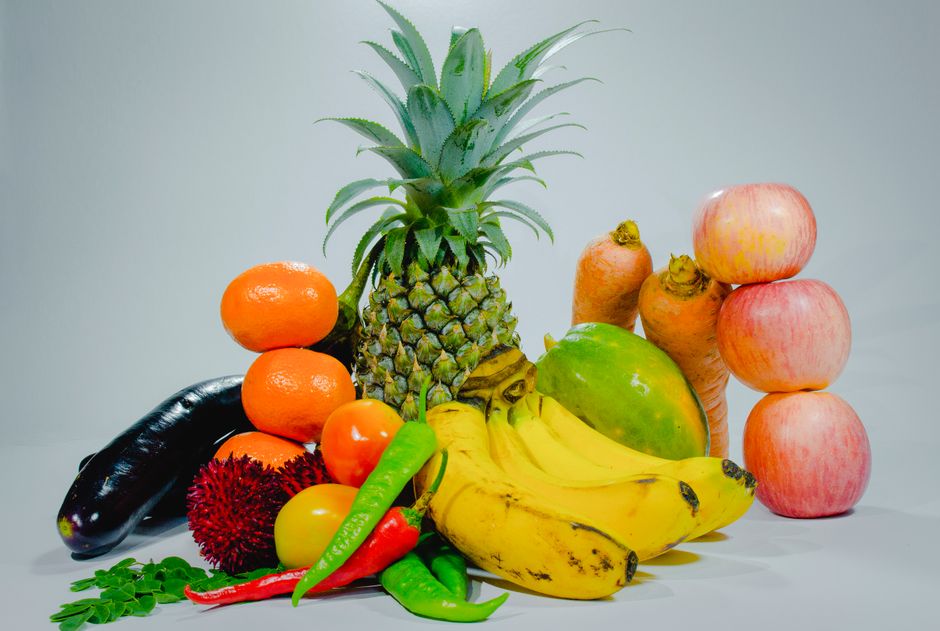
The researchers note that some fruits and vegetables are higher in flavanols than others. Including a handful of blackberries, a whole apple, or having a cup of green tea alongside a meal could make a real difference to how much of these beneficial compounds are actually consumed and absorbed from the diet. Michelle Routhenstein, a preventive cardiology dietitian, suggests choosing one or two flavanol-rich foods and making them a consistent part of the diet, such as adding berries to breakfast or drinking a daily cup of green or black tea.
This article was independently rewritten by ManyPress editorial AI from reporting originally published by Healthline.