How do hurricanes and typhoons form and is climate change making them stronger? Hurricane Melissa, which hit Jamaica in October 2025, was one of the strongest storms ever recorded The 2026 Atlantic hu
Key facts
- •Meanwhile the hurricane seasons in the central and eastern Pacific are likely to be above average, NOAA says.
- •That is largely because the emerging El Niño weather pattern - which is likely to strengthen over the coming months - tends to disrupt tropical storms in the Atlantic but supports them in the Pacific.
- •Climate change is not thought to increase the number of hurricanes, typhoons and cyclones worldwide.
- •But rising temperatures mean that those that do form have the potential to bring stronger winds and heavier rain - and scientists warn it only takes one strong storm to bring major impacts.
- •Hurricanes are powerful storms which develop in warm tropical ocean waters.
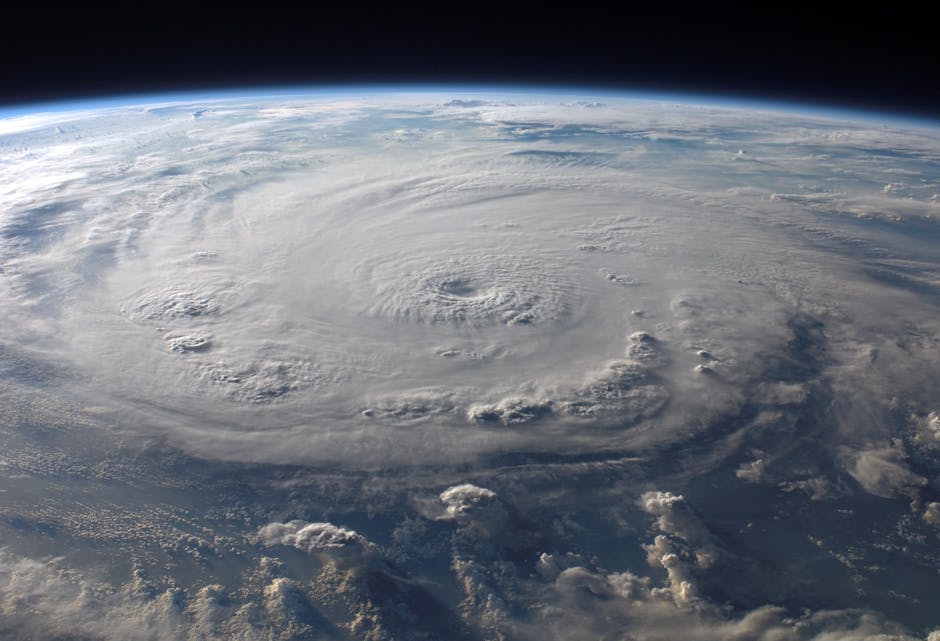
How do hurricanes and typhoons form and is climate change making them stronger? Hurricane Melissa, which hit Jamaica in October 2025, was one of the strongest storms ever recorded The 2026 Atlantic hurricane season is expected to be quieter than usual, according to the US science agency NOAA. It has forecast between three and six hurricanes between June and November - compared with the average of seven.
Meanwhile the hurricane seasons in the central and eastern Pacific are likely to be above average, NOAA says. That is largely because the emerging El Niño weather pattern - which is likely to strengthen over the coming months - tends to disrupt tropical storms in the Atlantic but supports them in the Pacific. Climate change is not thought to increase the number of hurricanes, typhoons and cyclones worldwide. But rising temperatures mean that those that do form have the potential to bring stronger winds and heavier rain - and scientists warn it only takes one strong storm to bring major impacts. Hurricanes are powerful storms which develop in warm tropical ocean waters. In some parts of the world, they are known as cyclones or typhoons. Collectively, these storms are referred to as "tropical cyclones". Tropical cyclones are characterised by very high wind speeds, heavy rainfall, and storm surges - short-term rises to sea-levels. This often causes widespread damage and flooding. Hurricanes can be categorised by their peak sustained wind speed. Major hurricanes are rated category three and above, meaning they reach at least 111mph (178km/h). Hurricanes, typhoons and cyclones begin as atmospheric disturbances - such as, for example, a tropical wave, an area of low pressure where thunderstorms and clouds develop.
This article was independently rewritten by ManyPress editorial AI from reporting originally published by BBC Science & Environment.