A peace deal in Iran may not immediately fix the energy crunch. Oil prices remain elevated, and experts predict a long recovery.
Key facts
- •Amin Nasser, CEO of Saudi Aramco, says market rebalancing could take months
- •Shipping firms need 30-45 days to regain confidence in the Gulf region
- •Repair costs for damaged energy infrastructure are estimated between $25 billion and $58 billion
- •Qatar's Ras Laffan complex was worst hit, with 17% of LNG capacity knocked out
- •Oil prices remain 30% above pre-war levels, pushing up global inflation
- •US oil stocks are set to hit low levels in the next few months, while China will need to resume imports soon
As the Iran war approaches 100 days, many believe a rapid reopening of the Strait of Hormuz will bring down energy prices. However, top oil executives and economists caution that peace will not instantly return energy markets to normal.
Recovery Timeline
Amin Nasser, CEO of Saudi Aramco, said that even if Hormuz reopened immediately, it would take months for the market to rebalance. If the closure was sustained for a few more weeks, normalization could last into 2027. Shipping firms must regain confidence to send crews back into the Gulf region, which could require an observation period of 30 to 45 days.
Infrastructure Damage
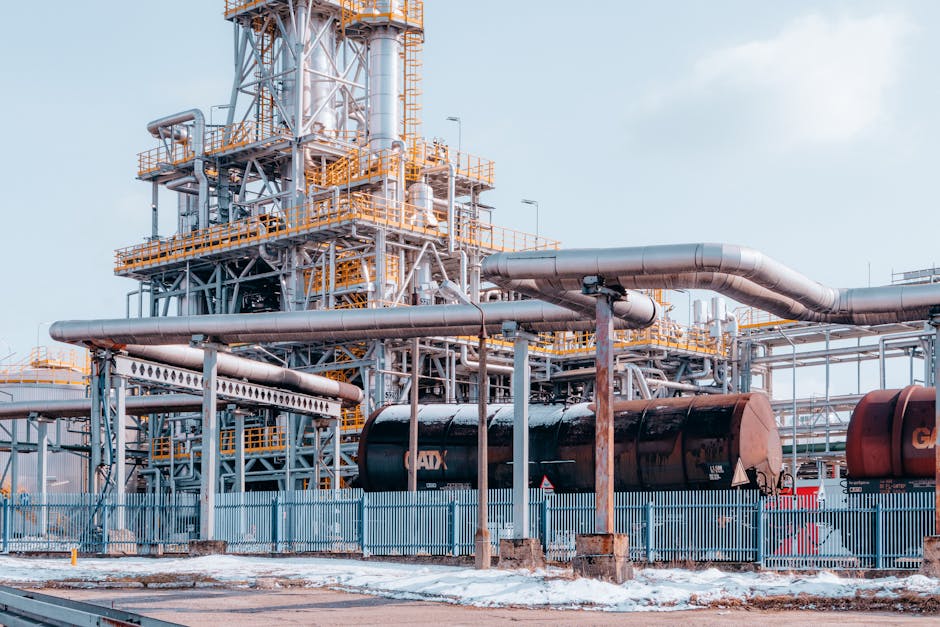
Physical damage to Gulf energy infrastructure will add another major delay. Dozens of oil fields, pipelines, refineries, and liquefied natural gas (LNG) plants have been hit, with repair costs estimated between $25 billion and $58 billion. Qatar's Ras Laffan complex was the worst hit, with Iranian strikes knocking out 17% of the country's LNG capacity.
Global Impact
Oil prices remain around 30% above pre-war levels, keeping gasoline, diesel, and fertilizer prices elevated. This has pushed up global inflation, disrupted supply chains, and raised food prices worldwide. The United States has hiked oil production to record volumes, while China has cut its crude imports by 3.5 million barrels per day.
Future Outlook
The head of the International Energy Agency, Fatih Birol, warned that the oil market could enter a 'red zone' in July or August due to depleting stocks. Experts predict that once oil stocks start to run dry, the only solution is higher prices, which could lead to a global recession.
This article was independently rewritten by ManyPress editorial AI from reporting originally published by Deutsche Welle Business.