
The African Continental Free Trade Area (AfCFTA) seeks to connect cotton growers and textile manufacturers across borders to build a competitive regional production network.
Key facts
- •The AfCFTA was signed in 2018 and trading under its rules formally began in January 2021.
- •By February 2025, 54 of the African Union’s 55 member states had signed the agreement, with 49 having ratified it.
- •Intra-African trade accounted for roughly 18% of the continent’s total trade in 2025.
- •The World Bank projects that full implementation could boost intra-African exports by more than 81% by 2035.
- •Experts emphasize that regional industrialization requires specialization rather than every country attempting to perform every production stage.
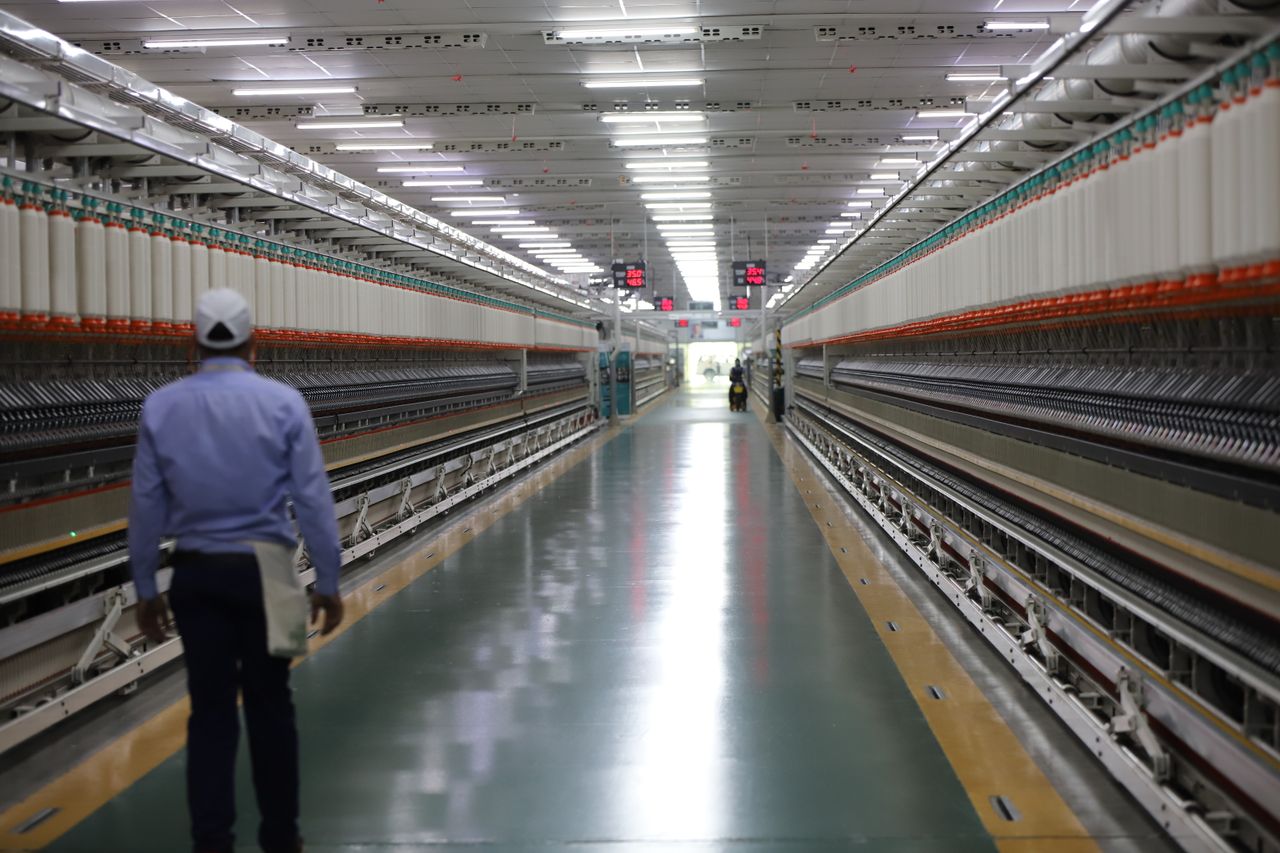
More than five years after trading began under the African Continental Free Trade Area (AfCFTA), the agreement faces a significant test in the textile industry. The goal is to link the continent’s cotton growers, spinners, weavers, and clothing manufacturers into a cohesive regional production network. By reducing trade barriers, the AfCFTA aims to help African businesses move inputs across borders to create jobs and retain more value within the continent.
By the numbers
Building a Regional Value Chain
The AfCFTA model envisions a system where countries specialize in different stages of production rather than attempting to master every step. For example, cotton grown in Benin could be processed into yarn in Côte d’Ivoire, woven in Ghana, and manufactured into clothing for sale across West Africa. Experts note that while the industry is shifting away from raw cotton exports toward regional processing, this transformation remains in its early stages.
Challenges to Implementation
Success depends on more than just tariff reductions; it requires addressing non-tariff barriers such as customs procedures, documentary requirements, and unpredictable transport costs. Rules of origin are particularly critical, as they determine how much production must occur within Africa for goods to qualify for preferential treatment. Additionally, manufacturers face infrastructure constraints, including the need for reliable electricity, industrial water, and access to trade finance.
Economic Potential and Outlook
Afreximbank reports that manufacturing accounted for only 34% of African exports in 2025, leaving many economies dependent on commodity exports. The World Bank estimates that full AfCFTA implementation could increase Africa’s real income by 7%, or approximately US$450 billion, by 2035. To realize these gains, stakeholders emphasize the need for collaboration between policymakers, investors, and retailers to ensure production aligns with actual market demand.
Timeline
- 2018The AfCFTA agreement was signed.
- 2019The AfCFTA entered into force.
- January 2021Trading under AfCFTA rules formally began.
- February 202549 of 55 African Union member states had ratified the agreement.
Advertisement
This article was independently rewritten by ManyPress editorial AI from reporting originally published by AllAfrica.

/file/attachments/2998/13838240_968395.jpg)

