Artificial intelligence is a central topic at New York Climate Week, as leaders debate whether the technology will help solve the climate crisis or exacerbate it through rising energy demands.
Key facts
- •Global climate-tech venture capital investment hit $26 billion in the first half of 2026.
- •Microsoft, Google, and Meta have all seen their greenhouse-gas emissions rise due to AI infrastructure energy demands.
- •UN climate chief Simon Stiell stated that tech companies must prove the benefits of AI outweigh its costs to maintain public support.
- •A recent UN Environment Program report indicates the world has nearly passed the point of keeping warming below 1.5 °C.
- •Startups in sectors like nuclear, geothermal, wind, and solar have signed power supply deals with major tech firms.
World leaders, policymakers, and climate advocates gathered in Manhattan for the UN General Assembly and New York Climate Week, where the impact of artificial intelligence on the climate has become a primary focus. While some view AI as a tool for scientific advancement, others are raising concerns about the environmental costs of the energy-intensive infrastructure required to support it.
By the numbers
Investment Trends and Funding Disparities
Venture capital investment in climate-tech reached $26 billion in the first half of 2026, marking a 55% increase over the previous year. However, this funding is distributed unevenly, with a significant portion directed toward products and services for data centers. Conversely, investment in carbon management and low-carbon fuels has seen a decline, raising concerns that critical climate solutions are being overlooked.
Rising Emissions and Energy Demands
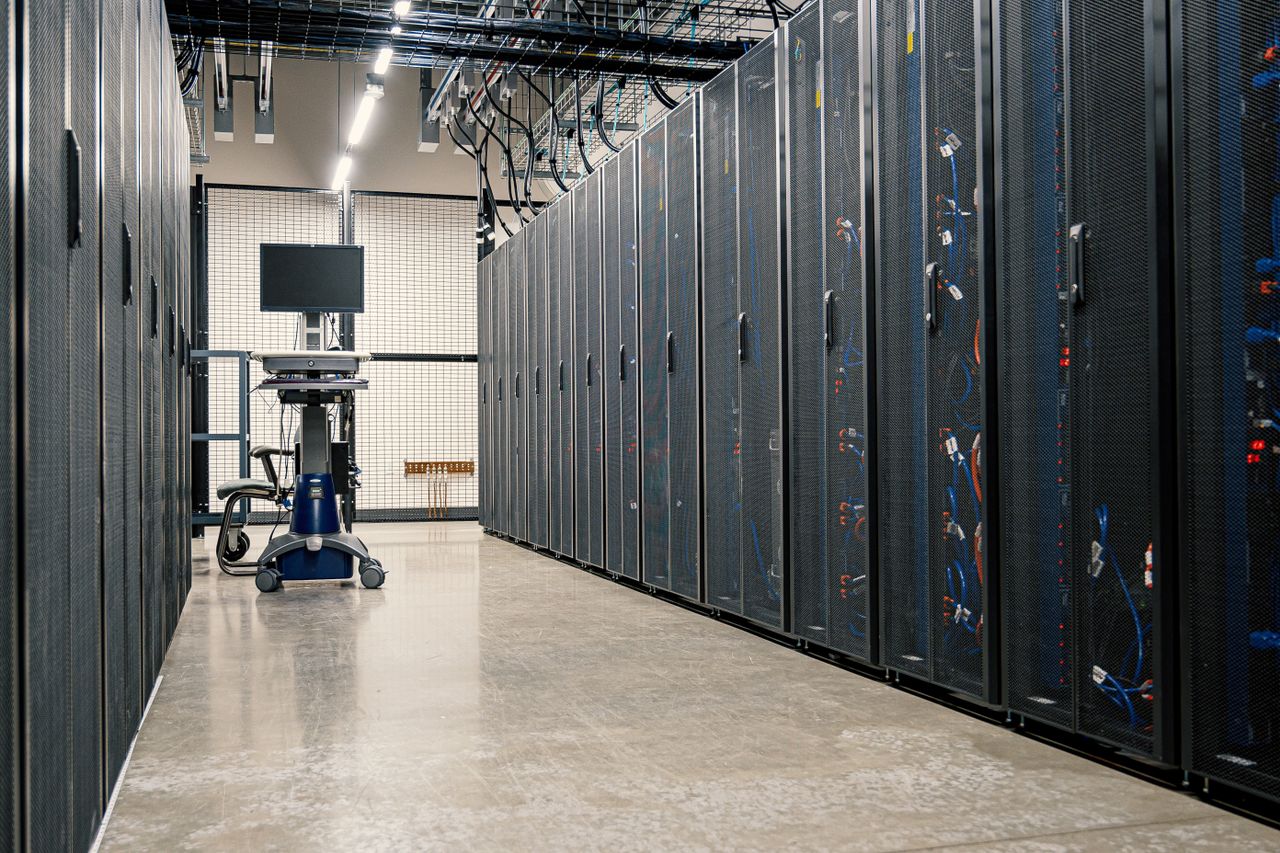
Major technology companies, including Microsoft, Google, and Meta, have reported an increase in greenhouse-gas emissions, a trend largely attributed to the energy requirements of AI infrastructure. To meet this demand, there has been a notable buildout of natural-gas power plants, which have long operational lifespans. While some experts, such as MIT’s Evelyn Wang, suggest that data centers may reach a point where they no longer contribute to planet-warming emissions within a decade, the immediate environmental impact remains a point of contention.
Public and Official Skepticism
Public opposition to data centers is increasing due to concerns regarding noise and pollution. UN climate chief Simon Stiell has publicly challenged technology leaders to demonstrate that the benefits of AI outweigh its environmental costs. UN Secretary-General António Guterres also addressed the issue, noting that while AI could assist in solving climate-related challenges, it also carries the risk of worsening the current crisis.
Advertisement
This article was independently rewritten by ManyPress editorial AI from reporting originally published by MIT Technology Review.