A composite image reveals the Sun's annual path, known as an analemma, photographed from the site of the ancient Callanish Stones in Scotland.
Key facts
- •The analemma was created from images taken every few days at noon in the Outer Hebrides.
- •The Callanish Stones were built around 2700 BC during the Bronze Age.
- •The figure-8 shape is caused by the tilt of the Earth's axis and the ellipticity of its orbit.
- •The Sun appears at the bottom of the analemma in this image due to its proximity to the December solstice.
- •An equinox, where day and night are equal globally, occurs two days after the date of this featured image.
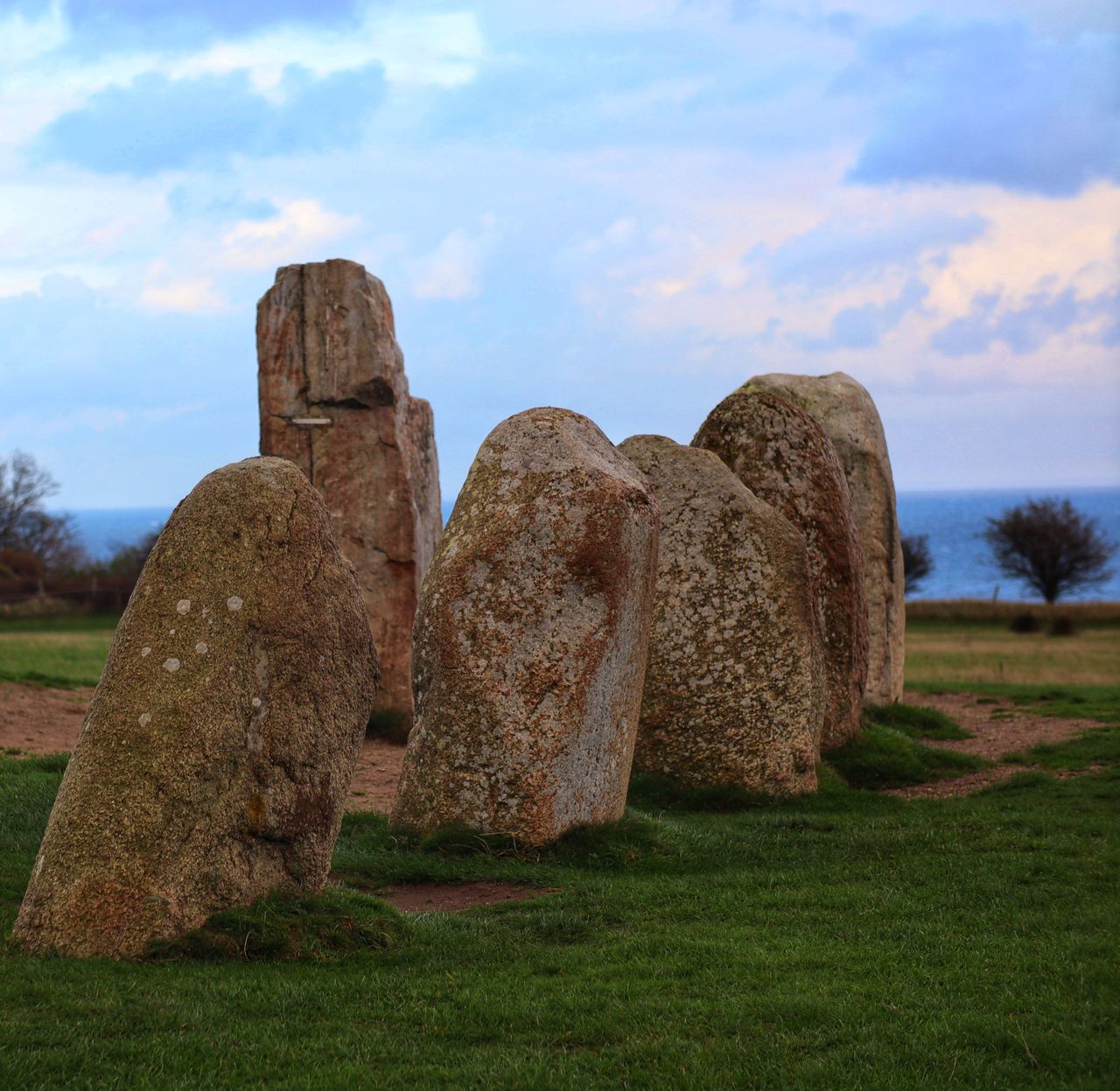
A new composite image, known as an analemma, illustrates the changing position of the Sun as observed from the same location at the same time over the course of a year. The images were captured at noon near the village of Callanish in the Outer Hebrides of Scotland. The foreground of the photograph features the Callanish Stones, an ancient stone circle dating back to approximately 2700 BC.
Understanding the Analemma
An analemma is a figure-8 shape created by the Earth's axial tilt and the ellipticity of its orbit around the Sun. In this specific composite, the Sun appears near the bottom because the images were taken near the December solstice. While the Sun reaches the top or bottom of the figure-8 at the solstices, the middle points of the analemma correspond to the equinoxes.
The Callanish Stones
The Callanish Stones were constructed during the Bronze Age. While the site is a significant historical landmark, it remains unknown whether the stones were originally placed with specific astronomical intent.
Advertisement
This article was independently rewritten by ManyPress editorial AI from reporting originally published by NASA Breaking News.