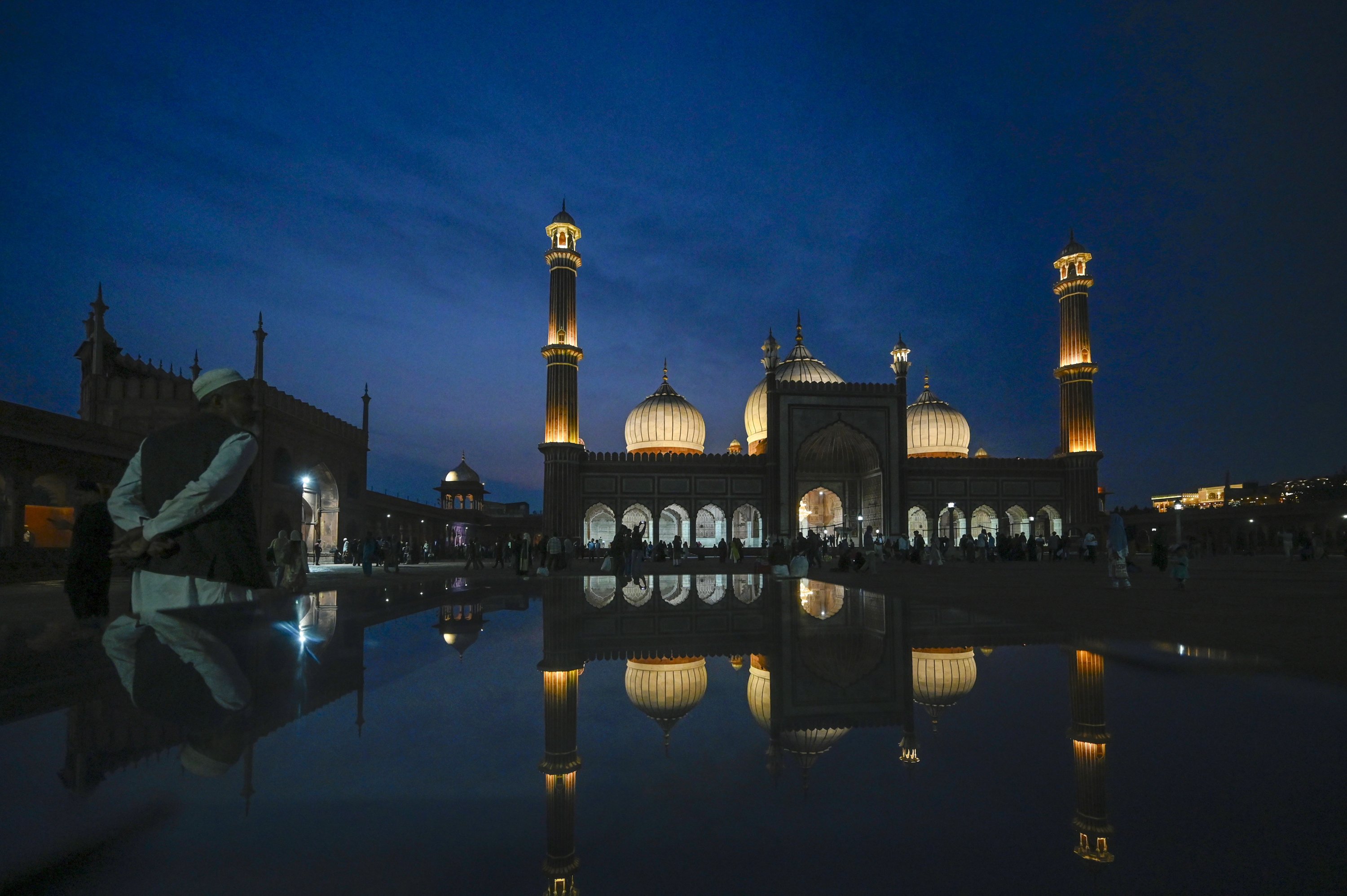
The Rashtriya Swayamsevak Sangh (RSS) aims to diminish the cultural and political influence of India's Muslim population while maintaining their demographic presence.
Key facts
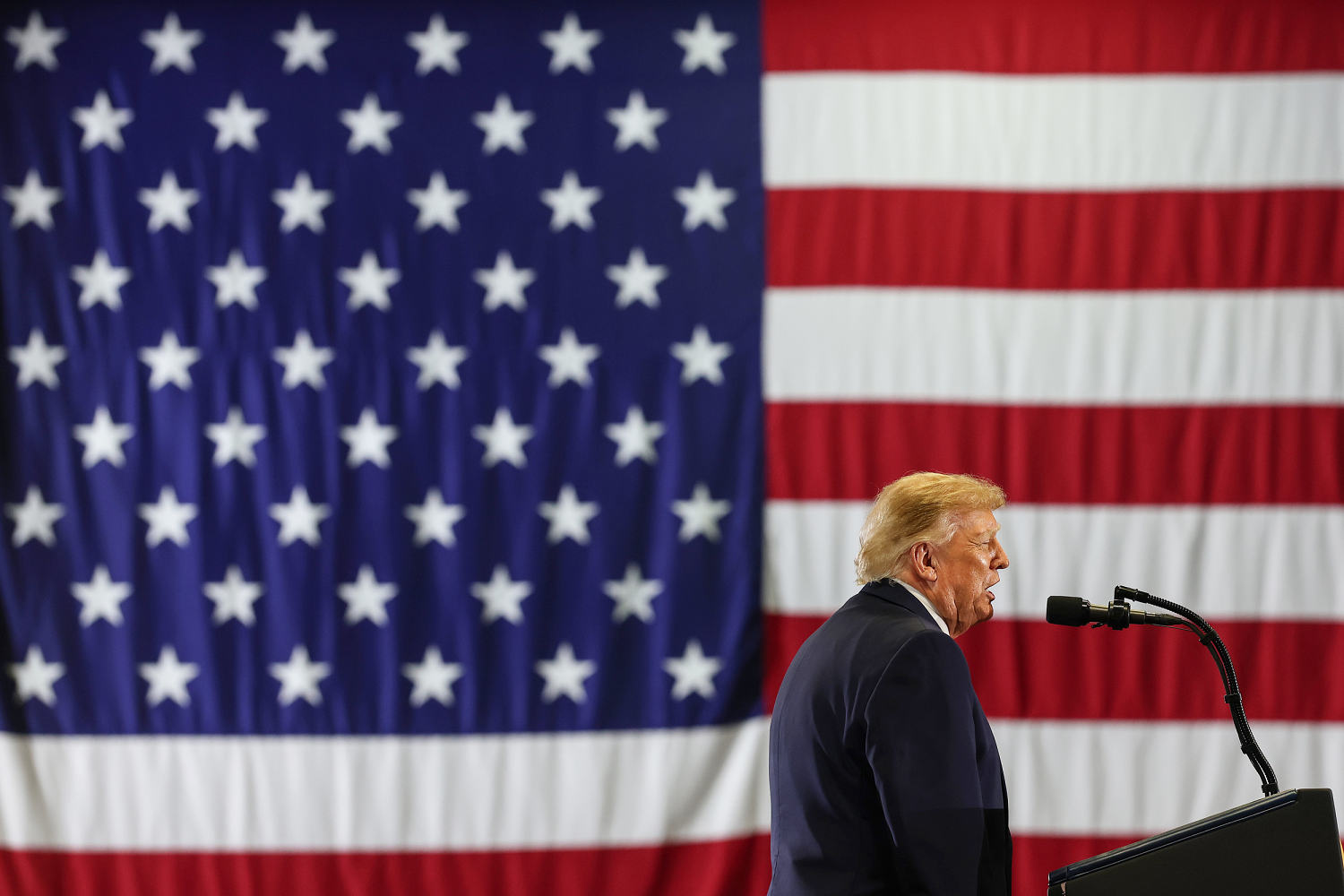
- •RSS chief Mohan Bhagwat stated on Aug. 29 in New York that a Hindu must believe in the dignity of all humans.
- •Muslims constitute more than 14% of India's population but hold only 4.4% of seats in the Lok Sabha.
- •The 2006 Sachar Committee reported that Muslims held 3% of elite administrative service positions.
- •The number of Muslim state assembly legislators has decreased from roughly 339 in 2013 to about 255 today.
- •School textbooks have been revised to reduce or remove material concerning the Delhi Sultanate and Mughal history.
RSS chief Mohan Bhagwat recently stated in New York that a Hindu must accept the dignity of all humans, including Muslims. However, critics argue this rhetoric contrasts with the organization's broader goal of Hindu homogenization. The strategy focuses on rendering India's 200 million Muslims politically and institutionally marginal while recasting the nation's historical identity.
By the numbers
Political and Institutional Representation
Muslim representation in India's political and bureaucratic spheres has seen a decline. While Muslims make up over 14% of the population, they hold only 24 of the 543 seats in the Lok Sabha, representing 4.4% of the body. No member of the governing National Democratic Alliance is Muslim, and there has been no Muslim Union minister since 2022. Additionally, the number of Muslim legislators in state assemblies has dropped from approximately 339 in 2013 to about 255 today. Economic and institutional marginalization is also documented. The 2006 Sachar Committee report found that Muslims held only 3% of elite administrative service positions, 4% of senior police roles, and 3.2% of federal security force positions. These figures reflect a long-standing trend of underrepresentation that has persisted for two decades.
Cultural and Historical Recasting
The RSS strategy involves diminishing the influence of 'Muslimness'—the historical, linguistic, and cultural traditions associated with nearly a millennium of Muslim presence in India. This is observed in the decline of the Urdu language, which has faced reduced educational and economic utility, and in the revision of school textbooks. Content regarding the Delhi Sultanate and Mughal periods has been reduced or removed, with historical narratives increasingly framing these eras as alien interruptions rather than integral parts of India's development. This trend extends to intellectual life. In Ahmedabad, activists associated with Hindu nationalist organizations recently pressured a school over the inclusion of books by Malala Yousafzai and Anne Frank. Such incidents suggest a narrowing of acceptable thought and a move toward a more uniform national identity.
Advertisement
This article was independently rewritten by ManyPress editorial AI from reporting originally published by Daily Sabah.