Meduza analyzed nearly half a million user reports and banking data to track the impact of recent refinery strikes on gasoline availability across Russia.
Key facts
- •The crisis reached its peak intensity between July 8 and July 11, 2026, following drone strikes on oil refineries.
- •Meduza's analysis incorporated 478,685 user reports and 3.9 million bank transaction records.
- •Daily gasoline and diesel sales on the St. Petersburg exchange dropped significantly in early July compared to the previous year.
- •In the Perm region, gasoline availability without a line dropped from 45–49% to 30–42% following a refinery attack on July 30.
- •India shipped at least 60,000 tons of gasoline to Russia to help mitigate the supply shortage.
A second wave of fuel shortages has gripped Russia following renewed Ukrainian drone strikes on oil refineries. Data from the tracking service GdeBENZ and banking records indicate that gasoline availability fluctuated significantly between July and August 2026, with many regions experiencing long lines and sales restrictions at gas stations.
By the numbers
Data Analysis and Verification
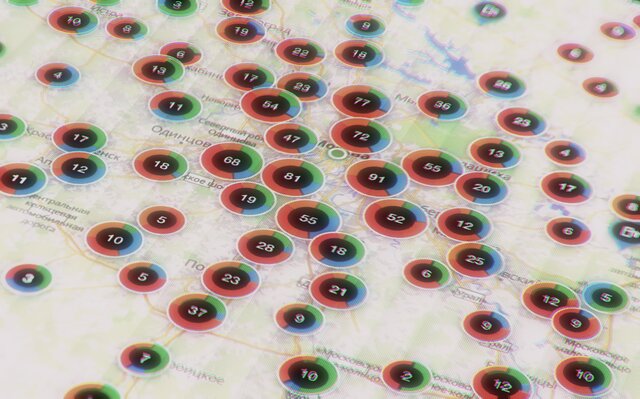
Meduza analyzed 478,685 user reports from 25,129 gas stations across 83 regions, collected between July 4 and August 23, 2026. To ensure accuracy, these reports were cross-referenced with 3.9 million transaction records from Sberbank, T-Bank, and Alfa-Bank. While some reports on the GdeBENZ platform are subject to potential manipulation, the correlation with bank-card purchase data suggests the service reliably tracks fuel availability trends.
The First Wave of the Crisis
The most severe period of the initial crisis occurred between July 8 and July 11, 2026. During this time, gasoline could be purchased without a line at only 17–29% of gas stations, while total availability including stations with lines stood at 56–64%. By July 11, 55% of stations with fuel reported lines, and many implemented sales caps, most commonly 30 liters per person.
Regional Impact and Recovery
The crisis affected regions unevenly, with some areas experiencing shortages despite not being home to targeted refineries. Regions such as Kirov, Karachay-Cherkessia, and Mordovia faced significant difficulties, often exacerbated by spikes in consumer demand as drivers rushed to stock up. By late July, the situation began to stabilize as authorities halted exports, increased imports, and some refineries resumed operations, leading to improved availability by August 1.
Timeline
- July 4–August 23Period covered by the GdeBENZ data analysis.
- July 8–11The hardest stretch of the first wave of the fuel crisis.
- July 30Drone strike occurred at the Perm oil refinery.
Advertisement
This article was independently rewritten by ManyPress editorial AI from reporting originally published by Meduza (English).