Protests over power cuts and economic hardship have erupted in Tunisia and Libya, while Chad withdraws from the ICC and Senegal sees a new political party launch.
Key facts
- •Libya experienced temperatures reaching 122 degrees Fahrenheit during recent protests.
- •The Organisation of Young Doctors in Tunisia reported between 150 and 200 deaths linked to power cuts since July 12.
- •Chinese Belt and Road investments in Africa reached $33.5 billion in the first half of 2026.
- •Chad's withdrawal from the ICC follows a request from U.S. Assistant Secretary of State Frank Garcia.
- •A South African court temporarily halted a parliamentary inquiry into the potential impeachment of President Cyril Ramaphosa.
Anti-government demonstrations broke out in Tunisia and Libya over the weekend, driven by severe heat waves and widespread power outages. Meanwhile, Chad has withdrawn from the International Criminal Court, and Senegalese President Bassirou Diomaye Faye has launched a new political party amid a power struggle with his prime minister.
By the numbers
Protests in Tunisia and Libya
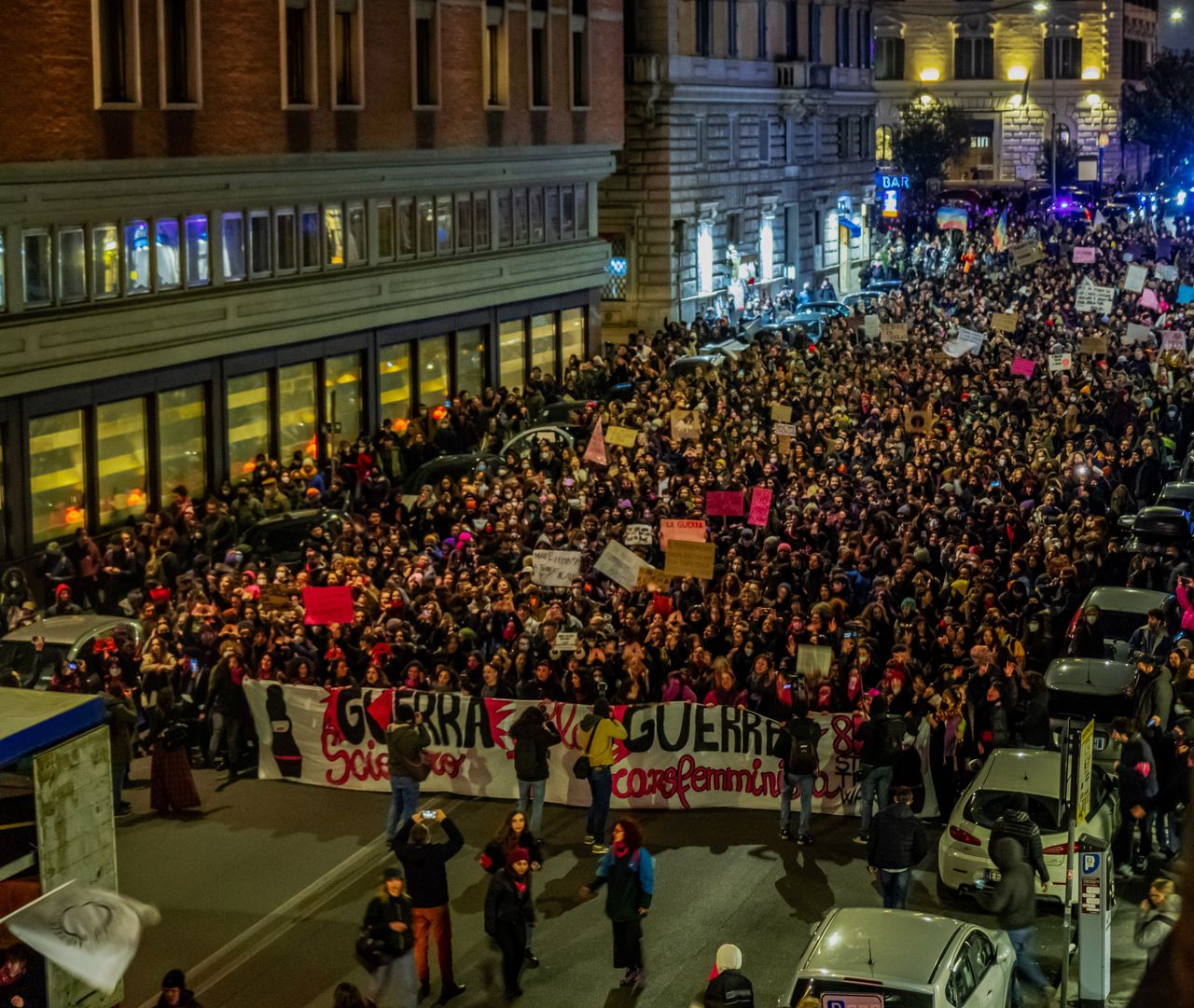
In Libya, demonstrators in Tripoli blocked roads and shut down central bank branches to protest 14-hour daily power cuts and rising oil prices. Protesters also briefly forced the Mellitah Oil and Gas complex to suspend operations. In Tunisia, thousands gathered in Tunis to mark five years since President Kais Saied suspended parliament. Demonstrators demanded Saied's resignation and the release of political prisoners, citing unbearable conditions in detention centers during the extreme heat.
Chad Withdraws from ICC
Chad became the latest African nation to withdraw from the International Criminal Court, following a call from U.S. officials. The Chadian foreign ministry stated the decision was influenced by concerns regarding the court's focus on African nations. The move follows similar withdrawals by Burkina Faso, Mali, and Niger.
Political Developments in Senegal
Senegalese President Bassirou Diomaye Faye launched the Republican Patriots party following a public rift with Prime Minister Ousmane Sonko. The two have clashed over debt negotiations with the International Monetary Fund. Despite Faye dismissing Sonko in May, Sonko remains president of the National Assembly, where his party holds a majority.
Advertisement
This article was independently rewritten by ManyPress editorial AI from reporting originally published by Foreign Policy.