Political scientist Anton Jager defines 'hyperpolitics' as a trend of high political engagement paired with a decline in membership for traditional institutions like parties and unions.
Key facts
- •Hyperpolitics is defined as a state of high political involvement but low institutional density.
- •Voter turnout in Saxony, Germany, rose from 44 percent in 2006 to over 80 percent in a recent election.
- •The 2020 Black Lives Matter protests involved an estimated one out of 10 American adults.
- •Jager argues that the right has better access to private funding for hyperpolitical mobilizations than the left.
- •The Greek Syriza party won a 2015 referendum against austerity but was unable to reverse the policies.
Political scientist Anton Jager describes a modern phenomenon called "hyperpolitics," characterized by increased political activity—such as protests and voter turnout—alongside a decline in membership for political parties, unions, and civil society organizations. Jager argues this trend, which emerged following the 2008 financial crisis, differs from 20th-century mass politics and the "post-politics" era of the 1990s and 2000s.
By the numbers
Defining the Hyperpolitical Paradox
Jager defines hyperpolitics as "re-politicization without re-institutionalization." While citizens are increasingly active, this engagement often fails to translate into concrete policy changes or shifts in power structures. For example, despite high polling support for public healthcare in the United States, there is a negative correlation between those public preferences and the likelihood of such policies being implemented.
Examples of Hyperpolitical Movements
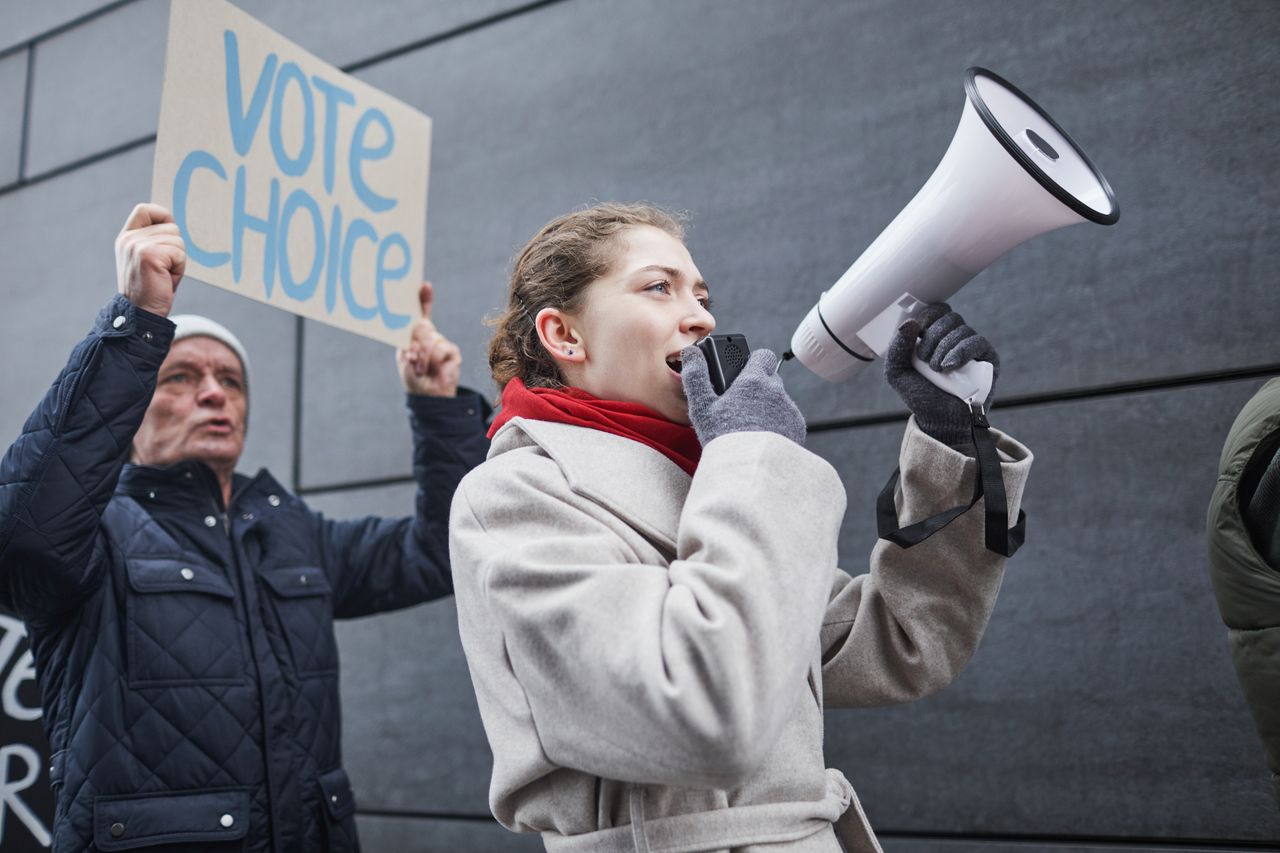
Movements cited as examples of hyperpolitics include the 2020 Black Lives Matter protests in the U.S., the "yellow vest" protests in France between 2018 and 2020, and the January 6, 2021, riot at the U.S. Capitol. Jager notes that these movements often lack official leadership or long-term institutional affiliation, leading to rapid dispersal after initial mobilization.
Asymmetry Between Left and Right
Jager observes an asymmetry in the success of hyperpolitical movements, noting that the right has often been more effective than the left. He attributes this to two factors: the right's greater access to private funding and the fact that the left's goals often involve reversing deeply entrenched power relations, which Jager describes as a steeper climb.
Timeline
- 1989The Berlin Wall fell, leading to the 'post-politics' era of the 1990s and 2000s.
- 2008The credit crash occurred, preceding the emergence of hyperpolitics in the 2010s.
- 2015The Greek Syriza party won an anti-austerity referendum but failed to implement the results.
- 2018-2020The 'yellow vest' protests took place in France.
- Summer 2020Black Lives Matter protests occurred in the United States.
Advertisement
This article was independently rewritten by ManyPress editorial AI from reporting originally published by Foreign Policy.