New research explores the history of 'thralls,' the enslaved people of the Viking Age, detailing their forced labor and roles in funerary rituals.
Key facts
- •The Norse term for enslaved people was 'þrælar,' translated as 'thralls.'
- •Persian official Ibn Miskawayh documented Vikings raping and enslaving women and boys during a 943 attack on Bardha'a.
- •Enslaved people were often traded at centers similarly to cattle.
- •The Ballateare burial mound on the Isle of Man was approximately 3 meters high and 22 meters in diameter.
- •The woman found at the Ballateare site likely died while kneeling, according to archaeological analysis.
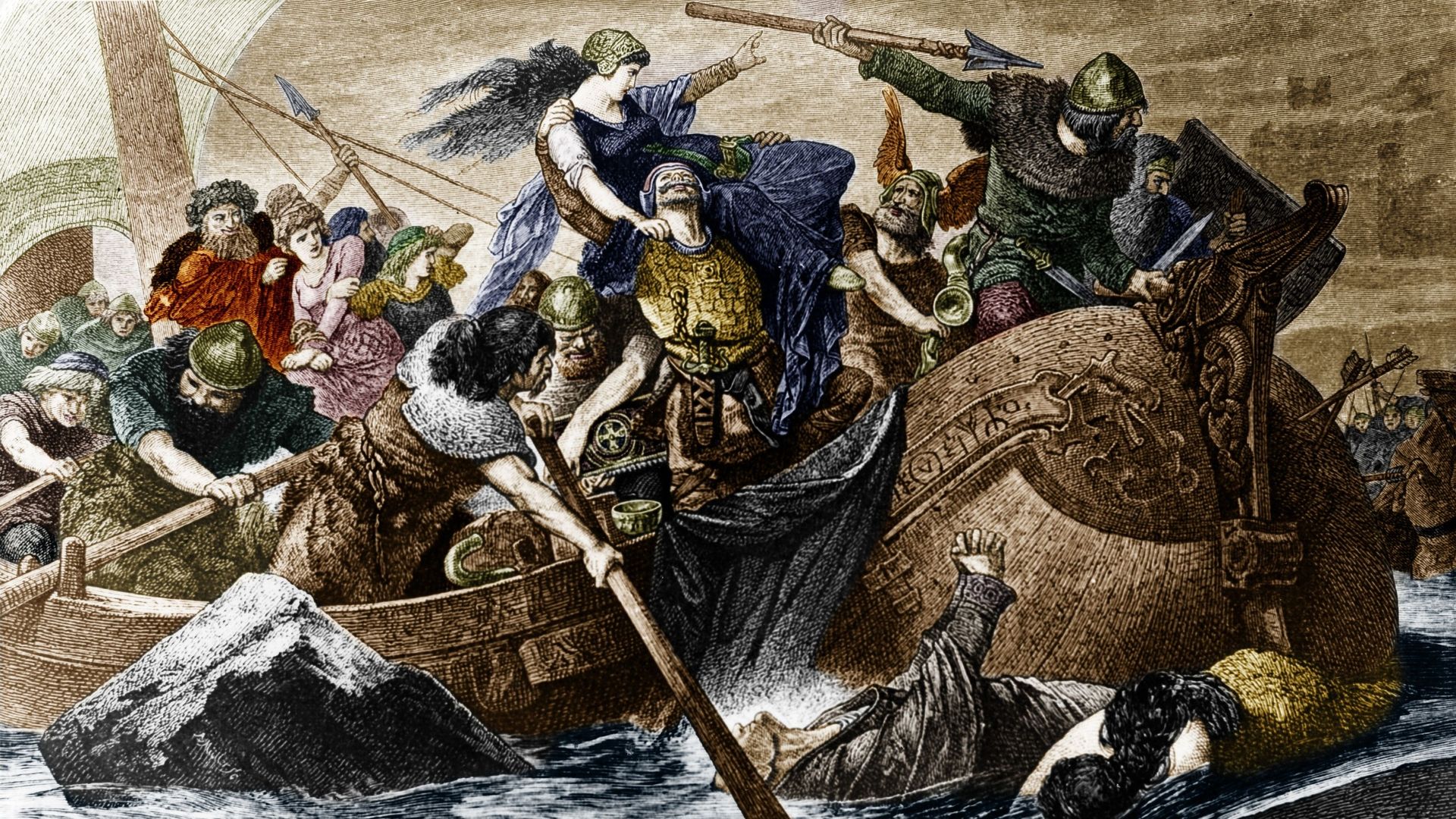
Archaeologist Neil Price examines the history of 'thralls,' the enslaved people of the Viking Age, in his book 'The Sea-King and the Sorceress.' The work highlights how slavery was an integrated economic system in Norse society, fueled by raids and trade. Archaeological findings, including a burial site on the Isle of Man, provide evidence of the inhumane treatment and exploitation of these individuals.
By the numbers
The Reality of Thraldom
Norse slavery, or thraldom, involved the loss of liberty and rights, with enslaved people serving as commodities in Viking trade networks. Thralls were forced to perform manual labor, such as digging peat, tending to livestock, and working in fields. While most endured lives of drudgery, some rare individuals managed estate tasks under the title of 'bryti.' The derogatory names given to thralls, such as 'Badbreath' or 'Stumpy,' reflected the social status and dehumanization they faced.
Raiding and Economic Expansion
The Viking economy relied heavily on the capture and sale of enslaved people, particularly during the ninth century as raids escalated in Western Europe and the east. Captives were often targeted for sex trafficking or sold along Silk Road routes to the Arab world. This system created a cycle where economic expansion and the need for labor in industries like shipbuilding drove further raids, which in turn provided more enslaved workers.
Funerary Rituals and Evidence
Archaeological evidence of thralls is difficult to identify because they were rarely buried with distinct items or accorded conventional graves. However, excavations at Ballateare on the Isle of Man revealed a high-status burial from the early tenth century. Beside the grave of a man, archaeologists found the body of a woman aged twenty to thirty who had been killed by a single blow to the head. Her body was covered with a thick layer of cremated animal remains, including oxen, horses, sheep, and dogs.
Advertisement
This article was independently rewritten by ManyPress editorial AI from reporting originally published by Live Science.