Toxic waste from unregulated gold mining is destroying farmland, contaminating water, and causing severe health issues in the town of Abu Hamad.

Key facts
- •Artisanal gold mining in Abu Hamad has resulted in over 700 mounds of toxic waste.
- •Wheat yields in the region have declined by more than 60% compared to historical averages.
- •A 2022 analysis found that 20% of drinking water samples in the area contained mercury.
- •The mining sector generated approximately $1.8 billion in revenue in 2023.
- •School attendance has dropped significantly as students leave education for mining work.
Artisanal gold mining has decimated the agricultural foundation of Abu Hamad in Sudan's River Nile state. The industry, which has intensified over the past six years, has left behind hundreds of toxic mounds of waste that are poisoning the local soil, water, and air. This environmental degradation has led to a sharp decline in food production and a growing public health emergency.
By the numbers
Agricultural and Economic Collapse
Farmers in Abu Hamad report that crop yields have plummeted due to soil salinity and pollution caused by mining runoff. Wheat production has dropped from 40-60 sacks per acre to 12-18 sacks, while fava bean yields have fallen from 40-50 sacks per feddan to just three or four. Orange groves are similarly affected, with fruit arriving misshapen and production levels significantly reduced. Economic pressures have also led many young people to abandon their education for high-risk mining work. School enrollment has dropped sharply, with some primary classes shrinking from 75 pupils to 20, as students prioritize the potential for immediate income over long-term professional development.
Public Health and Environmental Risks
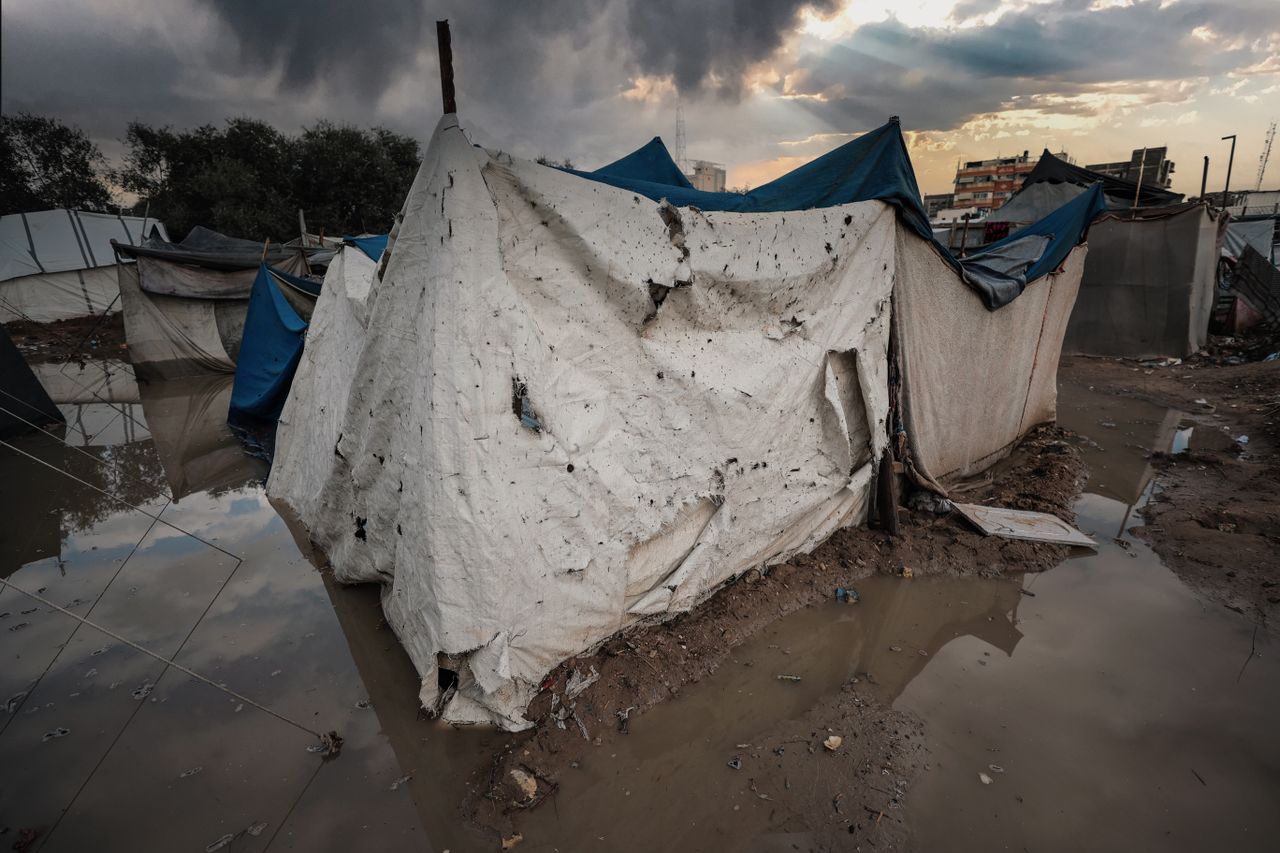
The use of chemicals such as mercury, cyanide, and thiourea in gold processing has created a public health crisis. Medical records indicate a rise in miscarriages and congenital abnormalities, with approximately one in 50 children born with serious conditions. Local livestock are also suffering, with reports of animals born with physical deformities or exhibiting erratic behavior. The town's dialysis center is currently serving nearly 100 patients, exceeding its capacity due to a rise in kidney failure cases. Environmental activists warn that during the rainy season, flood waters frequently wash mining waste into residential areas, further spreading the contamination.
War and Regulatory Challenges
The gold sector has become a critical source of revenue for both the Sudanese Armed Forces (SAF) and the Rapid Support Forces (RSF) during the ongoing conflict. In 2024, artisanal operations accounted for over 90% of Sudan's gold production. While the government has issued directives to remove processing mills from residential areas and restrict the use of hazardous chemicals, local residents and activists describe these efforts as insufficient to address the scale of the crisis.
Advertisement
This article was independently rewritten by ManyPress editorial AI from reporting originally published by The Guardian Global Development.