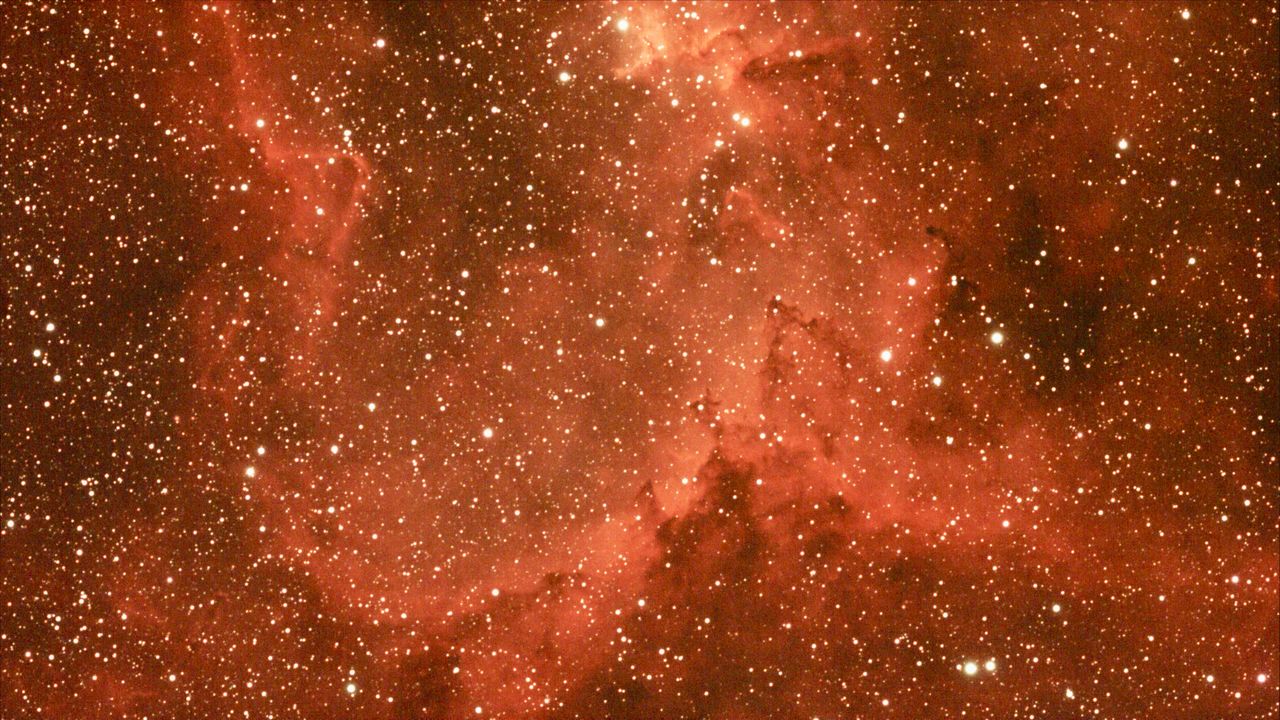
A new image of Nebula Pa 30, captured by the Gemini North Telescope, provides insight into a supernova remnant linked to a historical 'guest star' from 1181.
Key facts
- •The nebula was observed using the Gemini North Telescope located in Hawai’i.
- •Historical records of the supernova date back 845 years to 1181.
- •The explosion is classified as a Type Iax supernova, likely caused by the merger of two white dwarfs.
- •The central star of the nebula produces a strong wind that may form its radial filaments.
- •The pearl-like knots found along the filaments are 4 light-days in diameter.
Nebula Pa 30 has been captured in a new image by the Gemini North Telescope in Hawai’i. Astronomers believe the nebula is the remnant of a Type Iax supernova, potentially linked to a 'guest star' recorded by Chinese, Japanese, and Arabic astronomers in 1181.
By the numbers
Historical and Scientific Context
Historical records indicate that the 'guest star' remained visible in the sky for 185 days in the year 1181. Modern researchers classify the resulting explosion as a Type Iax supernova, which is thought to have been caused by the merger of two white dwarfs.
Nebula Characteristics
The nebula features a central star that is extremely hot and generates a strong wind, which may be responsible for forming the nebula's radial filaments. These filaments contain pearl-like knots that measure 4 light-days in diameter.
Advertisement
This article was independently rewritten by ManyPress editorial AI from reporting originally published by NASA Breaking News.