Researchers found that favorite music triggers stronger brain activity than neutral music in patients with Alzheimer's disease and frontotemporal dementia.
Key facts
- •The study compared brain responses in healthy participants, Alzheimer's patients, and those with frontotemporal dementia (FTD).
- •Researchers used a specialized fMRI protocol that alternated between scanning and music playback to overcome scanner noise.
- •Patients with FTD exhibited less activity in the supplementary motor area compared to healthy participants.
- •The study highlights that personally meaningful music is more effective at triggering brain responses than neutral music.
- •The research was conducted by teams at Alzheimer Center Amsterdam and the Netherlands Institute for Neuroscience.
Researchers from Alzheimer Center Amsterdam and the Netherlands Institute for Neuroscience have mapped how the brain responds to personally meaningful music in patients with dementia. The study, published in Brain Communications, found that favorite music evokes a stronger brain response than neutral music in both Alzheimer's disease and frontotemporal dementia (FTD) patients. This response remains detectable even as these disorders cause damage to brain cells.
Methodology and Brain Imaging
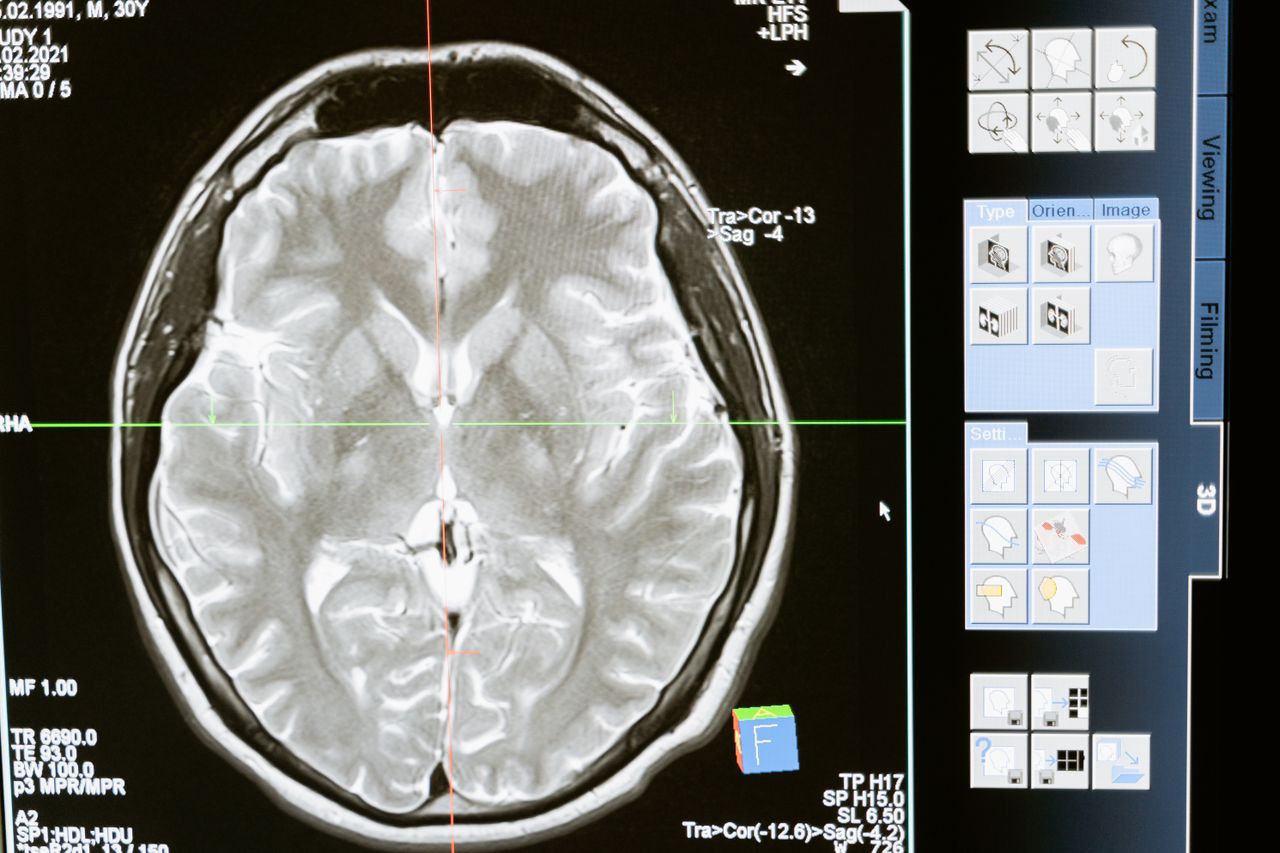
To measure brain activity, researchers used functional magnetic resonance imaging (fMRI) while participants listened to music they personally selected. Because MRI scanners produce significant noise that interferes with auditory processing, the team developed a specific protocol. This method involved alternating between brief brain imaging and short pauses where the music was played, allowing the team to map brain responses in a controlled rhythm.
Differences Between Dementia Types
While favorite music consistently triggered more activity than neutral music across all groups, the study identified distinct differences between the two types of dementia. Patients with FTD showed reduced activity in the supplementary motor area (SMA), a region associated with movement, memory, and musical processing. In contrast, the brain response observed in Alzheimer's patients was more similar to that of healthy participants.
Implications for Music Therapy
The findings suggest that music therapy may be a valuable nonpharmacological intervention for improving well-being or managing symptoms in dementia patients. By understanding why brain responses to music vary, researchers hope to explain why music-based interventions are more effective for some individuals than others. This insight could eventually assist caregivers in tailoring therapy to the specific needs of patients.
Advertisement
This article was independently rewritten by ManyPress editorial AI from reporting originally published by Medical Xpress.