China's nuclear power industry is expected to continue its rapid growth despite global climate challenges, as its coastal plant locations offer protection against heat-related disruptions.
Key facts
- •European nuclear reactors are facing shutdowns due to low river levels and high water temperatures.
- •France reported a nuclear capacity shortfall of over 20 percent due to extreme weather and jellyfish.
- •Most Chinese nuclear plants are built along the coast to utilize seawater for cooling.
- •Francois Morin of the World Nuclear Association stated that seawater cooling protects Chinese reactors from drought-related risks.
- •China's familiarity with typhoon patterns mitigates the perceived threat of storms to its nuclear infrastructure.
China's nuclear power sector is unlikely to face the same climate-related disruptions currently affecting reactors in Europe. While extreme heat and drought have forced shutdowns across European facilities, an industry specialist suggests that China's strategic infrastructure choices insulate its nuclear program from similar risks.
By the numbers
European Nuclear Disruptions
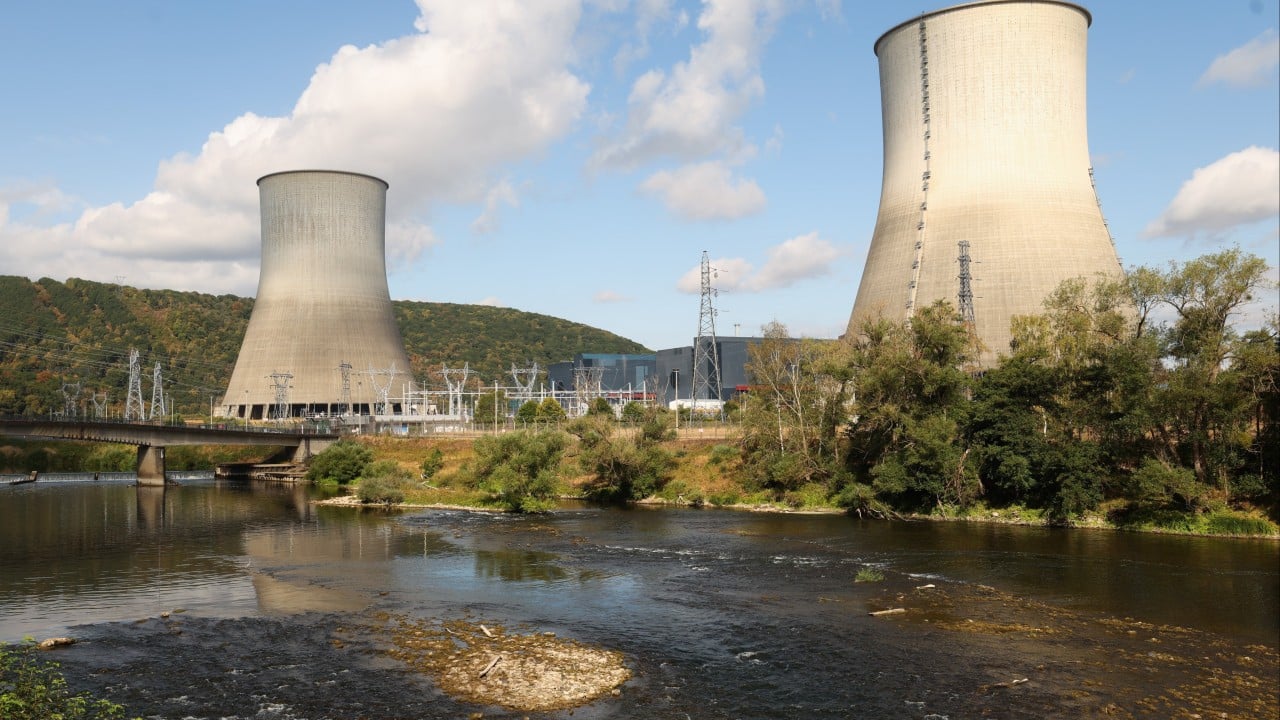
Unusually hot and dry summer conditions have forced nuclear units to shut down across Europe, including in France and Romania. Falling river levels and rising water temperatures have hindered the cooling processes required for reactor operations. In France, where nuclear energy provides approximately 70 percent of electricity, the country experienced a capacity shortfall exceeding 20 percent. These outages were attributed to drought, extreme heat, and an influx of jellyfish, according to an August 11 report by Le Monde.
China's Coastal Advantage
Unlike European reactors, which are primarily situated along rivers, China has constructed its nuclear power plants along the coast. According to Francois Morin, China director of the World Nuclear Association, utilizing open seawater for cooling makes these facilities significantly less vulnerable to the droughts and heatwaves currently impacting inland plants. While coastal regions are susceptible to storms and rising sea levels, Morin noted that China possesses a strong understanding of typhoons. Consequently, these weather events are not considered a serious threat to the operational stability of the nation's nuclear reactors.
Advertisement
This article was independently rewritten by ManyPress editorial AI from reporting originally published by South China Morning Post.