Research indicates that China's mineral-abundant regions have faced the highest number of senior official dismissals during the country's decade-long anti-corruption campaign.
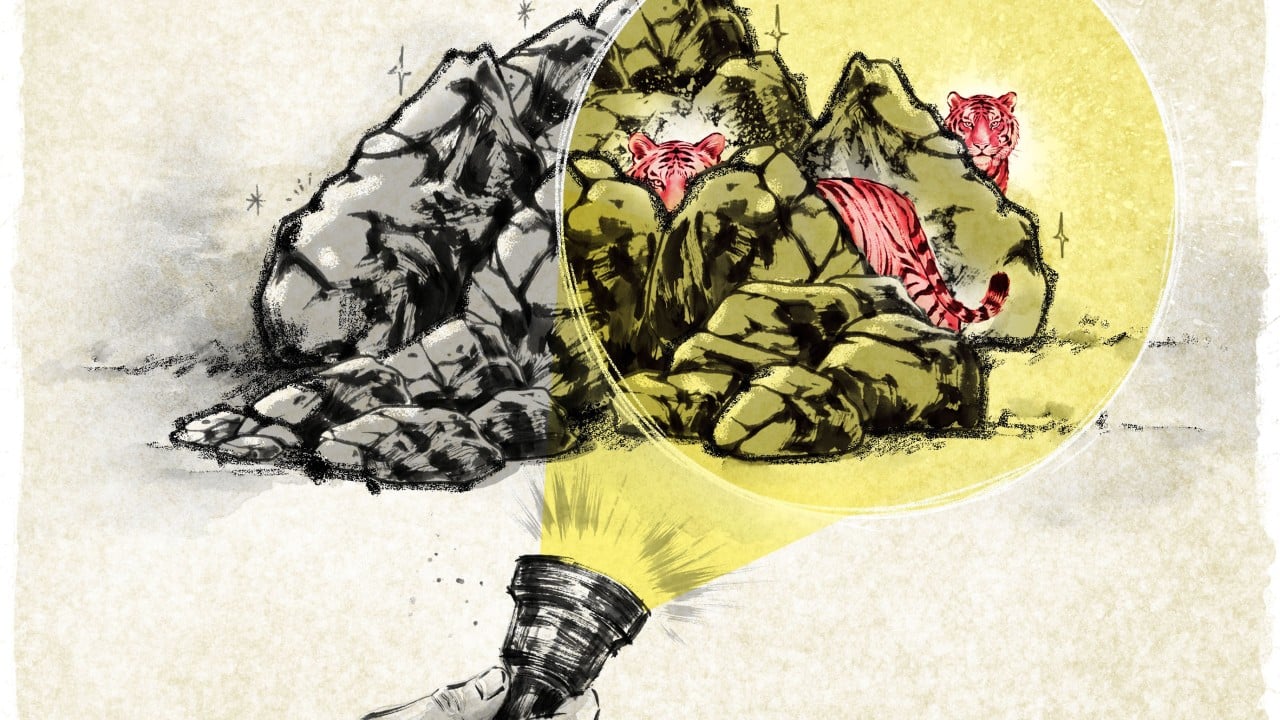
Key facts
- •The South China Morning Post analyzed CCDI detention notices and investigation conclusions from 2013 to 2025.
- •Regions identified as having the most senior officials sacked include Jiangxi, Liaoning, Inner Mongolia, Shanxi, and Hebei.
- •The campaign aims to prevent regional 'resource curses' in areas rich in coal and critical minerals.
- •The study examined the career paths of high-ranking officials, known as 'tigers,' throughout the crackdown.
A data project by the South China Morning Post has identified a correlation between resource-rich regions and high levels of corruption among senior officials. The study analyzed investigation data from China’s Central Commission for Discipline Inspection between 2013 and 2025. Findings suggest that Beijing is targeting these areas to mitigate the risks of a regional 'resource curse' as it pursues a nationwide anti-graft crackdown.
Regional Corruption Trends
The research focused on the career paths and investigation outcomes of high-ranking officials, referred to as 'tigers,' within the Chinese political system. Data shows that regions with significant mineral deposits, including Jiangxi, Liaoning, Inner Mongolia, Shanxi, and Hebei, recorded the highest number of senior officials dismissed for corruption during the 12-year period.
Economic Significance of Resources
These regions contain essential natural resources ranging from coal, which serves as a primary fuel for the national economy, to critical minerals required for advanced industrial machinery and military technology. Despite their economic importance, these areas have emerged as focal points for the government's efforts to address deep-seated corruption.
Advertisement
This article was independently rewritten by ManyPress editorial AI from reporting originally published by South China Morning Post.