
Researchers simulated maritime stand-offs to assess the likelihood of Chinese coastguard vessels using lethal weapons in disputed waters.
Key facts
- •Researchers published findings this month from a computer simulation of maritime stand-offs.
- •The war game modeled scenarios where small vessels circle a Chinese coastguard ship.
- •Under existing command rules, the simulated coastguard used lethal weapons 0.3 percent of the time.
- •The research team developed an AI framework to better predict the intentions of nearby vessels.
- •The AI system is designed to distinguish between routine fishing activities and coordinated harassment.
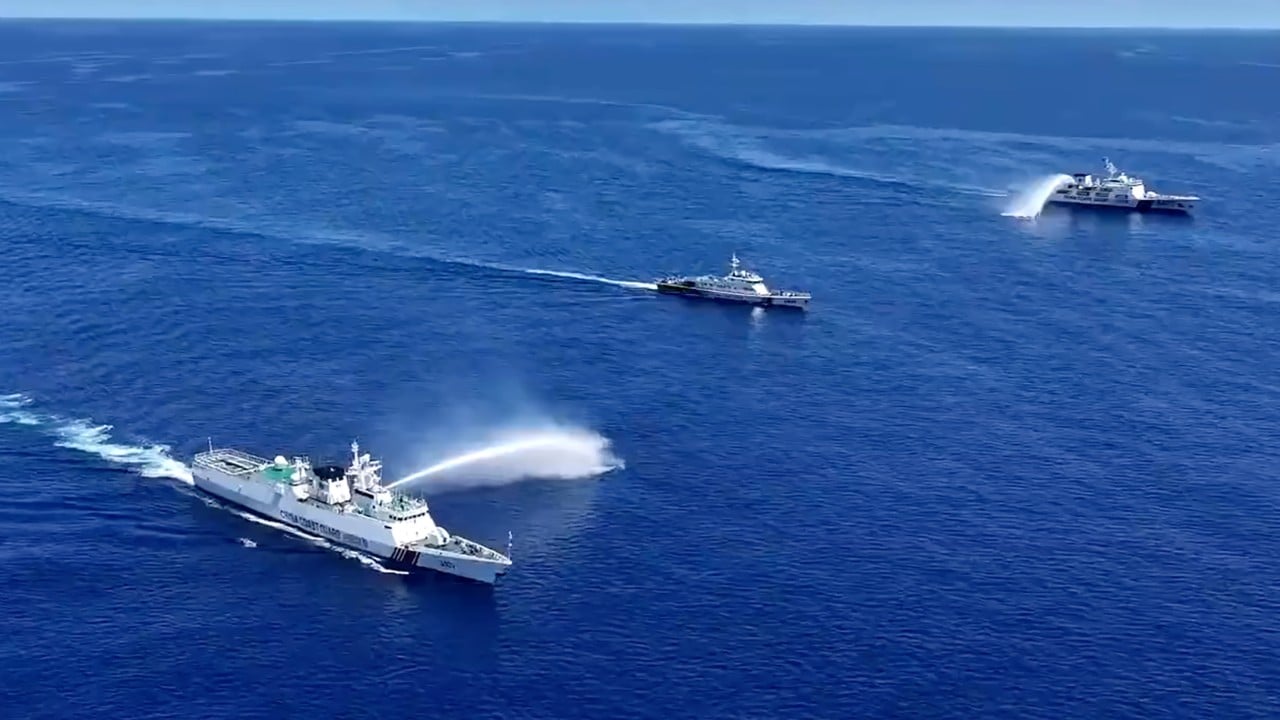
Chinese coastguard researchers have conducted a computer war game to analyze how patrol ships respond to tense maritime encounters. The simulation, which modeled scenarios involving fishing boats circling patrol vessels, found that the coastguard would resort to lethal weapons in only 0.3 percent of cases under current command protocols.
Developing AI for Maritime Risk
While the 0.3 percent probability is considered low, Beijing views any risk of escalation in sensitive, disputed waters as problematic. To address this, the research team developed an artificial intelligence framework designed to interpret the intentions of other vessels. Instead of categorizing targets as strictly hostile or harmless, the AI continuously calculates the probability of various behaviors, ranging from routine fishing to coordinated harassment. The system then adjusts the coastguard's response based on these ongoing assessments.
Advertisement
This article was independently rewritten by ManyPress editorial AI from reporting originally published by South China Morning Post.

/file/attachments/2998/13838240_968395.jpg)

