U.S. military actions against Iran have resulted in the closure of the Strait of Hormuz, impacting global trade and shifting control of vital waterways.

Key facts
- •The conflict with Iran has cost tens of billions of dollars in addition to military and civilian casualties.
- •The IRGC controls Iran's ballistic missiles and acts as a significant economic entity within the country.
- •Historical precedents for waterway control include the Danish collection of sound tolls in the Oresund and Ottoman control of the Turkish Straits.
- •The U.S. has conducted military operations in 2026 in Iran, Somalia, the Caribbean, the Pacific, Iraq, Syria, Nigeria, and Venezuela.
- •The Houthis in Yemen are currently attempting to contest the Bab el-Mandeb passage.
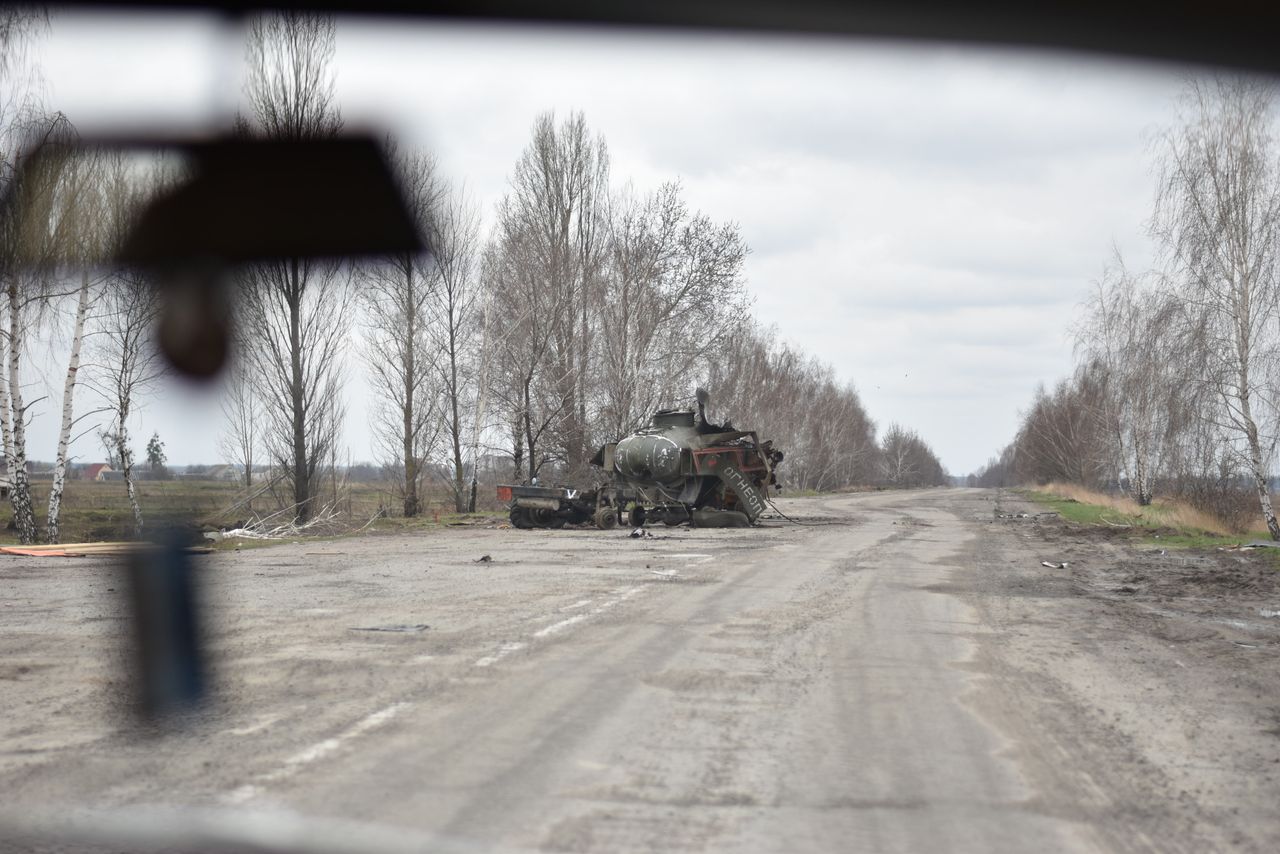
U.S. President Donald Trump’s military actions against Iran have resulted in the deaths of 18 U.S. service members and an undisclosed number of Iranian personnel. The conflict has also closed the Strait of Hormuz to international shipping. These developments have raised concerns about the stability of global maritime trade routes.
By the numbers
Economic and Strategic Impact
Approximately 90 percent of traded goods are transported by sea. The closure of the Strait of Hormuz has disrupted this flow, mirroring historical conflicts over naval choke points. The situation has drawn comparisons to the control of the Dardanelles and the Oresund Sound, where historical powers used geographic dominance to extract revenue and influence international decision-making.
Consolidation of Power in Iran
The conflict has allowed the Islamic Revolutionary Guard Corps (IRGC) to consolidate power within Iran. The IRGC, which already controls the nation's ballistic missiles and operates as a large economic cartel, is positioned to gain independent revenue from the control of the Strait. This could further empower the IRGC to fund war efforts and support proxies, potentially shifting Iran toward an IRGC-led junta.
Erosion of Global Maritime Order
The current conflict represents a departure from the 19th and 20th-century framework where the British Empire and later the United States enforced the neutrality of global waterways. The 1982 United Nations Convention on the Law of the Sea was designed to protect 'innocent passage' through narrow waterways. However, the current U.S. approach has challenged this structure, leading to increased contention over other passages, such as the Bab el-Mandeb.
Advertisement
This article was independently rewritten by ManyPress editorial AI from reporting originally published by Foreign Policy.