A Welsh composting initiative collects local organic waste and pet bedding to produce compost for community growers, maintaining a closed-loop system.
Key facts
- •Criw Compostio collects waste, wood shavings, and pet bedding twice weekly.
- •The composting process takes approximately one year to complete.
- •The group's compost recently received an award for its quality.
- •Most compost users are local growers supplying markets, shops, and restaurants in Machynlleth.
- •The organization provides training for individuals to improve home and allotment composting.
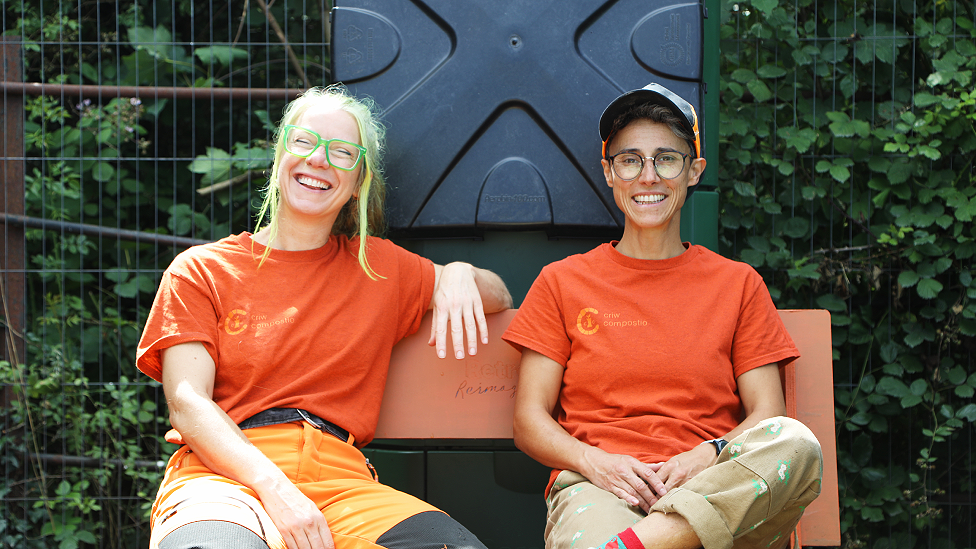
Criw Compostio collects organic waste, wood shavings, and used pet bedding twice a week in Machynlleth. The materials are processed in specialized, pest-proof composters at a local site to create high-quality compost that is returned to the community.
Maintaining a local resource loop
The organization operates on a closed-loop model where local cafes provide waste, which is processed into compost and then used by local growers to produce food for those same cafes. This system is designed to keep resources within the immediate area, explicitly avoiding sales on platforms like eBay or Amazon.
Community engagement and food production
While Powys council manages mandatory household food waste collections, Criw Compostio provides educational sessions for residents looking to improve their home or allotment composting. According to Steph, a representative of the group, the cost of living crisis has increased interest in home food production, making allotments highly sought after in the region.
Advertisement
This article was independently rewritten by ManyPress editorial AI from reporting originally published by BBC Science & Environment.