The State Hydrometeorological Institute reported that summer 2026 was exceptionally warm across Croatia, with significant precipitation deficits in eastern and central regions.
Key facts
- •Summer 2026 temperatures were consistently higher than the 1991–2020 reference period across Croatia.
- •Puntijarka and Zavižan recorded the highest temperature deviation at 3.3 °C above the average.
- •Gradište experienced the most significant precipitation deficit, receiving only 24.7 percent of normal rainfall.
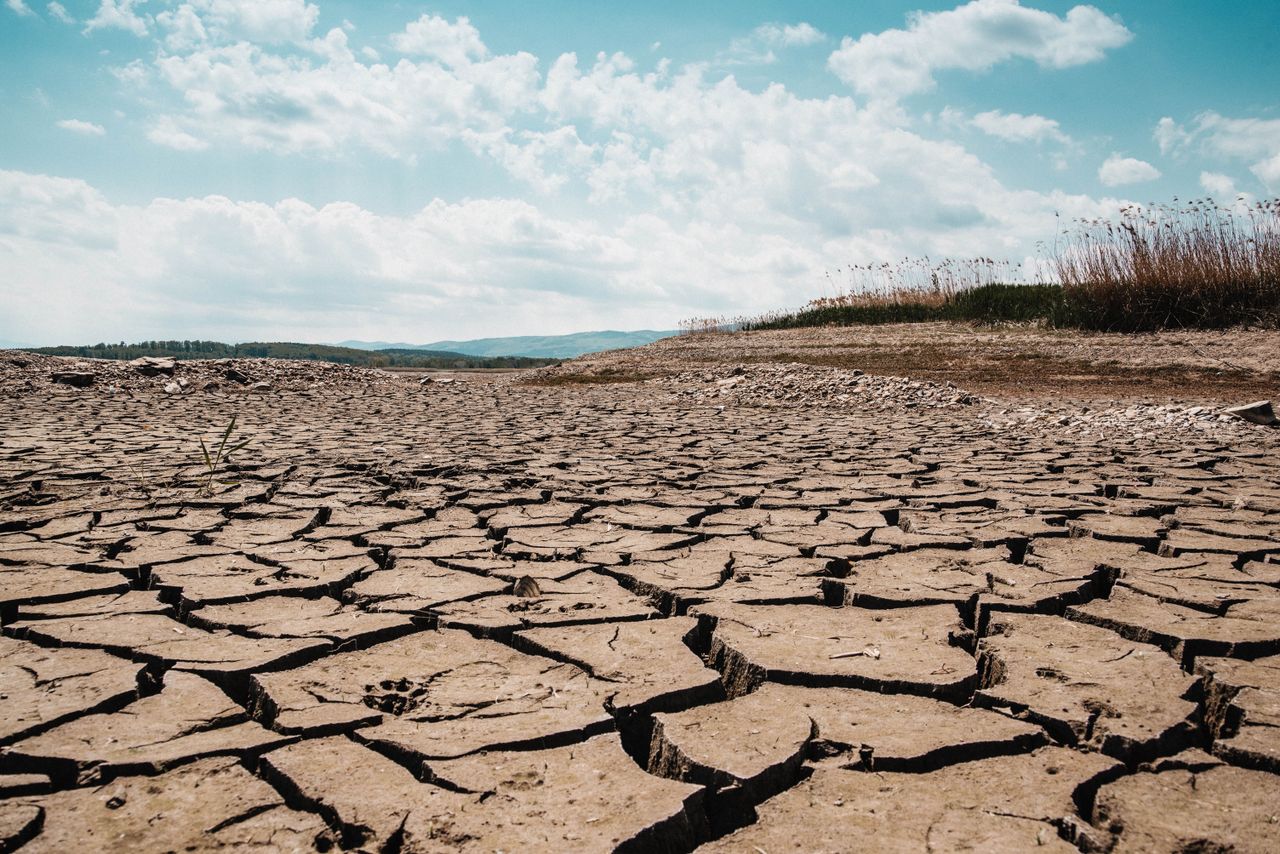
- •Eastern and central Croatia faced the most severe drought conditions during the summer months.
- •Most of the Adriatic coast experienced precipitation levels within normal climatological limits.
Croatia experienced an extremely warm summer in 2026, with mean seasonal temperatures significantly exceeding the 1991–2020 climatological average. The State Hydrometeorological Institute (DHMZ) reported that temperature deviations reached as high as 3.3 °C in some locations. While the heat was widespread, precipitation levels varied significantly, leading to serious agricultural issues due to drought conditions in the eastern and central parts of the country.
By the numbers
Record-Breaking Temperature Deviations
Temperature data from the DHMZ indicates that nearly the entire country experienced an extremely warm summer. Deviations from the long-term average ranged from 1.8 °C in Daruvar and Makarska to 3.3 °C at Puntijarka and Zavižan. Other notable deviations included 2.9 °C in Parg, Senj, and Gospić, and 2.8 °C in Osijek. Percentile values at several stations, including Osijek and Dubrovnik, reached 99.9, highlighting the unusual nature of the heat compared to historical norms.
Uneven Precipitation and Drought
Precipitation patterns were notably uneven, with the most pronounced deficits occurring in eastern Croatia. Gradište recorded only 24.7 percent of its usual summer rainfall, totaling 51.2 millimeters, while Slavonski Brod received approximately 37 percent of its normal amount. Other areas, including Zagreb, Karlovac, Osijek, and Daruvar, also faced very dry conditions. Conversely, precipitation levels remained within normal limits across much of the Adriatic coast, including locations like Rijeka, Split, and Dubrovnik.
Advertisement
This article was independently rewritten by ManyPress editorial AI from reporting originally published by Total Croatia News.