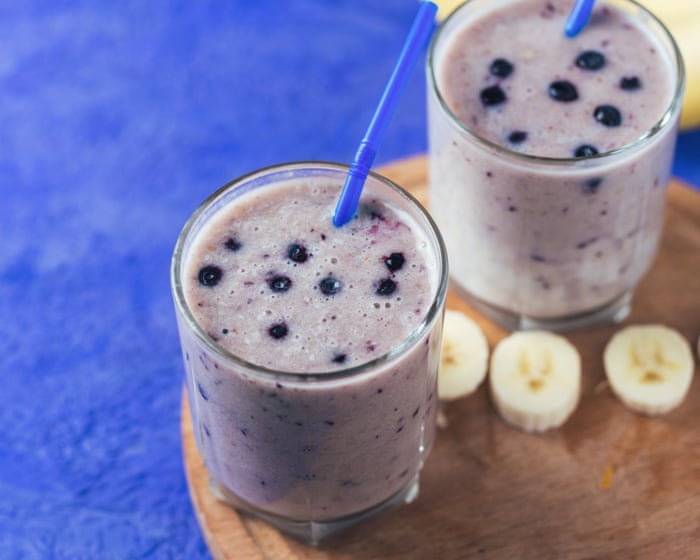
A claim that adding bananas to blueberry smoothies reduces antioxidant absorption has sparked debate among experts regarding the practical impact on human health.
Key facts
- •Polyphenol oxidase is an enzyme found in bananas that breaks down polyphenols, which are antioxidant compounds present in plants like blueberries.
- •A 2023 study cited in the claim was funded by the Mars company and used flavanols derived from cocoa rather than blueberries.
- •Blueberries are primarily rich in anthocyanins, which were not the focus of the study that measured flavanol absorption.
- •Registered dietitian Alyssa Northrop states that most people do not meet the recommended daily intake of five servings of fruits and vegetables.
- •Dr. Joe Schwarcz describes the focus on whether to include a banana in a smoothie as 'scientific nonsense' that makes no practical difference to health.
Biomedical scientist Dr. Rhonda Patrick recently stated on a podcast that adding bananas to blueberry smoothies can reduce the nutritional benefits of the berries. The claim centers on an enzyme in bananas called polyphenol oxidase, which breaks down polyphenols, a group of antioxidant compounds found in blueberries. While some research suggests this interaction occurs, nutrition experts emphasize that the overall impact on a person's diet is minimal.
By the numbers
The Basis of the Claim
The claim primarily stems from a 2023 study that examined how polyphenol oxidase affects the absorption of flavanols, a specific type of polyphenol. Participants who consumed banana smoothies with added flavanols showed lower blood levels of those antioxidants compared to those who drank mixed-berry smoothies. However, Dr. Joe Schwarcz, director of McGill University’s office for science and society, notes that the study did not actually test a combination of bananas and blueberries, and it involved only eight subjects, making it insufficient for broad conclusions.
Nutritional Context and Expert Perspective
Experts point out that the study focused on flavanols, whereas the primary polyphenols in blueberries are anthocyanins, which are linked to cardiovascular and metabolic health. Furthermore, polyphenols are not classified as essential nutrients, and there is no established recommended daily intake. Registered dietitian Alyssa Northrop suggests that consumers should focus on maintaining a varied diet rather than micromanaging specific food combinations. She notes that if adding a banana encourages someone to consume more fruit, the benefit outweighs the potential loss of specific antioxidant absorption.
Practical Smoothie Alternatives
For those concerned about polyphenol oxidase levels, experts suggest using fruits with lower concentrations of the enzyme, such as mango or pineapple. Alternatively, ingredients like oats, yogurt, silken tofu, kefir, avocado, or frozen cauliflower can provide the creamy texture typically sought from bananas. Ultimately, experts characterize the concern over the banana-blueberry combination as scientifically insignificant in the context of an individual's overall health and diet.
Advertisement
This article was independently rewritten by ManyPress editorial AI from reporting originally published by The Guardian Health.