Cinematographer Peter van Rodijnen and director Mark Verkerk document the complex ecosystem of the North Sea, highlighting both its ecological challenges and its surprising resilience.
Key facts
- •Cinematographer Peter van Rodijnen spent 20 years documenting the North Sea before teaming up with director Mark Verkerk for this project.
- •The film production spanned seven years and faced a high rate of cancellation, with 80% of planned dives called off due to rough weather.
- •The documentary highlights the impact of underwater noise from windfarm construction on marine life, including the development of fish eggs.
- •Artificial reefs have formed on rocks accidentally dropped from ships 30 years ago, demonstrating that marine life can recover when given a chance.
- •The film has been screened in the Netherlands, Belgium, Germany, Austria, and Switzerland, with further interest reported from Japan, China, Italy, and Argentina.
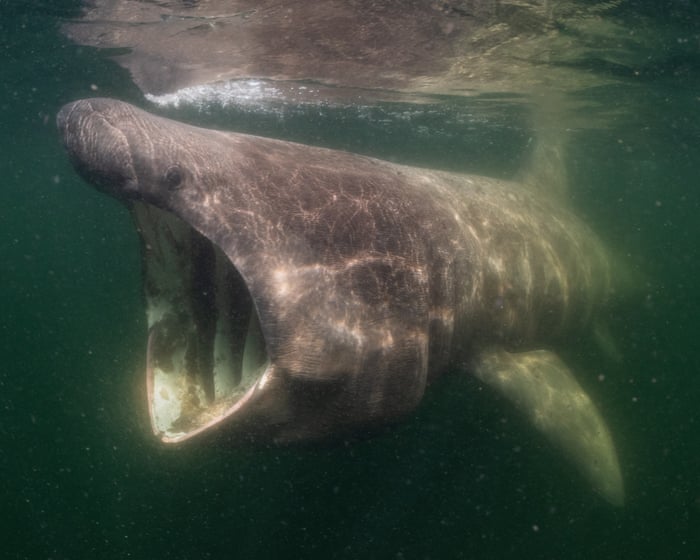
Dutch cinematographer Peter van Rodijnen and director Mark Verkerk have released a documentary titled 'North Sea, Nature Untamed' that explores the marine life of the North Sea. Despite the region's reputation for murky waters and industrial exploitation, the film captures a diverse ecosystem featuring kelp forests, sharks, and orcas. The project, which took seven years to film, aims to reveal the hidden beauty of the sea while examining the impact of human activity on its environment.
By the numbers
Challenges of Underwater Filming
Capturing footage in the North Sea proved exceptionally difficult due to poor visibility caused by annual plankton blooms, shallow waters, and strong tides. Van Rodijnen and Verkerk faced significant logistical hurdles, with four out of every five planned dives cancelled because of rough sea conditions. Divers were often limited to 20 or 30 minutes of filming per session, requiring immense patience and persistence to document the marine life.
Human Impact and Industrial Activity
The film examines the North Sea as a space shaped by human intervention, including fishing, oil extraction, and windfarm construction. It documents the effects of industrial fishing, such as the bycatch of sharks and rays, and the noise pollution generated by windfarm development, which can be 20 times louder underwater than above the surface. However, the filmmakers also highlight that windfarm areas can act as de facto marine parks by preventing bottom trawling, allowing artificial reefs to flourish on submerged rocks.
A Global Perspective on Marine Ecosystems
Rather than focusing solely on charismatic species, the documentary emphasizes the entire marine system, including the role of plankton as a foundational element. The filmmakers argue that the North Sea serves as a microcosm for global ocean issues, demonstrating both the intensity of human exploitation and the potential for ecological recovery. Since its release, the film has toured across several European countries and has garnered international interest.
Advertisement
This article was independently rewritten by ManyPress editorial AI from reporting originally published by The Guardian Culture.