The exhibition features 20th-century American urban photography exclusively from the DNB Savings Bank Foundation collection.
Key facts
- •The exhibition is the second photography show in the history of the Dulwich Picture Gallery.
- •All works on display belong to the DNB Savings Bank Foundation collection.
- •The show includes a 44-second film clip of a 1931 San Francisco soup kitchen.
- •Featured photographers include Dorothea Lange, Lewis Hine, Diane Arbus, and Bruce Davidson.
- •The exhibition covers urban themes ranging from the Great Depression to 1980s New York subway life.
The Dulwich Picture Gallery is currently hosting 'Portrait of a City,' only the second photography exhibition in the institution's history. The show explores the development of the modern American urban environment through the work of 20th-century photographers, tracing the evolution of the medium from pictorialist pioneers to 1980s street photography.
Curated Collection and Scope
The exhibition features works exclusively from the DNB Savings Bank Foundation collection. It spans the 20th century, beginning with early social documentary work by figures such as Dorothea Lange and Lewis Hine, and moving through the mid-century to the 1980s. Featured artists include Alfred Stieglitz, Edward Steichen, Diane Arbus, Richard Avedon, and Roy DeCarava.
Themes and Multimedia Elements
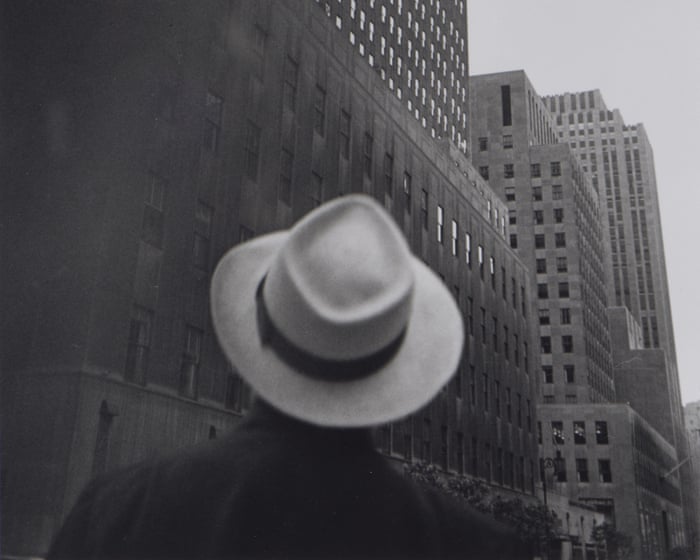
The collection examines the American city through various lenses, including urban construction, social protest, and the isolation of individuals within massive cityscapes. Alongside the photographs, the exhibition includes a 44-second film clip from 1931 showing a San Francisco soup kitchen, providing a different perspective on the setting of Dorothea Lange’s famous Great Depression imagery.
Evolution of Urban Photography
Many of the featured photographers were first- or second-generation European immigrants who used the camera to interpret the overwhelming nature of the city. The exhibition concludes with 1980s subway photography by Bruce Davidson, capturing the diverse collisions of life on New York's transit system.
Advertisement
This article was independently rewritten by ManyPress editorial AI from reporting originally published by The Guardian Culture.