European Commission President Ursula von der Leyen has proposed an unprecedented associate membership for Canada to deepen economic and security ties.

ManyPress
ManyPress Editorial
Key facts
- •Ursula von der Leyen proposed the associate member status during her state of the union address on September 16.
- •Canada is currently a recognized partner in the Erasmus+ program but is seeking full associated status.
- •The proposed partnership aims to cover defense, manufacturing, energy, technology, and Arctic cooperation.
- •President Donald Trump threatened to impose heavy tariffs on Europe if the EU-Canada deal is viewed as a hostile act.
- •The associate member status does not currently exist under EU law and remains to be defined.
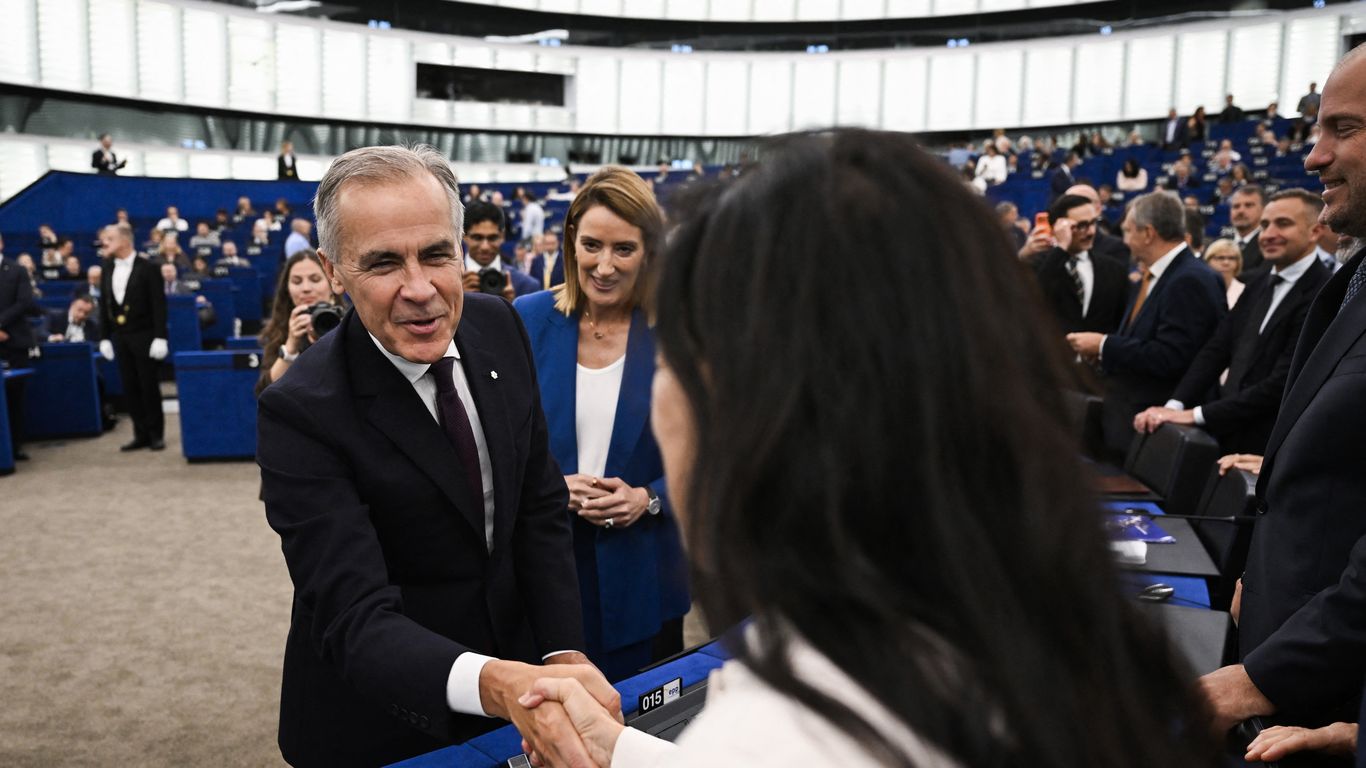
European Commission President Ursula von der Leyen has proposed making Canada the European Union’s first "associate member." The offer, announced during her state of the union address on Wednesday, September 16, aims to integrate defense industries and deepen cooperation in technology, energy, and the Arctic. Canadian Prime Minister Mark Carney attended the address in Strasbourg, marking the first time a non-European leader has been invited to the event.
Proposed Partnership and Legal Status
The proposed associate status currently has no basis in existing EU law and would require a new legal framework to be developed. EU officials described the goal as creating the closest possible form of association for a partner outside of Europe. While the EU already maintains relationships with countries like Norway, Iceland, and Liechtenstein through the single market, the arrangement for Canada is intended to be a unique, unprecedented partnership.
Integration of EU Programs
Negotiations are underway to increase Canadian participation in existing EU initiatives. Canada is currently in talks to become an associated member of the Erasmus+ exchange program, which would allow for broader student and faculty mobility between Canadian and European universities. Additionally, discussions are exploring expanded cooperation in the Horizon Europe research funding program. MEP Javier Moreno Sánchez noted that there is also interest in extending the mutual recognition of professional qualifications to include doctors, engineers, and professors.
Geopolitical Context and U.S. Relations
The proposal follows a period of strained relations between Canada and the United States, characterized by U.S. trade threats and tariffs. President Donald Trump has criticized the potential EU-Canada partnership, stating he would consider imposing heavy tariffs on Europe if he perceives the move as a hostile act. Conversely, the initiative is framed by the EU as a response to a global environment where traditional relationships have become less reliable, allowing democracies the freedom to choose their strategic partners.
Timeline
- July 27, 2025Ursula von der Leyen signed a trade deal with Donald Trump in Turnberry, Scotland.
- TuesdayMEP Javier Moreno Sánchez briefed reporters on Canada's potential participation in Erasmus+.
- Wednesday, September 16Ursula von der Leyen proposed associate membership for Canada during her state of the union address.
- Thursday eveningDonald Trump told reporters he would consider tariffs on Europe if the partnership is a hostile act.
Advertisement
This article was independently rewritten by ManyPress editorial AI from reporting originally published by Axios, Euronews My Europe, Le Monde (English).