A viral trend suggesting the use of allergy and acid reflux medications to treat menopause symptoms lacks scientific evidence and may pose health risks.
Key facts
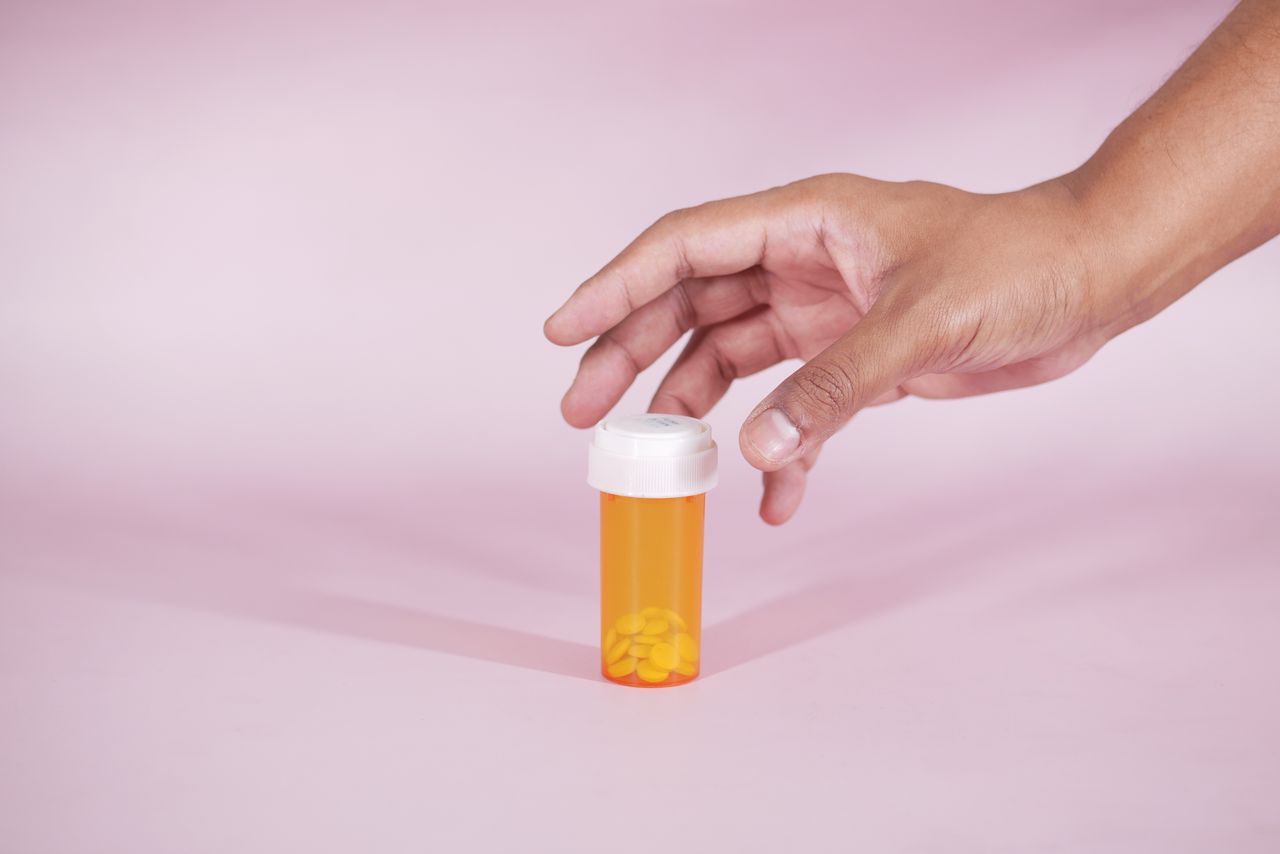
- •The "menopause cocktail" typically combines allergy medications like fexofenadine or cetirizine with acid reducers like famotidine.
- •Major medical guidelines do not recommend the use of antihistamines for managing menopausal symptoms.
- •Experts warn that the cocktail could mask symptoms of thyroid issues, heart problems, or autoimmune conditions.
- •The trend is not supported by high-quality clinical evidence regarding its safety or effectiveness.
- •Healthcare providers recommend seeking professional medical advice for menopause symptoms rather than relying on internet trends.
A social media trend known as the "menopause cocktail" involves combining over-the-counter allergy medications and acid-reducing drugs to manage symptoms like hot flashes and brain fog. Medical experts warn that there is no high-quality evidence to support the safety or effectiveness of this combination. They caution that using these medications without professional guidance could mask underlying health conditions.
Lack of Clinical Evidence
While some anecdotal reports suggest the combination helps with symptoms ranging from anxiety to fatigue, medical professionals emphasize that these medications have not been rigorously tested for this specific use. Dr. Kecia Gaither of Cornell Weill Medicine noted that while histamine plays a role in thermoregulation, modern antihistamines have not been evaluated in clinical trials for menopausal relief. Furthermore, H2 receptor blockers, which are designed to reduce stomach acid, are not known to affect the central thermoregulatory pathways responsible for hot flashes.
Potential Health Risks
Experts warn that self-treating with this cocktail carries risks, particularly with long-term or unsupervised use. A primary concern is that the medications may mask symptoms of other serious health issues, such as thyroid problems, heart conditions, or autoimmune disorders. By treating symptoms without a formal diagnosis, individuals may delay necessary medical care for underlying conditions.
Gaps in Menopause Care
The popularity of the trend is viewed by some experts as a reflection of significant gaps in menopause care and research. Dr. Haleigh Larson of Clair Health stated that the trend highlights a lack of accessible, adequate support for those experiencing hormonal shifts. Medical organizations, including ACOG and the Menopause Society, do not recommend antihistamines as a standard therapy for menopausal symptoms, and experts advise individuals to consult healthcare providers to discuss evidence-based treatments.
Advertisement
This article was independently rewritten by ManyPress editorial AI from reporting originally published by Healthline.