Seventeen aid workers were killed in Sri Lanka in 2006, and families are now calling for a fresh investigation as the government signs a new global protection declaration.
Key facts
- •The 17 victims were employees of Action Against Hunger, including four women and a father-daughter pair.
- •A 2014 UN investigation found reasonable grounds to believe security forces committed the extrajudicial executions.
- •The victims were identified as ACF staff by their clothing when their bodies were discovered.
- •Sri Lanka is one of 118 countries that signed the Declaration for the Protection of Humanitarian Personnel.
- •ACF France submitted a formal request for a new investigation to the Sri Lankan government in June.
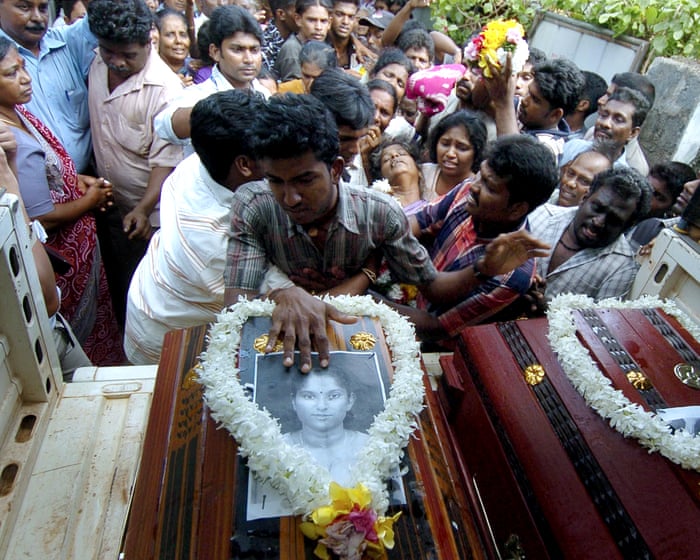
On August 6, 2006, 17 Sri Lankan aid workers employed by the international NGO Action Against Hunger (ACF) were found dead in their compound in Muttur, Sri Lanka. The victims, most of whom were Tamil, had been lined up and shot while wearing clothing identifying them as humanitarian staff. Two decades later, no one has been held accountable for the killings, which occurred during a period of intense fighting between government forces and rebel Tamil fighters.
The Massacre and Investigations
The aid workers had traveled to Muttur from Trincomalee on August 1, 2006, to deliver aid but became stranded when ferry services were suspended due to the conflict. Their last radio contact occurred on the morning of August 4. When colleagues finally reached the compound two days later, they discovered 15 bodies with bullet wounds to the head in front of the main building, and two others behind a vehicle. Subsequent investigations have been marked by allegations of witness intimidation and evidence tampering. A 2013 report by ACF and a 2014 UN Human Rights Office investigation both pointed toward the involvement of Sri Lankan security forces, though the military has denied responsibility and blamed rebel fighters.
Calls for Accountability
ACF France has formally requested that the Sri Lankan government open a new, impartial investigation, though they have yet to receive a response. Amuthan Sivajnanam, who lost his sister, Kovarthani, in the attack, is among those publicly demanding justice. He and other families have reported facing significant pressure to remain silent over the last 20 years. There is renewed hope for progress following Sri Lanka’s decision to sign the Declaration for the Protection of Humanitarian Personnel. The agreement includes a commitment to end impunity for attacks on aid workers. Legal experts suggest that despite the passage of time, the state retains an obligation to provide truth and reparation to the victims' families.
Timeline
- August 1, 2006The ACF team arrived in Muttur by ferry to deliver aid.
- August 4, 2006The final radio contact was made between the team in Muttur and their base in Trincomalee.
- August 6, 2006The bodies of the 17 aid workers were discovered in the organization's compound.
- 2013ACF published a report alleging that members of the Sri Lankan security forces were responsible for the killings.
- 2014The UN Human Rights Office investigation concluded there were reasonable grounds to believe security forces committed the executions.
Advertisement
This article was independently rewritten by ManyPress editorial AI from reporting originally published by The Guardian Global Development.