The Federal Reserve has implemented a 0.25 percentage point interest rate hike, citing persistent inflation and the economic impact of the ongoing Iran war.

ManyPress
ManyPress Editorial
Key facts
- •The federal funds rate was increased by 0.25 percentage points to a range of 3.75% to 4%.
- •The vote to raise rates was unanimous among members of the Fed's rate-setting committee.
- •The Consumer Price Index rose at an annual rate of 3.4% in August.
- •Gas prices reached $4.44 per gallon on Thursday.
- •The Fed dropped references to temporary supply shocks in its latest policy statement.
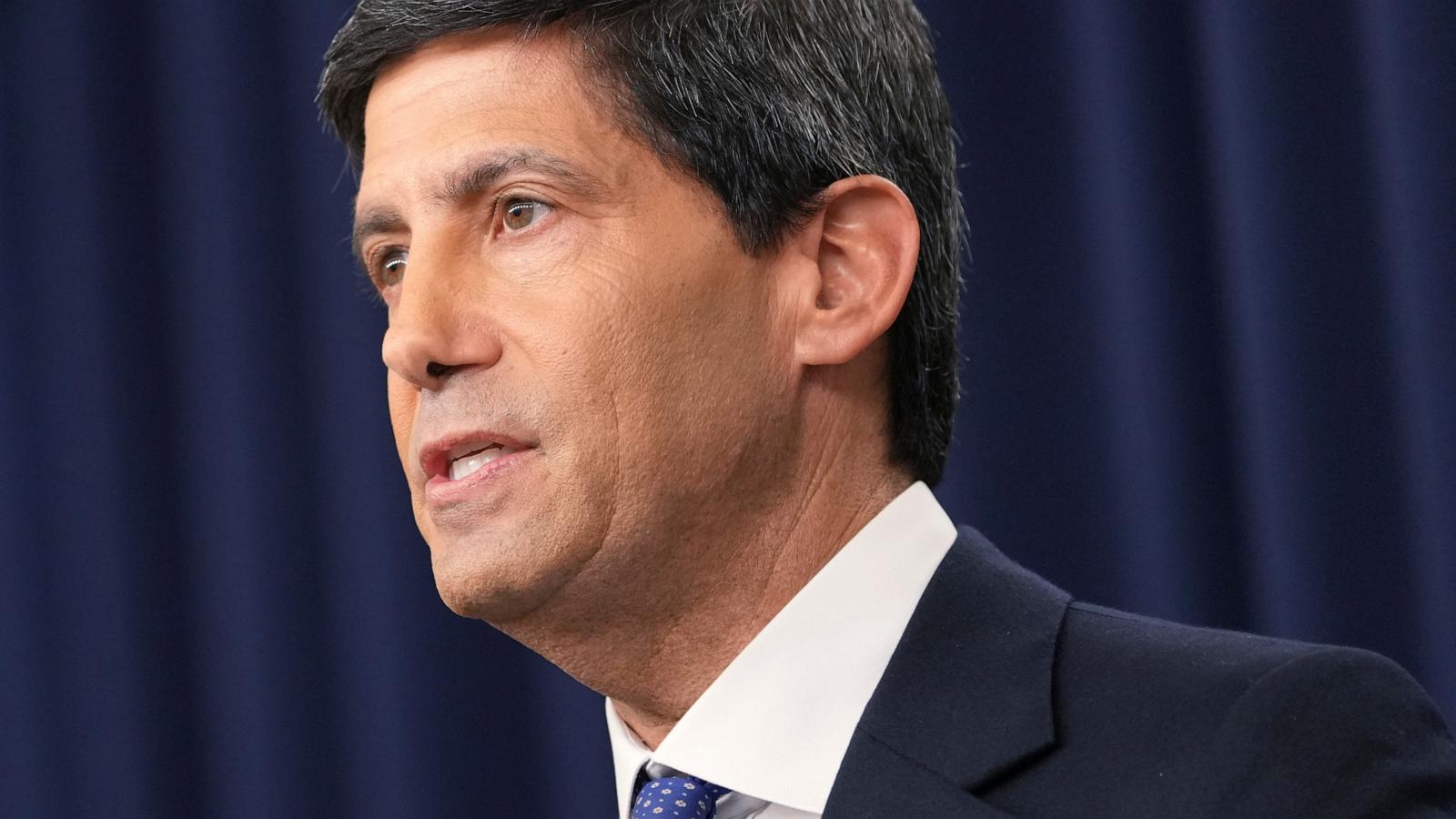
The Federal Reserve raised the federal funds rate by 0.25 percentage points on Wednesday, marking its first rate increase since 2023. The unanimous decision brings the target range to between 3.75% and 4%, the highest level since December 2025. Fed Chairman Kevin Warsh stated that the move is intended to address inflation, which has remained above the central bank's 2% annual target for over five years.
By the numbers
Economic Drivers and Policy Shift
The rate hike represents a reversal from earlier in the year, when many economists anticipated potential rate cuts as inflation appeared to be cooling. However, the ongoing conflict in the Middle East has disrupted crude oil production and supplies, leading to higher fuel prices and broader economic costs. Fed officials noted that consumer and business spending has remained resilient, and they no longer view the energy price shocks as temporary, given that the Iran war has entered its seventh month.
Future Outlook and Market Reaction
While the committee signaled that a second rate increase could be appropriate later this year, Chairman Warsh indicated that policymakers expect to hold rates steady throughout 2027. The Fed's benchmark rate influences borrowing costs for credit cards, auto loans, and personal loans, though the central bank does not directly control longer-term costs like mortgages. Following the announcement, financial markets showed signs of stability, with the 10-year Treasury yield slipping on Thursday.
Timeline
- July 29The Fed held its previous meeting and characterized inflation as partly reflecting temporary supply shocks.
- WednesdayThe Fed unanimously voted to raise interest rates by 0.25 percentage points.
- ThursdayThe 10-year Treasury yield slipped, and gas prices reached $4.44 per gallon.
Advertisement
This article was independently rewritten by ManyPress editorial AI from reporting originally published by Yahoo Finance, CBS MoneyWatch, ABC News Business.


