The Federal Reserve increased its benchmark interest rate by 0.25% to combat inflation, defying calls from President Donald Trump for lower borrowing costs.
Key facts
- •The Federal Reserve raised its benchmark interest rate by 0.25%.
- •The new flagship rate is set between 3.75% and 4.00%.
- •Fed Chair Kevin Warsh stated that inflation has remained too high for too long.
- •The committee signaled that an additional rate hike is expected later this year.
- •President Trump publicly criticized the move and demanded lower interest rates.
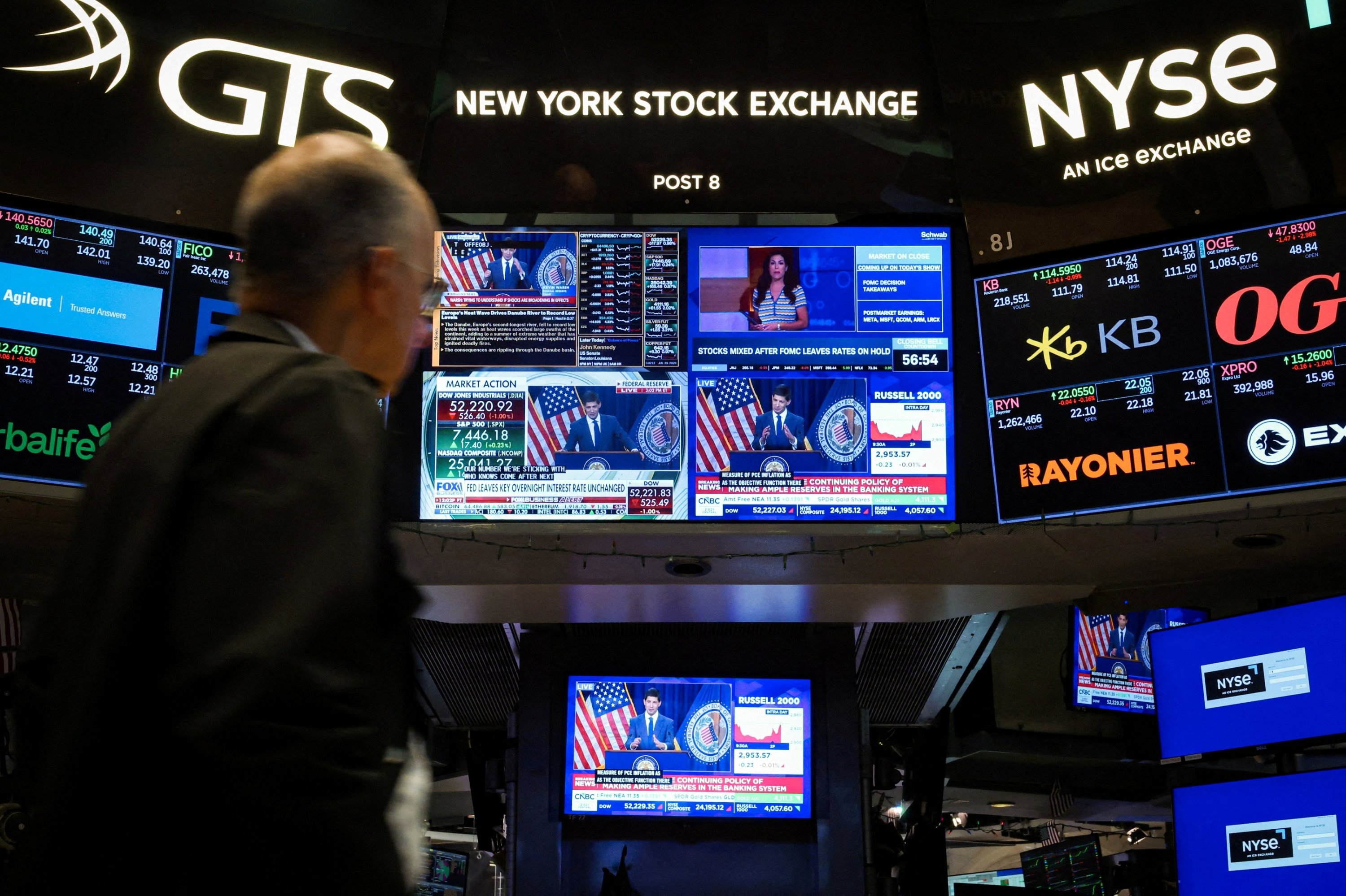
The U.S. Federal Reserve announced a 0.25% interest rate hike on Wednesday, marking the first such increase in three years. The move aims to curb persistent inflation, which policymakers noted has remained above the central bank's 2% target. The decision was made unanimously by the Federal Open Market Committee despite repeated public pressure from President Donald Trump to lower rates.
By the numbers
Policy Shift and Economic Outlook
The rate hike brings the Fed's benchmark rate to a range of 3.75% to 4.00%, or approximately 3.9% according to some reports. Fed Chair Kevin Warsh stated that inflation remains too high and that the committee was not satisfied with the current speed of progress toward its objective. The central bank signaled that another rate increase could occur before the end of the year, with projections suggesting a potential rise to 4.1%.
Political Friction
The decision directly conflicts with President Trump’s long-standing demands for lower interest rates. Following the announcement, the President publicly demanded that the Fed lower rates immediately. While Warsh was appointed by Trump and previously suggested potential rate cuts during his nomination process, he maintained during his Senate confirmation that he would act as an independent chair.
Economic Drivers
The Fed cited geopolitical developments, specifically the war with Iran, as a factor contributing to elevated uncertainty and rising prices. The increased costs for gas, groceries, and housing have become a central issue for Americans ahead of the midterm elections. Economists noted that the hike could lead to higher borrowing costs for consumers, including for mortgages, auto loans, and credit cards.
Advertisement
This article was independently rewritten by ManyPress editorial AI from reporting originally published by NBC News Business, Daily Sabah.