A nonprofit aims to launch a low-cost spacecraft to Alpha Centauri by 2029 using a flight path discovered by an AI system.
Key facts
- •The Fermi Explorer Mission plans to launch by the end of 2029.
- •The mission is funded by individual private donors with a $15 million budget.
- •The AI system Get Physics Done generated the trajectory over three days of research.
- •The spacecraft will carry a payload of at least one kilogram, including a copy of the Golden Record.
- •Alpha Centauri is approximately 25 trillion miles away from Earth.
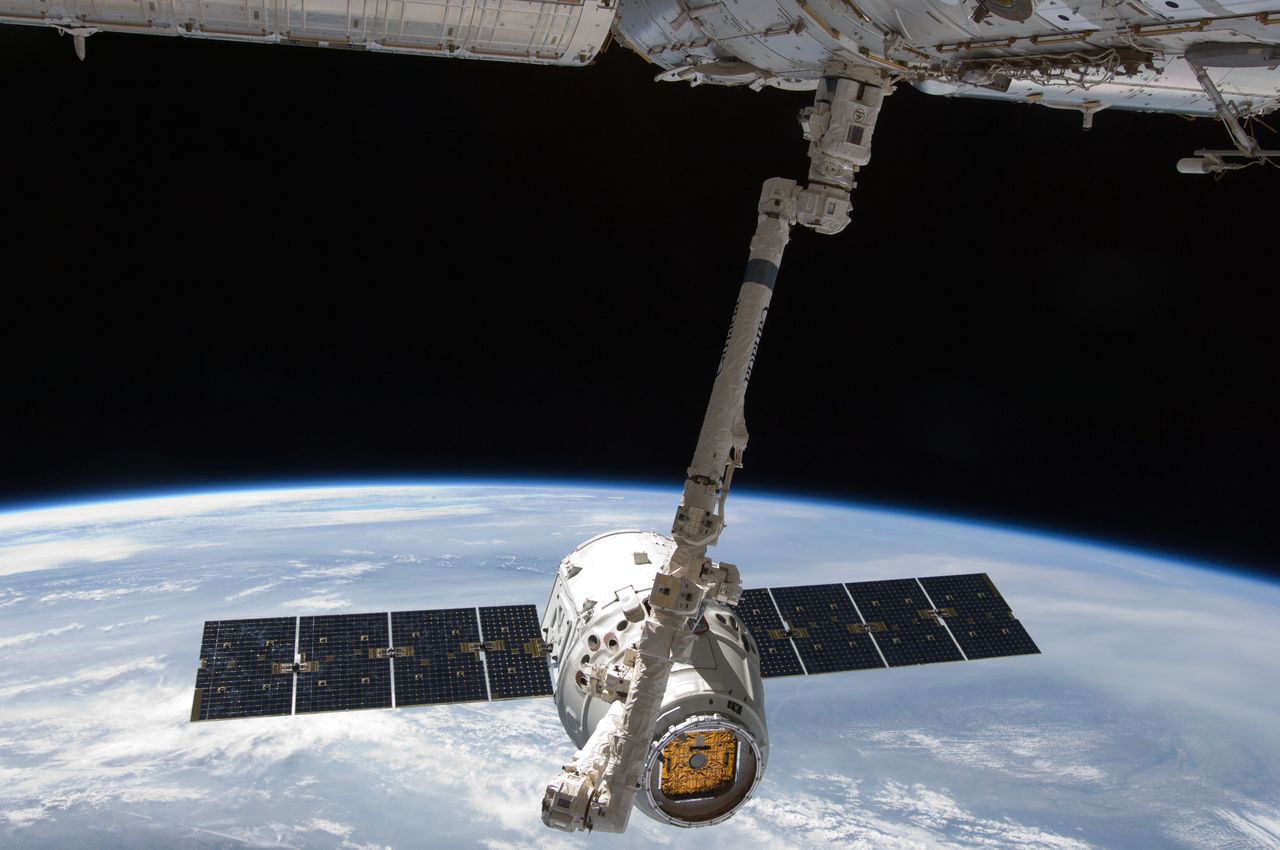
The Fermi Explorer Mission, a nonprofit organization, intends to launch a spacecraft to the Alpha Centauri star system by the end of 2029. To overcome significant engineering and budget constraints, the team utilized an AI system called Get Physics Done to develop a novel trajectory. The mission, which is expected to cost $15 million, aims to address long-standing questions regarding the Fermi paradox by demonstrating humanity's capability to reach another star.
By the numbers
AI-Designed Flight Path
After a year of unsuccessful planning, the team turned to the AI system developed by Physical Superintelligence (PSI). The AI proposed a trajectory that involves swinging the spacecraft closer to the sun than Mercury. By firing the engine during these close passes, the craft utilizes solar power that is four times stronger than at standard distances, allowing for a smaller, lighter design that fits within the project's $15 million budget.
Mission Objectives and Constraints
The mission is not designed to arrive quickly; the journey could take up to 80,000 years to cover the 4.4 light-year distance. The spacecraft will carry at least one kilogram of cargo, including artistic payloads and a copy of the Golden Record. Founders acknowledge that future, faster spacecraft may arrive at the destination long before this probe, but emphasize that the primary goal is to explore the feasibility of interstellar travel and address the Fermi paradox.
Advertisement
This article was independently rewritten by ManyPress editorial AI from reporting originally published by MIT Technology Review.