Germany, Austria, the Netherlands, Denmark, and Greece are in talks with Uganda to establish a center for failed asylum seekers.
Key facts
- •The initiative is led by Germany, Austria, the Netherlands, Denmark, and Greece.
- •The European Commission is not participating in the discussions.
- •Migration ministers from the five countries will meet in Copenhagen on 4 September.
- •The proposed center is intended to hold up to 10,000 migrants.
- •France and Spain are the main opponents of the return hub policy.
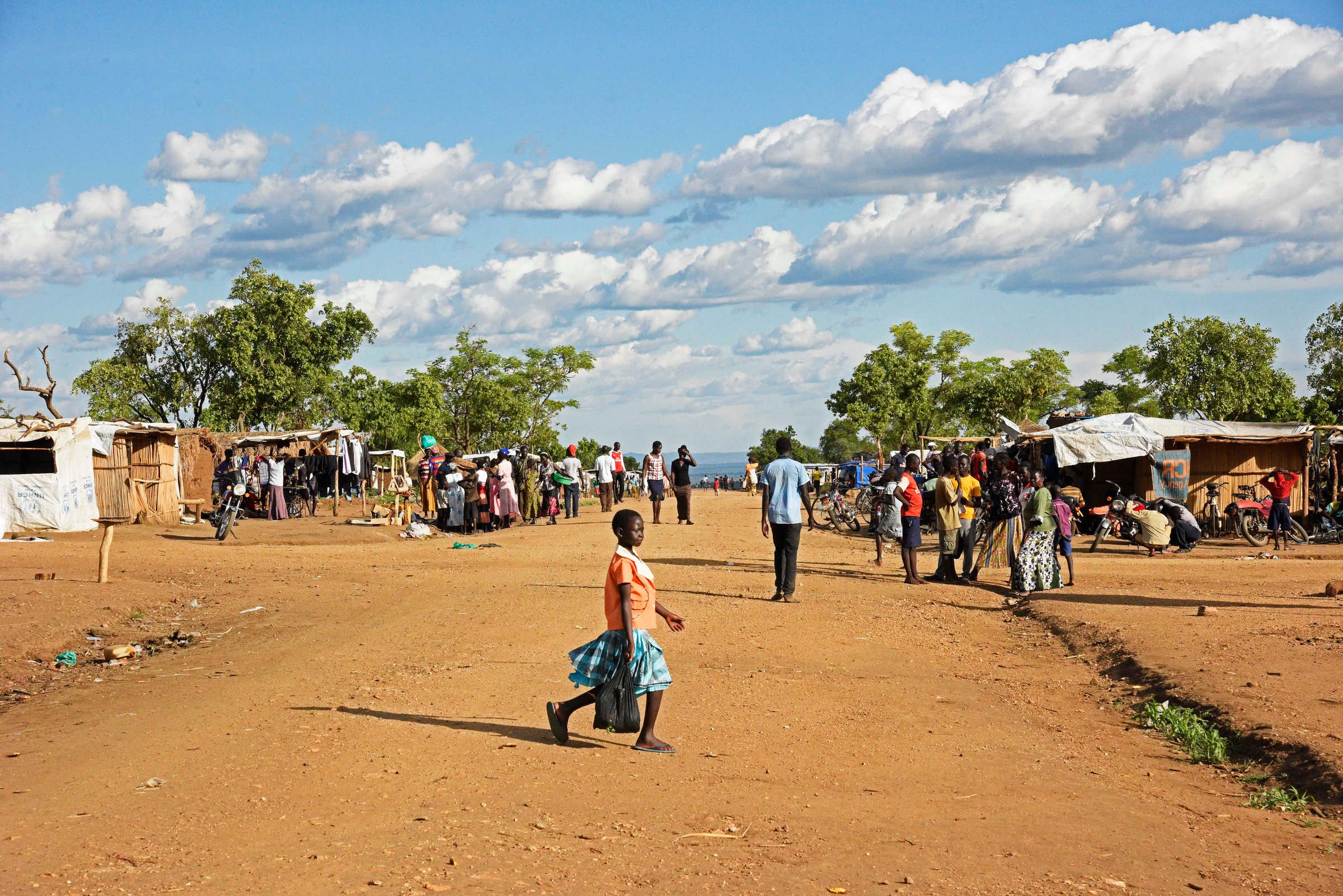
Five European Union countries are currently negotiating with officials in Kampala to open a return hub for failed asylum seekers in Uganda. The initiative is led by Germany, Austria, the Netherlands, Denmark, and Greece. A spokesman for the European Commission confirmed on Thursday that the EU executive is not involved in these discussions.
Negotiation status and objectives
The five nations are conducting bilateral talks with Ugandan officials, with migration ministers scheduled to meet in Copenhagen on 4 September to review the progress of the negotiations. The proposed center aims to accommodate up to 10,000 migrants whose asylum applications have been rejected by EU member states. The initiative is intended to encourage migrants to return voluntarily to their countries of origin rather than remain in Uganda.
EU policy context
While EU regulations permit the bloc to negotiate the creation of return hubs outside its borders, the concept does not have unanimous support among member states. France and Spain have been identified as the primary opponents of the return hub policy. The current proposal for Uganda is reportedly similar in scope to a Memorandum of Understanding signed last year between the Dutch government and Kampala.
Advertisement
This article was independently rewritten by ManyPress editorial AI from reporting originally published by EUobserver.