Flash floods in Nepal's Gorkha district swept away homes and infrastructure on Sunday, but timely SMS alerts are credited with preventing casualties.

ManyPress
ManyPress Editorial
Key facts
- •The flood occurred on Sunday, October 11, 2026, in the Gorkha district of central Nepal.
- •Approximately 45 houses were swept away by the surge of water and debris.
- •Authorities credited SMS alerts sent at 6:40 a.m. with allowing residents to reach safety.
- •At least 82 people, including nine foreigners, were rescued from the affected region.
- •Five individuals are currently listed as missing following the event.
- •Three hydropower projects and four bridges sustained damage during the flooding.
Flash floods surged through Nepal's Gorkha district on Sunday, October 11, 2026, after a river blockage in the Budhi Gandaki river gave way. The flooding destroyed homes, bridges, and hydropower projects, forcing residents to flee to higher ground. Authorities issued SMS alerts to downstream communities shortly after receiving reports of the flood, which officials credit with preventing any reported deaths.
By the numbers
Flood Impact and Response
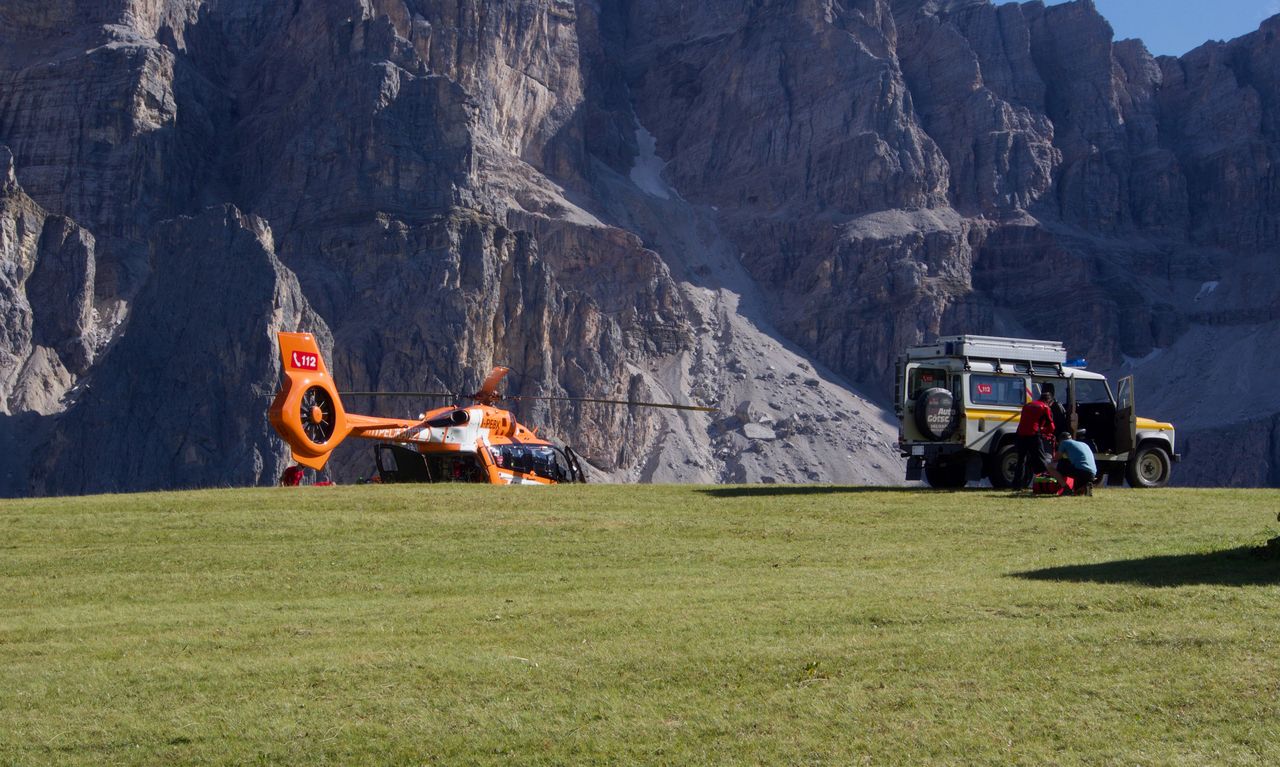
The floodwaters, described as debris-filled and muddy, swept away approximately 45 houses and damaged four bridges along with three hydropower projects. Rescue operations involved four helicopters and the mobilization of police and army personnel. According to the National Disaster Risk Reduction and Management Authority, at least 82 people, including nine foreign nationals, were rescued from the affected areas. While no deaths have been confirmed, five people remain unaccounted for.
Cause and Warning System
Disaster management officials believe the flood was caused by a temporary blockage of the Budhi Gandaki river, likely triggered by a landslide or an avalanche in the upper reaches. Authorities received initial reports of the flood at 6:20 a.m. and dispatched SMS alerts to downstream residents 20 minutes later. This warning window allowed residents in areas including Sirdibas, Jagat, and Arughat to evacuate before the water levels rose significantly, reaching 8.3 meters at Arughat.
Advertisement
This article was independently rewritten by ManyPress editorial AI from reporting originally published by Africanews, Euronews Europe, The Hindu, Kathmandu Post.