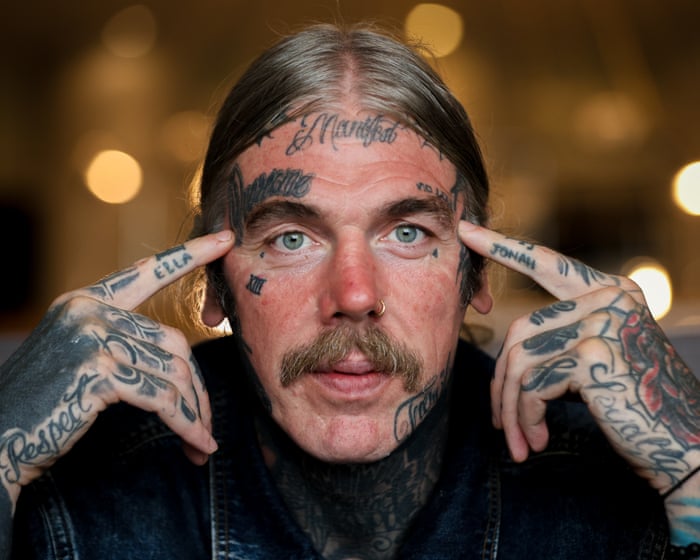
Former professional rugby player Ryan Caldwell discusses his career, struggles with addiction and mental health, and his path to recovery in his new autobiography, 'White Lines'.
Key facts
- •Ryan Caldwell played as a second-row for Ulster, Bath, and Exeter during his professional rugby career.
- •Caldwell earned two full international caps for Ireland before retiring in 2014.
- •He was resuscitated on the pitch during a 2007 training session after being punched by Paul O’Connell.
- •Caldwell served two terms in Maghaberry prison near Lisburn during his period of addiction.
- •He now leads three- and four-day retreats focused on breathwork, meditation, and mental health support.
Former Ireland international rugby player Ryan Caldwell is set to release his autobiography, 'White Lines: a Rugby Life Broken and Rebuilt'. The book documents his professional career with Ulster, Bath, and Exeter, his struggles with substance abuse, and his recovery from suicidal depression following a career-ending concussion.
By the numbers
Rugby Career and Injuries
Caldwell’s professional career was marked by significant physical toll and internal conflict. He describes a culture where vulnerability was discouraged and injuries were often managed with medication to allow continued play. A pivotal moment occurred during a 2007 training session when he was knocked unconscious by a punch from Paul O’Connell, requiring resuscitation on the pitch. By the time he retired in 2014 at age 30, he suffered from chronic hip pain and the lingering effects of multiple concussions.
Addiction and Personal Struggles
Following his move to Bath in 2011, Caldwell experienced a personal unraveling characterized by the breakdown of his marriage and an escalating dependence on cocaine. His struggles eventually led to two periods of imprisonment at Maghaberry prison. During this time, he faced severe mental health challenges, including suicidal ideation, before eventually seeking a path to recovery through the use of ayahuasca in the Amazon and adopting practices like breathwork and meditation.
Life After Professional Sport
Today, Caldwell works as a facilitator, helping others navigate grief, anxiety, and depression through retreats and natural medicine. He has also mended his relationship with his parents, noting that their connection is stronger than it has ever been. While he once expressed regret over his rugby career, he recently reconnected with the sport by attending an Ulster match, stating that he feels a sense of underlying peace and that the love for the game remains.
Advertisement
This article was independently rewritten by ManyPress editorial AI from reporting originally published by Guardian Sport.