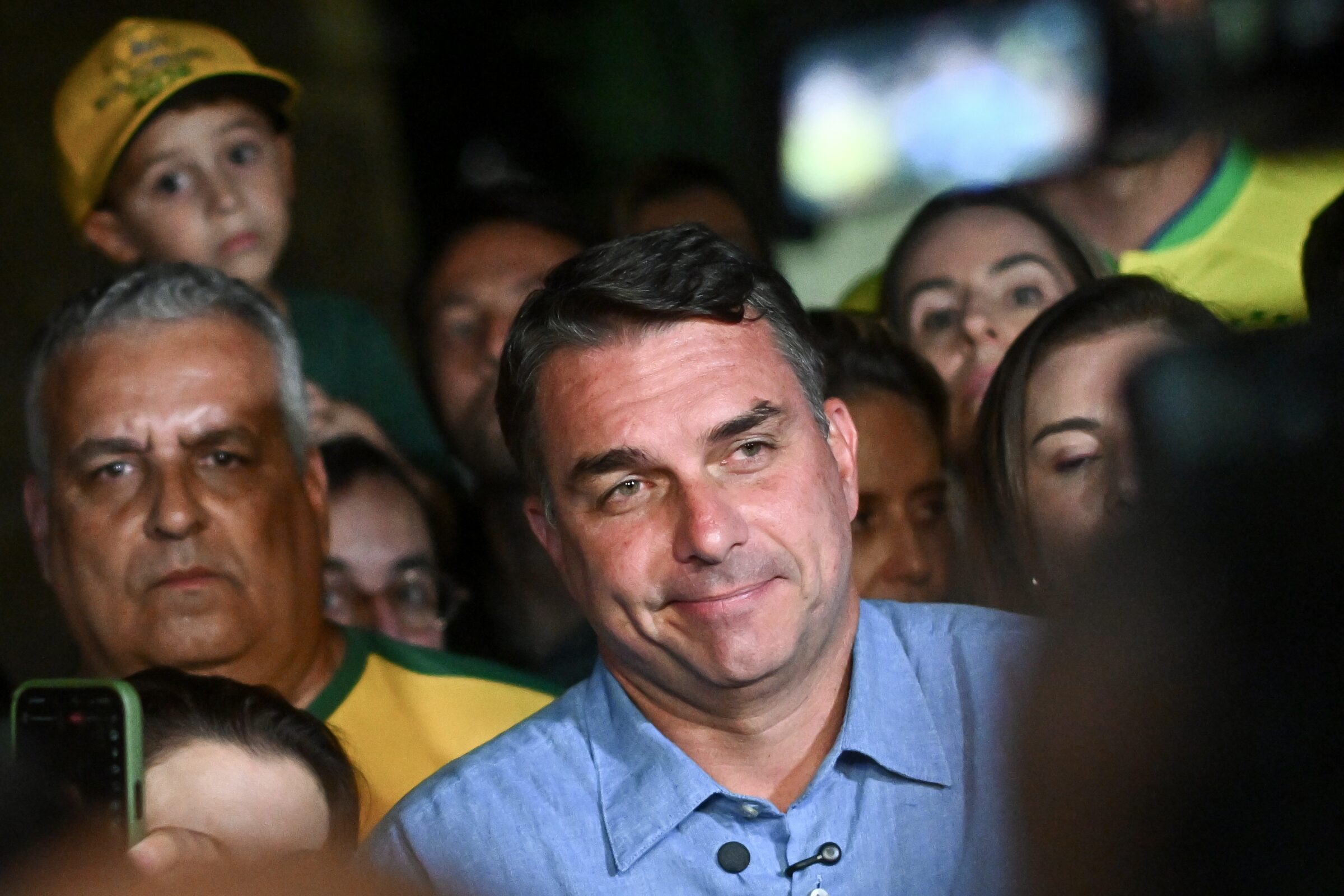
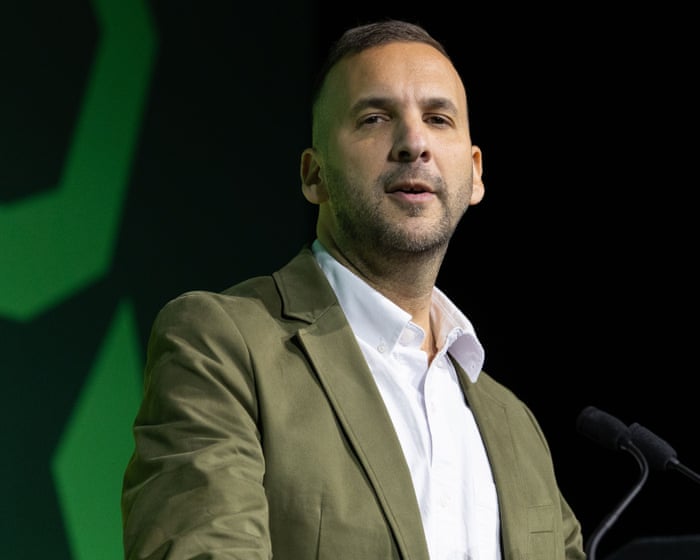
Seven presidential candidates presented their economic platforms to business leaders at the Medef annual meeting in Paris on August 27, 2026.

Key facts
- •The debate lasted three hours and featured seven presidential candidates.
- •Marine Le Pen estimated the cost of her proposed pension reform at 9 billion euros per year.
- •Gabriel Attal set a target to bring the public deficit below 3% of GDP by 2032.
- •Bruno Retailleau proposed the elimination of 100 bureaucratic norms via executive order.
- •Edouard Philippe proposed a 50-billion-euro reduction in production taxes offset by lower corporate subsidies.
- •Marine Tondelier, Jean-Luc Mélenchon, and Raphaël Glucksmann were the only candidates to prioritize climate issues during the debate.
Seven candidates for the French presidential election participated in a three-hour debate before business leaders at the Medef annual meeting in Paris on August 27, 2026. Gabriel Attal, Raphaël Glucksmann, Marine Le Pen, Jean-Luc Mélenchon, Edouard Philippe, Bruno Retailleau, and Marine Tondelier each presented their economic proposals and critiqued their opponents' records. The event, held at Roland-Garros, focused heavily on public finance, taxation, and labor policy.
By the numbers
Candidate Proposals and Economic Plans
Marine Le Pen reaffirmed her commitment to a pension reform based on an age of 60 to 62, depending on career start, and announced a 125-billion-euro savings plan to be presented in October. Jean-Luc Mélenchon advocated for canceling 18% of French debt held by the European Central Bank and warned of recession if wages are not increased. Gabriel Attal defended his record as former Prime Minister, citing a reduction in state spending in 2024, and proposed balancing the public deficit by 2037. Bruno Retailleau focused on reducing bureaucratic norms and taxes, while Edouard Philippe proposed a 'fiscal barter' to cut 50 billion euros in production taxes. Raphaël Glucksmann argued for taxing 'mega-inheritances' to fund a reduction in social security contributions, and Marine Tondelier emphasized the link between economic activity and climate change.
Audience Reception and Interactions
The candidates faced varying reactions from the audience of business leaders. Marine Le Pen received a cool reception, while Bruno Retailleau, who spoke against the 'bureaucratic state,' was noted for his popularity with the crowd. Gabriel Attal drew applause for his criticisms of Le Pen's economic proposals. Jean-Luc Mélenchon engaged the audience with provocative suggestions regarding corporate subsidies, and Marine Tondelier and Raphaël Glucksmann received support when defending the role of immigrant labor in the French economy.
Advertisement
This article was independently rewritten by ManyPress editorial AI from reporting originally published by Politico Europe.