A study suggests that watching television "very often" during midlife may be associated with smaller brain volumes and increased signs of white matter damage.
Key facts
- •Frequent television viewers showed smaller volumes in brain areas linked to early signs of Alzheimer's disease.
- •White matter hyperintensities, which are markers of cerebral small blood vessel disease, were more prevalent in frequent viewers.
- •The study involved approximately 1,700 participants with an average age of 53.
- •Researchers suggest that mentally engaging sedentary activities may be less harmful to brain health than passive television watching.
- •The study was supported by grants from the National Institutes of Health and other funding sources.
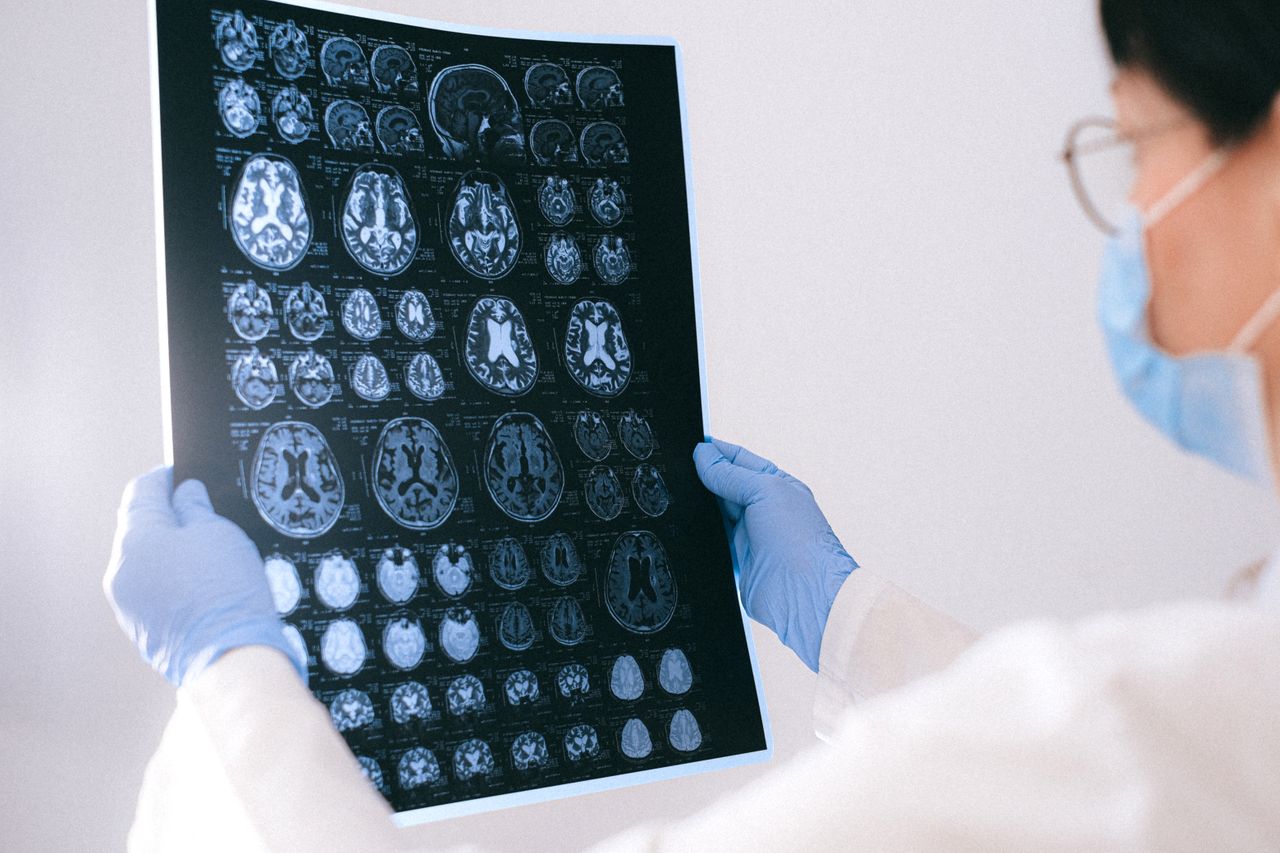
A study published in the journal Alzheimer's and Dementia found that adults who reported watching television "very often" during midlife exhibited smaller brain volumes in regions associated with memory. Researchers observed reduced frontal and occipital lobe volume and increased white matter damage in these individuals compared to those who watched television seldom or never.
Study Methodology and Findings
The research team analyzed data from approximately 1,700 participants in the Atherosclerosis Risk in Communities (ARIC) Study, who had an average age of 53 when they joined between 1987 and 1989. Over 20 years later, participants underwent brain MRI scans. The observed structural brain differences persisted even after researchers accounted for factors such as physical activity, smoking, alcohol use, diabetes, and body mass index.
Impact of Sedentary Behavior Types
The study indicated that the type of sedentary activity matters, as sitting at work was not linked to the same negative brain patterns. In fact, participants who spent significant time sitting at work showed larger frontal and occipital lobes and lower white matter hyperintensity volumes. Researchers suggest that mentally active tasks performed while seated may affect the brain differently than passive television viewing.
Gender Differences and Limitations
Analysis of the MRI data revealed that most brain changes associated with television viewing and workplace sitting appeared in men, suggesting they may be more vulnerable to these effects. The study authors noted limitations, including the reliance on self-reported television habits and the lack of baseline MRI scans at the beginning of the study.
Advertisement
This article was independently rewritten by ManyPress editorial AI from reporting originally published by ScienceDaily.