Germany has shut down the Russian House in Berlin, citing Russian sabotage, ending over 40 years of operations for the cultural center.

Key facts
- •The Russian House in Berlin occupied a 29,000-square-meter building and hosted over three million attendees over the past 15 years.
- •EU sanctions in 2022 restricted the center's financial operations, requiring Bundesbank supervision of its accounts.
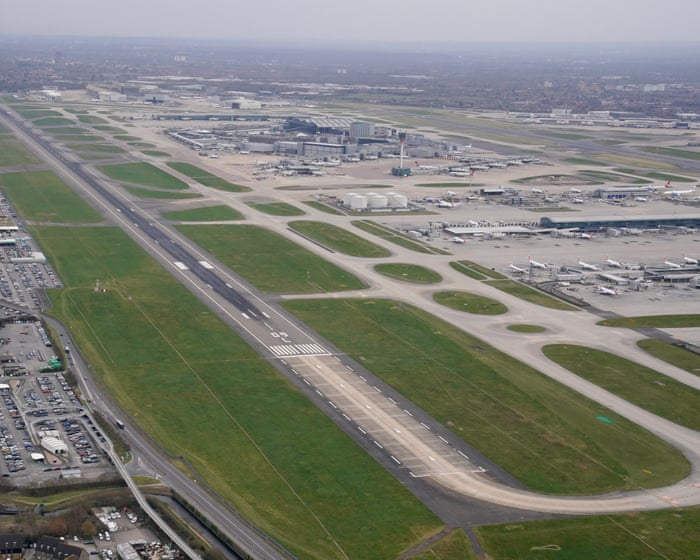
- •German officials linked the closure to a drone attack near Leipzig Airport and broader concerns regarding Russian sabotage and cyberattacks.
- •Staff assigned from Russia to the center were ordered to leave Germany within seven days of the closure announcement.
- •The closure resulted in the reciprocal termination of the Goethe-Institut's operations in Russia.
In early September, Germany’s Foreign Ministry ordered the closure of the Russian House in Berlin, the largest Russian cultural center abroad. The decision followed allegations of Russian sabotage involving a drone attack near Leipzig Airport. The center, which had operated for over 40 years, remained open following Russia's invasion of Ukraine, but German authorities ultimately cited the security concerns as the final reason for its closure.
By the numbers
Background and Operational Status
The Russian House, located on Friedrichstraße, was established in 1984 as the House of Soviet Culture and Science. It served as a hub for Russian language courses, workshops, and cultural events. Despite EU sanctions placed on its parent agency, Rossotrudnichestvo, in 2022, the center continued to operate under strict financial limitations, including the freezing of its assets and supervision by the Bundesbank.
Sabotage and Intelligence Allegations
German authorities increasingly scrutinized the facility over concerns it served as a front for intelligence gathering and disinformation. Lawmakers pointed to unusual signal activity and high electricity consumption as potential indicators of technical intelligence operations. These suspicions intensified following reports of cyberattacks and a drone incident at Leipzig Airport, which officials linked to Russian sabotage.
Diplomatic Agreements and Closure
The center’s operations were previously protected by reciprocal agreements signed in 2011 and 2013, which also governed the Goethe-Institut in Moscow. Germany had long resisted calls to close the Russian House to avoid jeopardizing the German institute. Following the closure of the Berlin center, Russian authorities halted the operations of the Goethe-Institut in Russia.
Advertisement
This article was independently rewritten by ManyPress editorial AI from reporting originally published by Meduza (English).