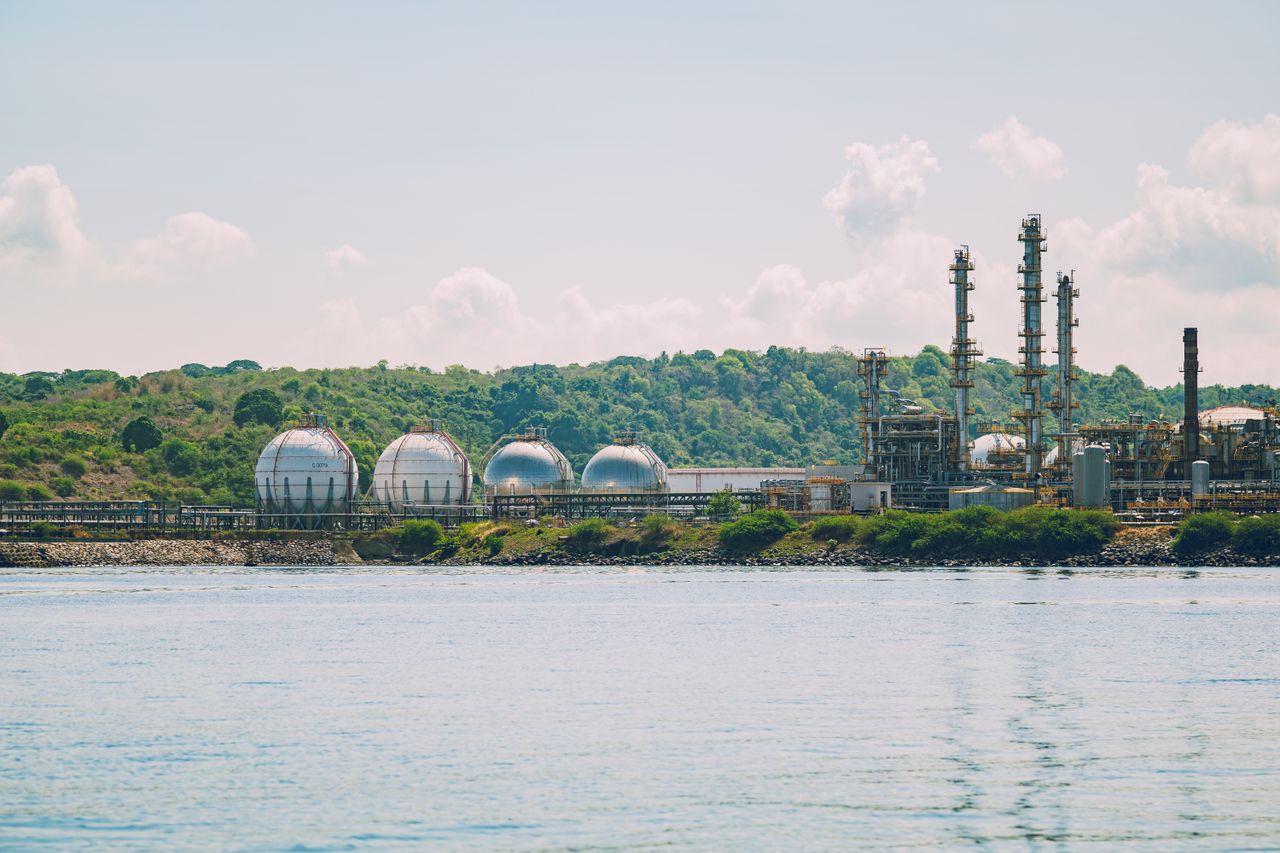
Germany's gas storage levels have sparked political debate, though government agencies and industry experts maintain that supply remains secure for the coming winter.
Key facts
- •Germany held 141 terawatt-hours of gas in storage as of mid-September 2026.
- •The Federal Network Agency reports that security of supply is currently guaranteed.
- •Gas prices on the futures market have risen from about €46 to over €80 per megawatt-hour.
- •Infrastructure improvements, including LNG terminals, have reduced dependency on single importers.
- •Industry experts suggest that future storage levels require better economic incentives.
As of mid-September 2026, Germany’s gas storage facilities held approximately 141 terawatt-hours, representing about 57% of total capacity. While some political figures have expressed concern over these levels, the Federal Network Agency and the Ministry for Economic Affairs and Energy state that the national gas supply remains stable and secure.
By the numbers
Differing Perspectives on Supply Security
Political criticism has emerged regarding the current storage status, with Bavaria's premier Markus Söder calling for federal intervention and the Green Party accusing the economy minister of negligence. Conversely, industry experts and government spokespeople emphasize that Germany’s energy infrastructure is more robust than in 2022 due to new LNG terminals and diversified import routes. Sebastian Heinermann of the gas storage association INES noted that while filling facilities to 77% is technically possible, current trends suggest a level of only 65% by November 1. However, Charlie Grüneberg of the German Gas and Hydrogen Industry association stated that those with secured contracts for the winter will receive their agreed quantities.
Economic Factors and Price Trends
The lack of a typical 'summer-winter spread'—the economic incentive to buy gas cheaply in summer to sell in winter—has contributed to lower storage levels this year. Prices have been affected by global market factors, including the closure of the Strait of Hormuz, with futures market prices rising from approximately €46 per megawatt-hour in the second quarter to over €80 recently. Experts suggest that while there is no immediate physical shortage, a cold winter or import disruptions could cause prices to rise further. Industry representatives are calling for better economic incentives and a reliable market framework to ensure sufficient storage levels in the future.
Advertisement
This article was independently rewritten by ManyPress editorial AI from reporting originally published by Deutsche Welle Business.