Germany is moving toward a more assertive trade policy with China as domestic industries face increased competition and declining export markets.
Key facts
- •German car exports to China plummeted by 66% between 2022 and 2025.
- •Imports of Chinese-made cars into Germany rose 121% in the first seven months of 2026.
- •The EU's goods deficit with China was approximately €360 billion last year.
- •A proposed agreement could cap Chinese hybrid vehicle exports to the EU at 350,000 units annually.
- •China dropped from Germany's second-largest export market in 2021 to its ninth in early 2026.
Germany has shifted its cautious approach toward Beijing, moving toward a more confrontational trade stance. Chancellor Friedrich Merz and French President Emmanuel Macron recently proposed a new EU tool to restrict market access for countries engaging in unfair trade practices. This policy pivot follows mounting pressure on German industries, including automotive and chemicals, as Chinese competition intensifies and export markets decline.
By the numbers
Declining Trade and Industrial Pressure
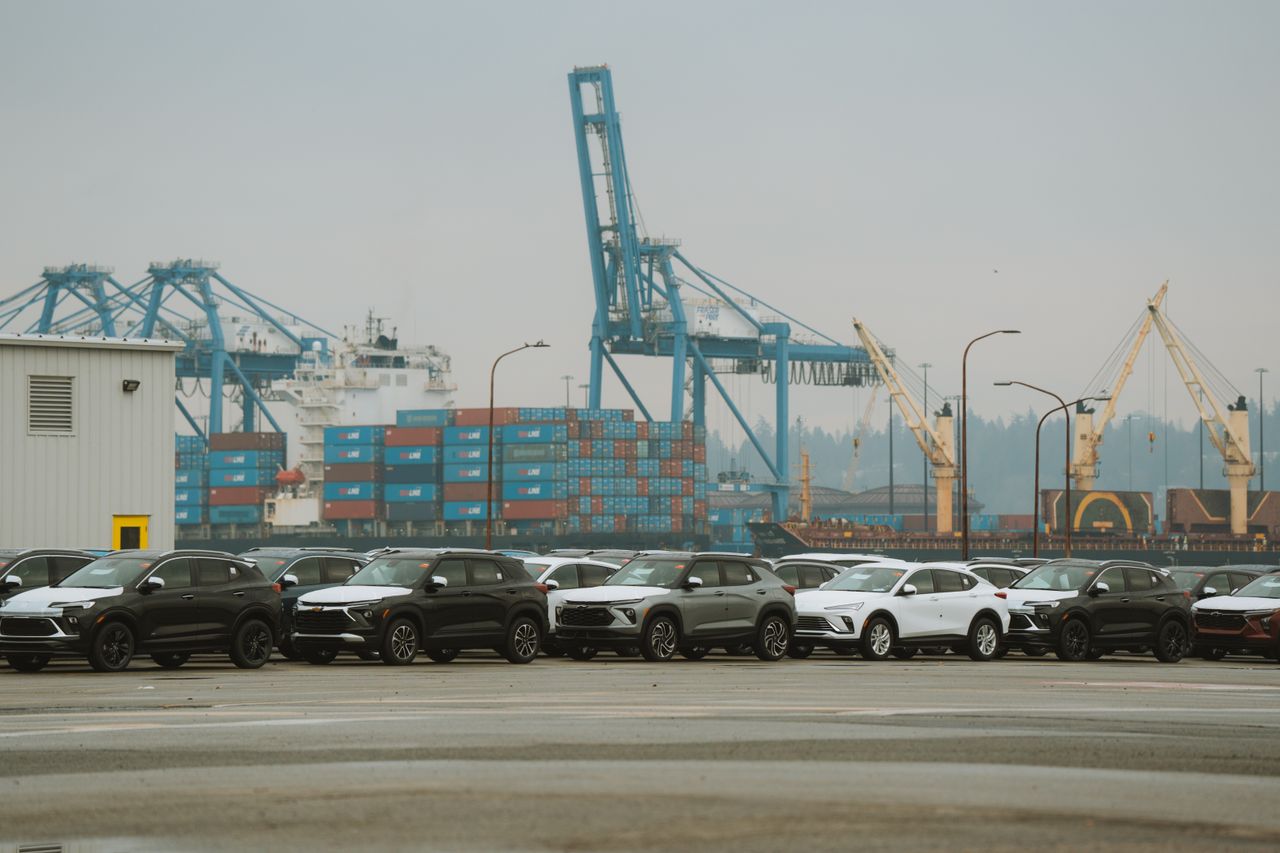
Germany's economic relationship with China has cooled significantly since 2021, with China dropping from Germany's second-largest export market to its ninth by the first half of 2026. German car exports to China fell by 66% between 2022 and 2025, according to Rhodium Group data. Simultaneously, Chinese-made vehicle imports into Germany rose by 121% in the first seven months of 2026, accounting for nearly 14% of total vehicle imports.
Proposed Trade Defenses and Negotiations
The proposed EU 'kill-switch' tool is intended to counter practices that undermine fair market conditions. While China's Commerce Ministry warned of consequences, the EU and China reached a 'shared understanding' during recent trade talks in Beijing. This agreement could cap Chinese exports of hybrid and plug-in hybrid vehicles to the EU at 350,000 units annually, with a 6% annual increase over four years. EU Trade Commissioner Maros Sefcovic noted this as a step toward managing the trade relationship.
Strategic Concerns and Leverage
Berlin remains concerned that China could implement export curbs on rare earth minerals, which are critical for German automotive and defense manufacturing. Despite these risks, analysts suggest the EU holds significant leverage, as the EU remains a more critical export market for China than the United States. In the first half of 2026, Chinese exports to the EU totaled $254 billion, compared to $172 billion to the U.S.
Advertisement
This article was independently rewritten by ManyPress editorial AI from reporting originally published by Deutsche Welle Business.