A massive glacial collapse has caused widespread flash flooding across the Nepal-China border, leaving hundreds dead and nearly 1,000 people missing.
Key facts
- •The U.S. Geological Survey identified the event as a magnitude 5.2 glacial collapse rather than an earthquake.
- •At least 165 people are confirmed dead, with 162 in Nepal and three in Tibet.
- •Foreign nationals missing include 133 Indians, 47 Americans, 34 Australians, 33 Britons, and 24 Canadians.
- •The Lhende Khola river system has now experienced two major flood events within a 14-month period.
- •Malaysia reported 55 citizens are currently unreachable in the region due to infrastructural damage.
A catastrophic glacial collapse has triggered severe flash floods and mudslides across the border region of Nepal and Tibet, resulting in at least 165 confirmed deaths. Authorities report that nearly 1,000 people remain missing following the disaster, which destroyed infrastructure and buried communities under heavy debris. The event, which occurred on Wednesday, has prompted international concern as rescue efforts struggle to reach affected areas.
By the numbers
Scale of the Disaster
Official reports indicate that 162 people died in Nepal, while three fatalities were recorded in Tibet. The number of missing individuals remains high, with Chinese state media reporting 558 people missing in Tibet, including 260 foreign nationals. In Nepal, officials initially reported 403 missing, a figure that included 341 foreigners. Among the missing are citizens from Australia, the United States, Britain, Canada, and India, many of whom were traveling as part of pilgrimage or hiking groups.
Cause and Environmental Context
While early reports suggested a magnitude 4.4 earthquake, the U.S. Geological Survey later clarified that the seismic activity was actually a magnitude 5.2 glacial collapse. Experts from the International Centre for Integrated Mountain Development confirmed that an avalanche from a glacier likely initiated the flood wave, which moved with exceptional speed and magnitude. This disaster follows a similar event in August of the previous year, when a glacial lake overflowed due to high temperatures, highlighting the increasing instability of the Himalayan ice system.
Impact on Infrastructure and Rescue
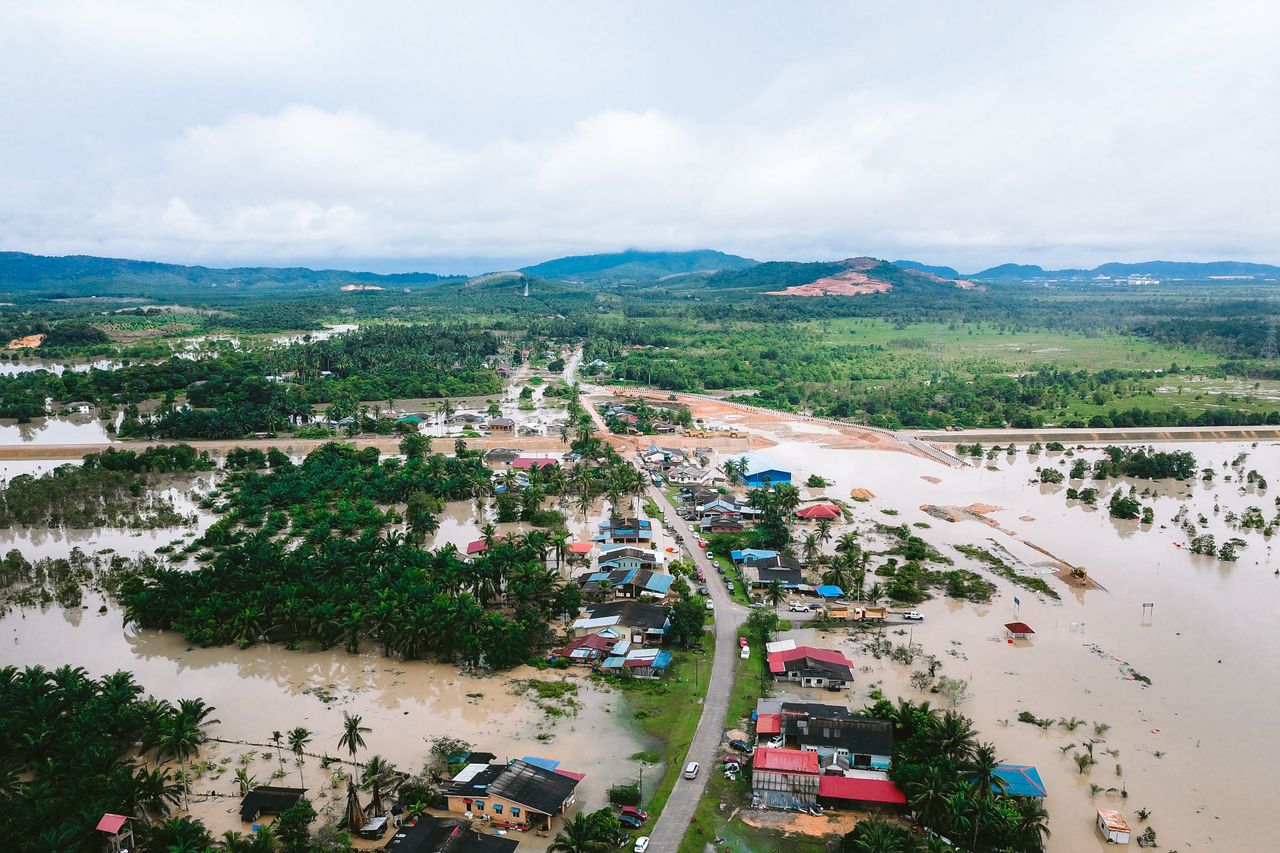
Drone footage from the affected areas shows roads destroyed and buildings in districts like Nuwakot submerged in mud. The torrent buried vehicles and damaged critical travel corridors, complicating rescue operations. While the Nepalese government has not formally requested international assistance, countries including Australia are coordinating with the United Nations and the Red Cross to manage the humanitarian response. Malaysia has also reported that 55 of its citizens are currently unreachable due to the destruction of local infrastructure.
Timeline
- August 2025A glacial lake overflowed in Tibet, killing nine people and damaging infrastructure.
- Wednesday, August 26, 2026A glacial collapse triggered flash floods and mudslides across the Nepal-Tibet border.
- Thursday morningChinese state media and Nepalese officials released updated casualty and missing person figures.
Advertisement