
Google DeepMind has open-sourced its WeatherNext AI models, which generate multiple storm intensity scenarios to assist meteorologists in hurricane prediction.
Key facts
- •Google DeepMind is open-sourcing its WeatherNext models used during the hurricane season.
- •The AI model now generates 1,000 potential storm scenarios, up from 50 last year.
- •Researchers believe the model detects patterns in lower-resolution data that are not yet fully understood.
- •Meteorologists stress that human experts are still required to interpret forecasts and determine potential impacts.
- •The model is intended to be used alongside existing numerical models rather than as a standalone replacement.
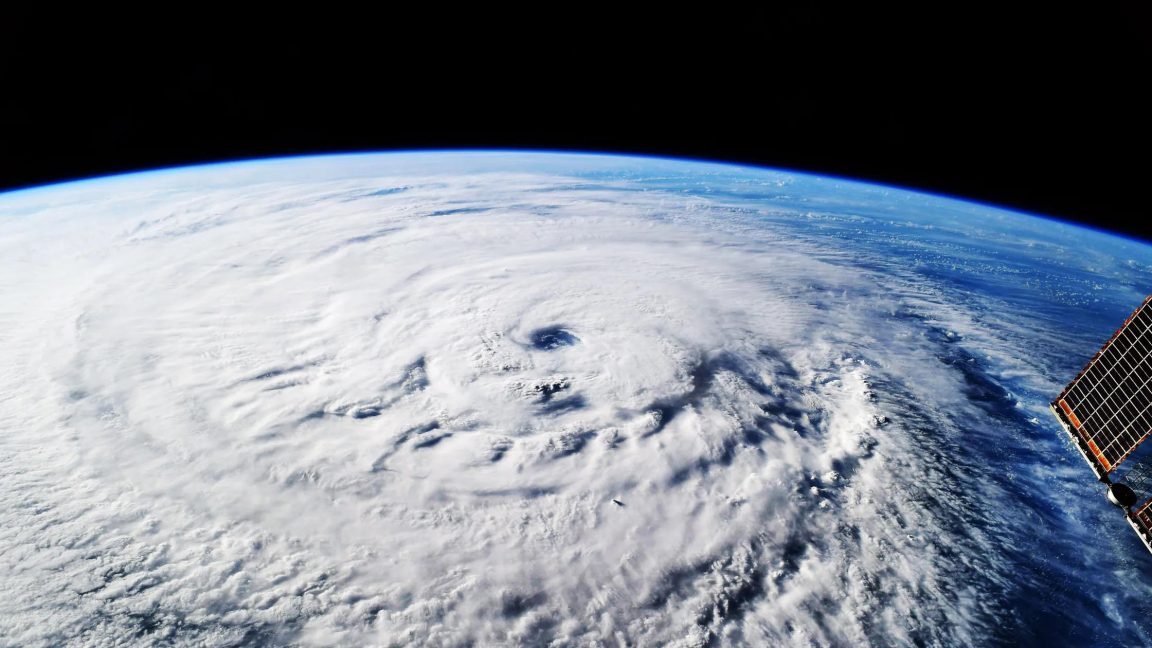
Google DeepMind is making its WeatherNext AI models available to the research community to help improve hurricane forecasting. The models generate a wide range of potential storm scenarios, allowing forecasters to better account for variables that might influence storm intensity. Researchers hope that opening the technology to the public will lead to new scientific insights into cyclone behavior.
By the numbers
AI Capabilities in Storm Prediction
The WeatherNext model functions by producing 1,000 potential scenarios for a developing storm, a significant increase from the 50 scenarios it generated last year. Researchers note that this capacity exceeds the limits of current numerical models, which are constrained by existing computing power. The AI appears to identify patterns in lower-resolution data that allow for intensity predictions, though the specific mechanisms remain unclear to developers.
Integrating AI into Forecasting
Experts emphasize that the AI serves as a supplementary tool rather than a replacement for human meteorologists. While the model provides data on tracks and intensity, human experts remain necessary to translate those forecasts into potential real-world impacts. Meteorologists caution that a model's past performance does not guarantee future accuracy, noting that the human element is essential for assessing the actual risks to people.
Advertisement
This article was independently rewritten by ManyPress editorial AI from reporting originally published by Ars Technica.


