The Nobel Prize in Chemistry honors researchers for solving the century-old mystery of how life selectively produces specific mirror-image molecules.

ManyPress
ManyPress Editorial
Key facts
- •Henri B. Kagan is affiliated with Université Paris-Sud, and Kenso Soai is with the Tokyo University of Science.
- •The Nobel Prize in Chemistry carries a monetary award of 12 million Swedish kronor, approximately €1.09 million.
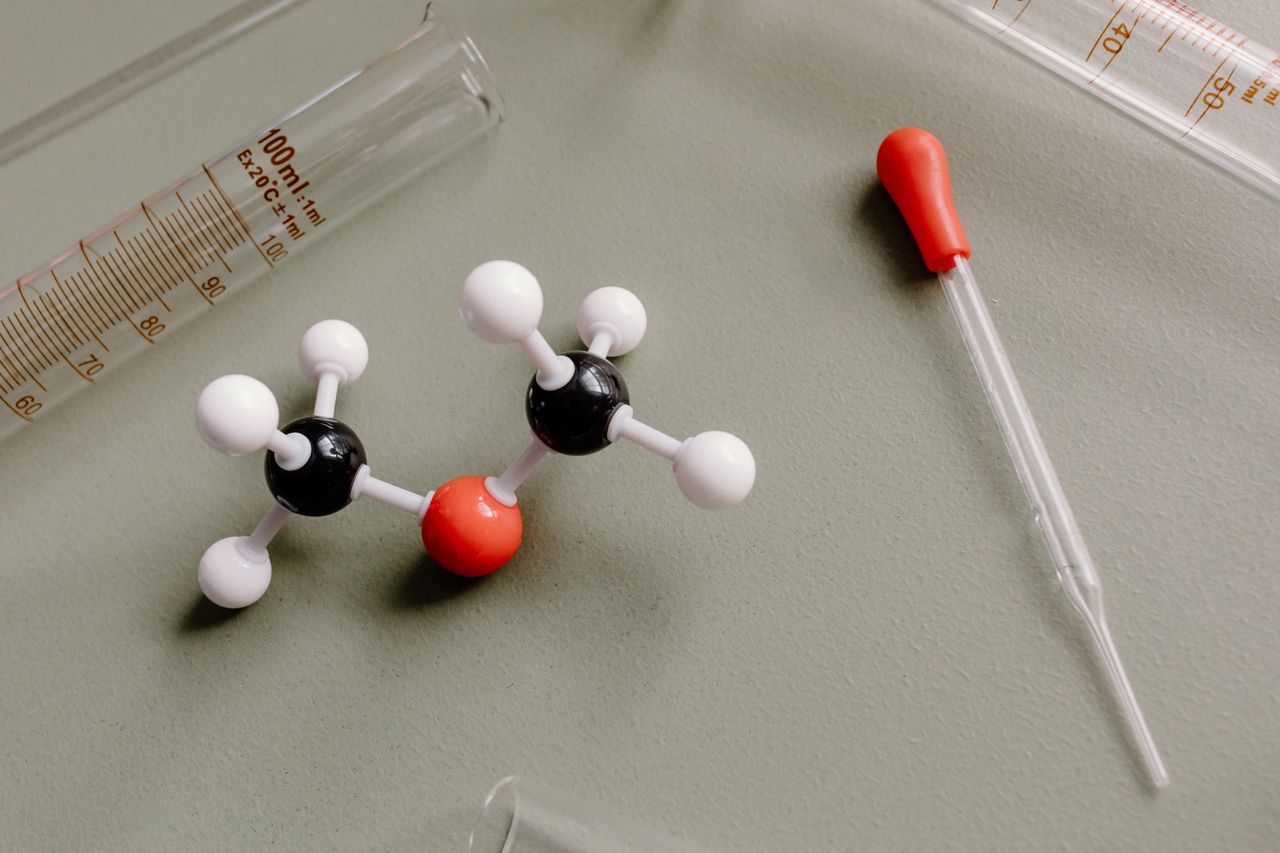
- •Chirality refers to the existence of molecules in two mirror-image forms, often categorized as dextro (D) and levo (L).
- •The Nobel Committee noted that the laureates' work is decisive for chemists designing reactions for the manufacture of pharmaceuticals.
- •The official award ceremony is scheduled for December 10, the anniversary of Alfred Nobel's death.
The Royal Swedish Academy of Sciences has awarded the 2026 Nobel Prize in Chemistry to French scientist Henri B. Kagan and Japanese researcher Kenso Soai. The laureates were recognized for their discovery of non-linear effects and autocatalysis in asymmetric organic synthesis, providing a solution to the long-standing chemical mystery of how homochirality emerges spontaneously in nature.
By the numbers
The Mystery of Molecular Chirality
Many molecules, including amino acids, exist in two forms that are non-identical mirror images of each other, a property known as chirality. While standard laboratory chemical reactions typically produce a 50-50 mix of these left- and right-handed forms, living organisms on Earth exclusively utilize one specific version. This selectivity is critical for biological function, as enzymes are often evolved to interact with only one handedness of a molecule. Kagan and Soai developed chemical reactions that allow for the production of a significant excess of a desired molecular version. Heiner Linke, chair of the Nobel Committee for Chemistry, described their work as a solution to a mystery over a century old, noting that the reactions they developed are spectacular.
Pharmaceutical Applications
The ability to control molecular handedness is essential for the pharmaceutical industry. Because mirror-image molecules can behave differently within the human body, one version may provide therapeutic benefits while the other is ineffective or harmful. The committee cited the historical development of Thalidomide as an example of these risks; the drug was prescribed to pregnant women in the 1950s, but because it contained a mixture of mirror-image molecules, one form caused severe disabilities in children.
Timeline
- 1896Alfred Nobel, the founder of the prizes, died.
- 1950sThalidomide was prescribed to pregnant women, leading to severe health consequences due to its chiral properties.
- 10 DecemberThe 2026 Nobel Prize award ceremony will be held.
Advertisement
This article was independently rewritten by ManyPress editorial AI from reporting originally published by BBC Science & Environment, Euronews Health, Ars Technica.