Thousands of civilians are fleeing to makeshift camps in Taiz province as Houthi militants launch a new offensive along Yemen's Red Sea coast.

ManyPress
ManyPress Editorial
Key facts
- •The IOM estimates that 82,164 people have been displaced in Yemen since the start of September.
- •The Houthi offensive is targeting the Red Sea coastline, threatening control over the Bab el-Mandeb Strait.
- •Yemen has been in a state of civil war since the Houthis seized the capital, Sanaa, in 2014.
- •A 2022 U.N.-brokered truce, which largely halted major fighting, has expired without a lasting political settlement.
- •The Houthi forces have evolved from mountain fighters into a group equipped with drones and missiles.
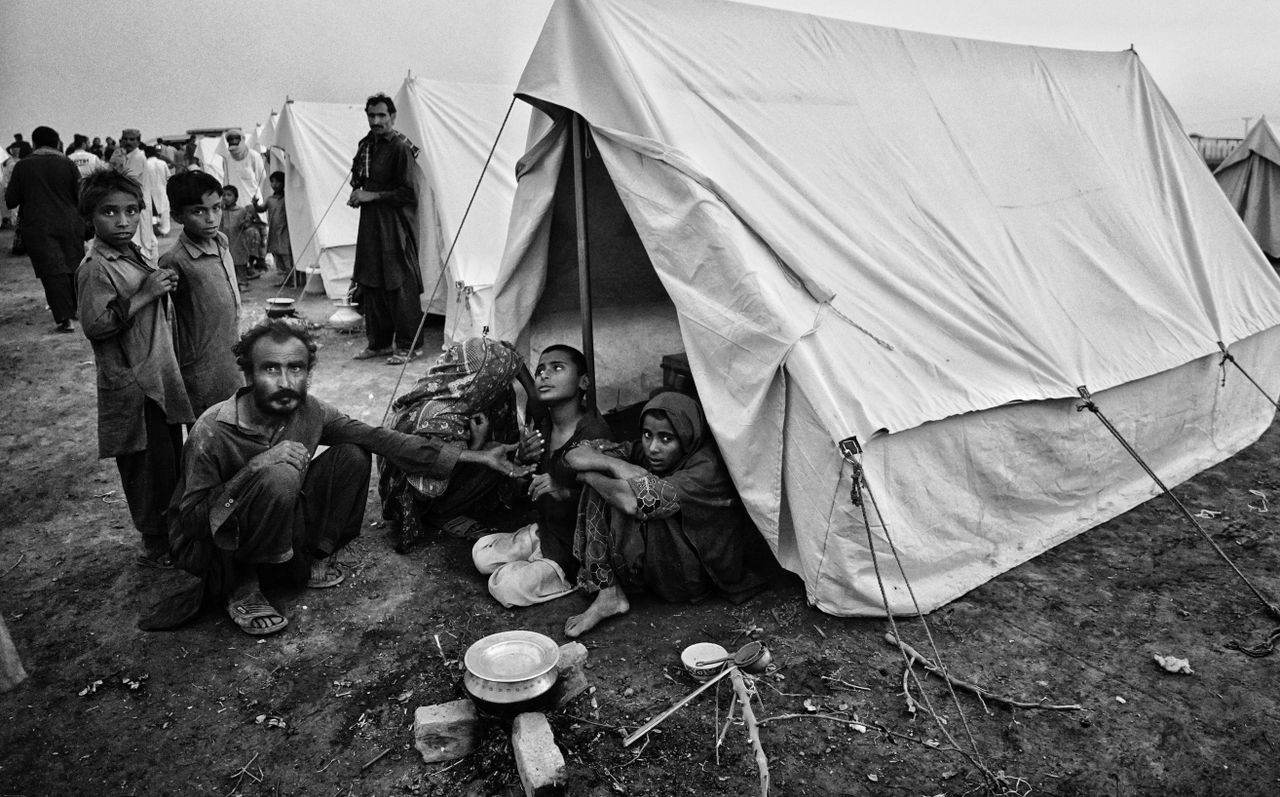
Houthi militants have launched a lightning offensive along Yemen's Red Sea coastline, forcing thousands of civilians to flee their homes. The advance has pushed many displaced people into makeshift camps in the southwest province of Taiz, further straining a country already grappling with one of the world's largest humanitarian crises.
Humanitarian Impact of the Offensive
The International Organization for Migration (IOM) reports that 82,164 people have been displaced in Yemen since the beginning of September. Many of these individuals have been displaced multiple times, with some attempting to flee the country entirely by crossing the sea. IOM Director General Amy Pope noted that the crisis is overwhelming, stating that many families have lost everything as they navigate the conflict-torn region. For many civilians, the fighting has resulted in family separation. Aisha Muhammad, who arrived in Taiz after escaping coastal areas, reported that her five children remain trapped in their home, unable to reach her due to the ongoing violence. Residents describe the current situation as a dangerous environment where movement is restricted by active combat.
Strategic and Regional Implications
The Houthi movement, which already controls the majority of northern Yemen and its most populous regions, has expanded its operations by opening a second theater of war. This western offensive places the group in a position to exert greater control over the Bab el-Mandeb Strait, a critical chokepoint for global oil and commodities shipping. Analysts suggest this development strengthens Tehran's position in its ongoing conflict with the United States. The current escalation follows years of instability that began when the Houthis seized the capital, Sanaa, in 2014, leading to a Saudi-led military intervention in 2015. While a 2022 U.N.-brokered truce significantly reduced major hostilities, efforts to establish a permanent political settlement have stalled as regional tensions have risen, particularly following attacks on Iran by the U.S. and Israel earlier this year.
Timeline
- 2014Houthi militants seized the Yemeni capital of Sanaa.
- 2015A Saudi-led military intervention began in response to the Houthi takeover.
- 2022A U.N.-brokered truce was established, which later expired.
- September 2024Houthi forces launched a new offensive along the Red Sea coastline.
Advertisement
This article was independently rewritten by ManyPress editorial AI from reporting originally published by Al-Monitor, Straits Times World.