A guide on observing the lunar eclipse phenomenon known as a 'Blood Moon'.
Key facts
- •A Blood Moon occurs during a total lunar eclipse when the Earth blocks direct sunlight.
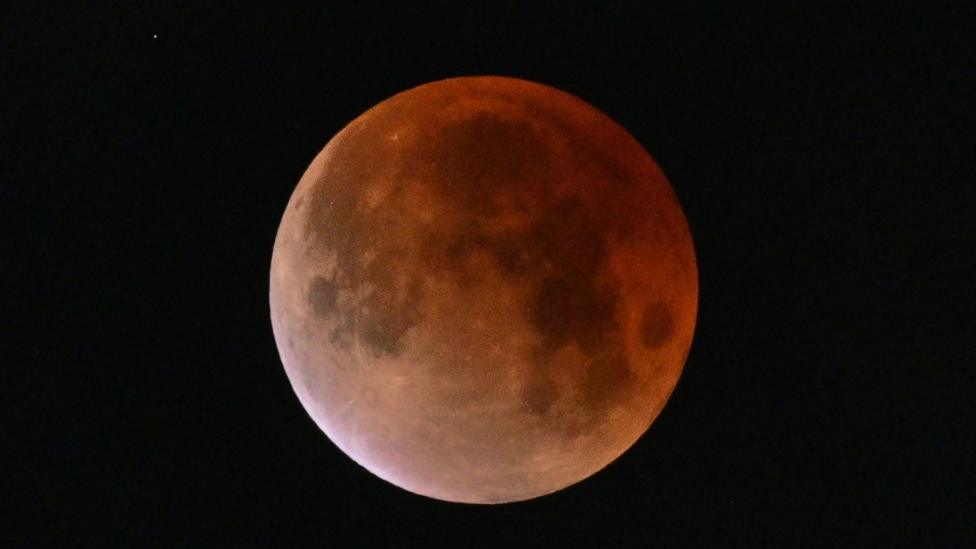
- •The moon appears red because of sunlight filtering through the Earth's atmosphere.
- •No special protective eyewear or equipment is required to view a lunar eclipse.
- •Binoculars or telescopes can provide a clearer view of the moon during the event.
A 'Blood Moon' lunar eclipse is a celestial event that occurs when the moon passes into the Earth's shadow. Observers can view this phenomenon as the moon takes on a reddish hue during the eclipse process.
Understanding the Blood Moon
The term 'Blood Moon' refers to the appearance of the moon during a total lunar eclipse. As the Earth moves directly between the sun and the moon, it blocks sunlight from reaching the lunar surface. The reddish color is caused by sunlight filtering through the Earth's atmosphere, which scatters shorter blue wavelengths and allows longer red wavelengths to reach the moon.
Observing the Eclipse
Viewing a lunar eclipse does not require special equipment, unlike a solar eclipse. Observers can watch the event with the naked eye, though binoculars or a telescope can enhance the view of the moon's surface features as it darkens.
Advertisement
This article was independently rewritten by ManyPress editorial AI from reporting originally published by BBC Science & Environment.