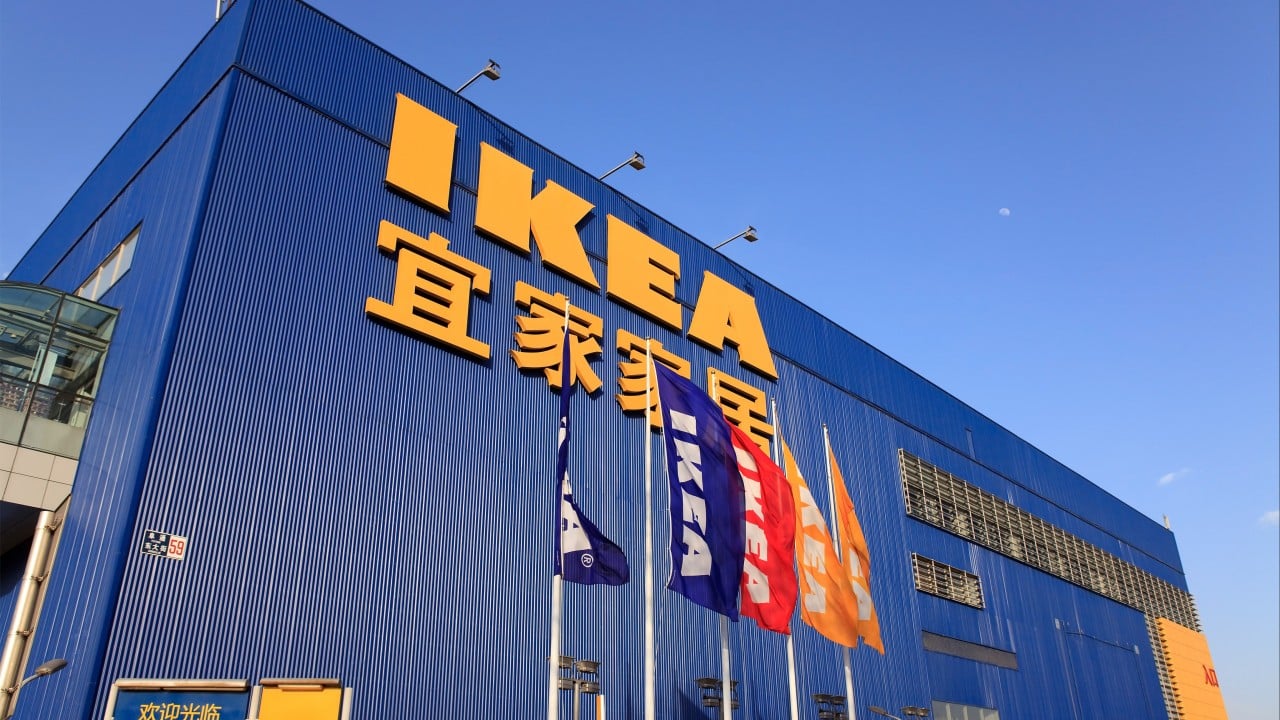
Ingka Group has hired JLL to sell eight former Ikea retail properties in mainland China, marking the company's largest asset disposal in the market in nearly 30 years.
Key facts
- •Ingka Group hired JLL to sell eight former retail properties in mainland China.
- •Seven of the stores closed in February, while the Guiyang site closed in 2022.
- •The Shanghai property was formerly Ikea's largest store in Asia at 105,000 square metres.
- •The sites are located across seven different Chinese cities and provinces.
- •Ikea China described the sale as part of an ongoing review of its omnichannel ecosystem.
Ingka Group, the parent company of Ikea, has appointed property consultancy JLL as the sole sales agent for eight retail properties in mainland China. This move represents the largest asset disposal for the furniture brand since it began operations in the country nearly three decades ago.
Details of the Properties
Seven of the sites were Ikea stores that closed in February, while the eighth site in Guiyang has been vacant since its closure in 2022. The properties are located in Shanghai, Guangzhou, Tianjin, Harbin, Nantong, Xuzhou, and Ningbo. The Shanghai location was previously Ikea’s largest store in Asia, spanning approximately 105,000 square metres.
Market Context and Future Use
The sale follows challenges in China’s property market and a decline in consumer spending, which have impacted demand for Ikea products. According to JLL, all eight properties are fully vacated with no outstanding lease agreements. The sites are available for immediate delivery and could be repurposed as rental apartments, shopping malls, cultural centers, or corporate offices. Ikea China stated that the disposal is part of an effort to optimize its omnichannel operations.
Timeline
- 2022The Ikea store in Guiyang closed.
- FebruarySeven Ikea stores ceased operations.
- Last weekJLL disclosed details regarding the property sales.
Advertisement
This article was independently rewritten by ManyPress editorial AI from reporting originally published by South China Morning Post.