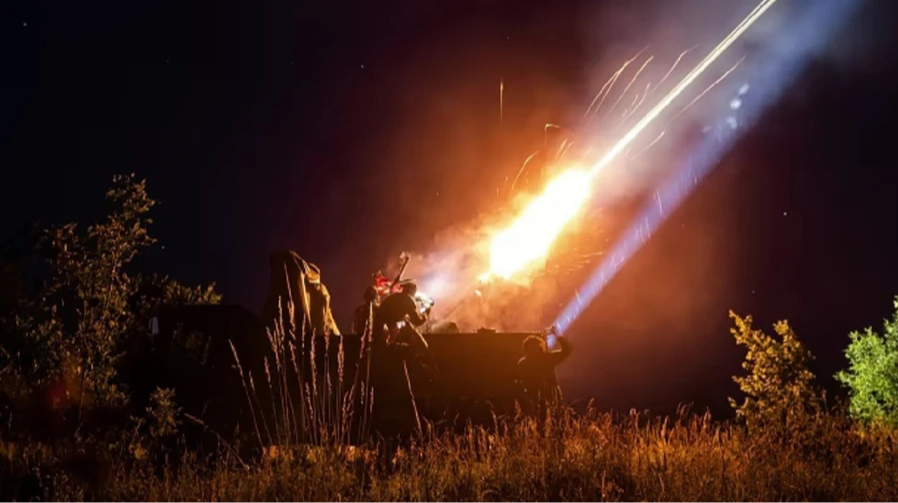
Experts assess how the U.S. war with Iran has influenced diplomatic and military relations with South Korea and India.
Key facts
- •South Korea has pledged political and logistical support rather than direct military aid for operations in the Strait of Hormuz.
- •President Donald Trump has criticized South Korea's refusal to join U.S. military efforts in the region.
- •The redeployment of Patriot batteries from South Korea to the Middle East has caused anxiety regarding U.S. military commitments in Asia.
- •India maintains a position against Iranian nuclear development but did not support the initial U.S.-Israeli strikes.
The U.S. conflict with Iran has created political and military consequences extending beyond the Middle East. Experts are evaluating how these developments have impacted U.S. bilateral relations with key nations, including South Korea and India.
South Korea's Strategic Concerns
South Korea has declined to assist in U.S. military operations to reopen the Strait of Hormuz, offering political and logistical support instead. This stance has faced criticism from President Donald Trump and triggered internal debates regarding South Korea's global security role. Concerns have also grown regarding U.S. extended deterrence. The redeployment of Patriot batteries from South Korea to the Middle East raised fears about the potential for U.S. forces to be diverted during a regional crisis, such as a conflict involving North Korea or Taiwan. Additionally, U.S. efforts to negotiate directly with Iran have led to concerns in Seoul that Washington might prioritize its own interests over those of its allies during future contingencies.
India's Stance on the Conflict
While India opposes the development of nuclear weapons by Tehran, there was limited support within New Delhi for the initial military strikes conducted by the United States and Israel.
Advertisement
This article was independently rewritten by ManyPress editorial AI from reporting originally published by War on the Rocks.