Neil Rimer, co-founder of Index Ventures, suggests that the massive wealth generated by AI will likely face redistribution, either through voluntary philanthropy or government intervention.
Key facts
- •Neil Rimer co-founded Index Ventures, a firm that has raised approximately $15 billion since its inception.
- •The Giving Pledge saw only four new families sign on in 2024, compared to 113 in its first five years.
- •Forbes identified 45 new AI billionaires in its 2026 rankings, with a combined net worth of $2.9 trillion.
- •The share of wealth held by the top 1% of U.S. households reached 31.7% in the third quarter of last year.
- •Rimer previously chaired the board of Human Rights Watch from 2019 to 2025.
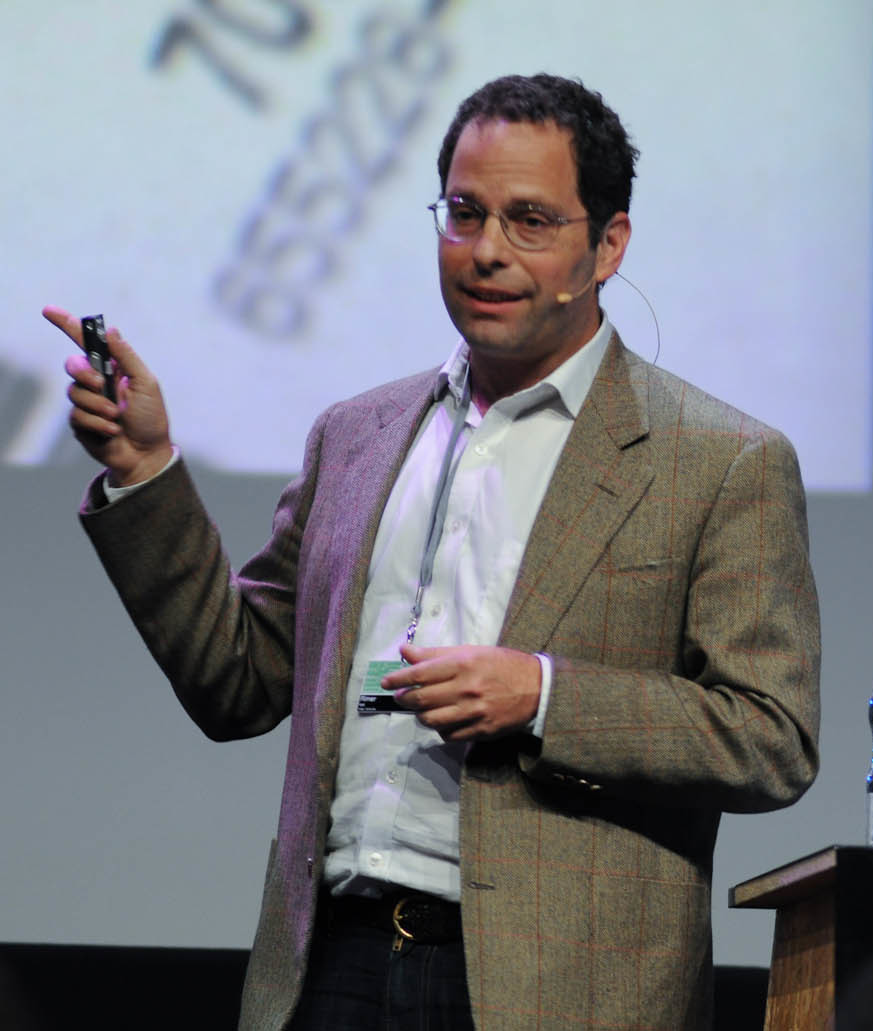
Neil Rimer, co-founder of the venture capital firm Index Ventures, stated in late May that he anticipates a redistribution of the wealth currently accumulating in the AI sector. Rimer expressed a preference for this redistribution to be voluntary, suggesting that tech leaders should take a proactive role in managing it. He noted that if voluntary efforts fail, involuntary measures are likely to follow.
By the numbers
Trends in Philanthropy and Wealth
The call for redistribution comes as traditional philanthropy, such as the Giving Pledge, has seen a decline in new signatories. Data from the Stanford Social Innovation Review indicates that while total American charitable giving reached a record $592.5 billion in 2024, the number of individual donors has decreased for five consecutive years. Additionally, Bank of America and Lilly Family School data shows that giving among affluent households dropped from 90% in 2017 to 81% last year.
Legislative and Economic Pressures
As voluntary giving wanes, some jurisdictions are considering legislative alternatives. California voters are set to decide on a one-time 5% wealth tax targeting billionaires. Meanwhile, OpenAI has reportedly discussed offering the federal government a 5% equity stake, a move framed by CEO Sam Altman as sharing AI's benefits with the public. Economists and critics, however, remain divided on the efficacy of such measures, noting that many countries have previously repealed wealth taxes after seeing wealthy residents relocate.
Historical Context of Wealth Concentration
Rimer’s perspective is informed by historical patterns of wealth concentration. He compared the current environment to the Gilded Age, noting that while the top 1% of U.S. households held 31.7% of wealth in the third quarter of last year, the concentration among the very wealthiest is significant. Economist Gabriel Zucman calculates that the 19 largest U.S. fortunes now represent 14% of the country's GDP, compared to the four largest fortunes representing 4% of GDP around 1910.
Advertisement
This article was independently rewritten by ManyPress editorial AI from reporting originally published by TechCrunch.