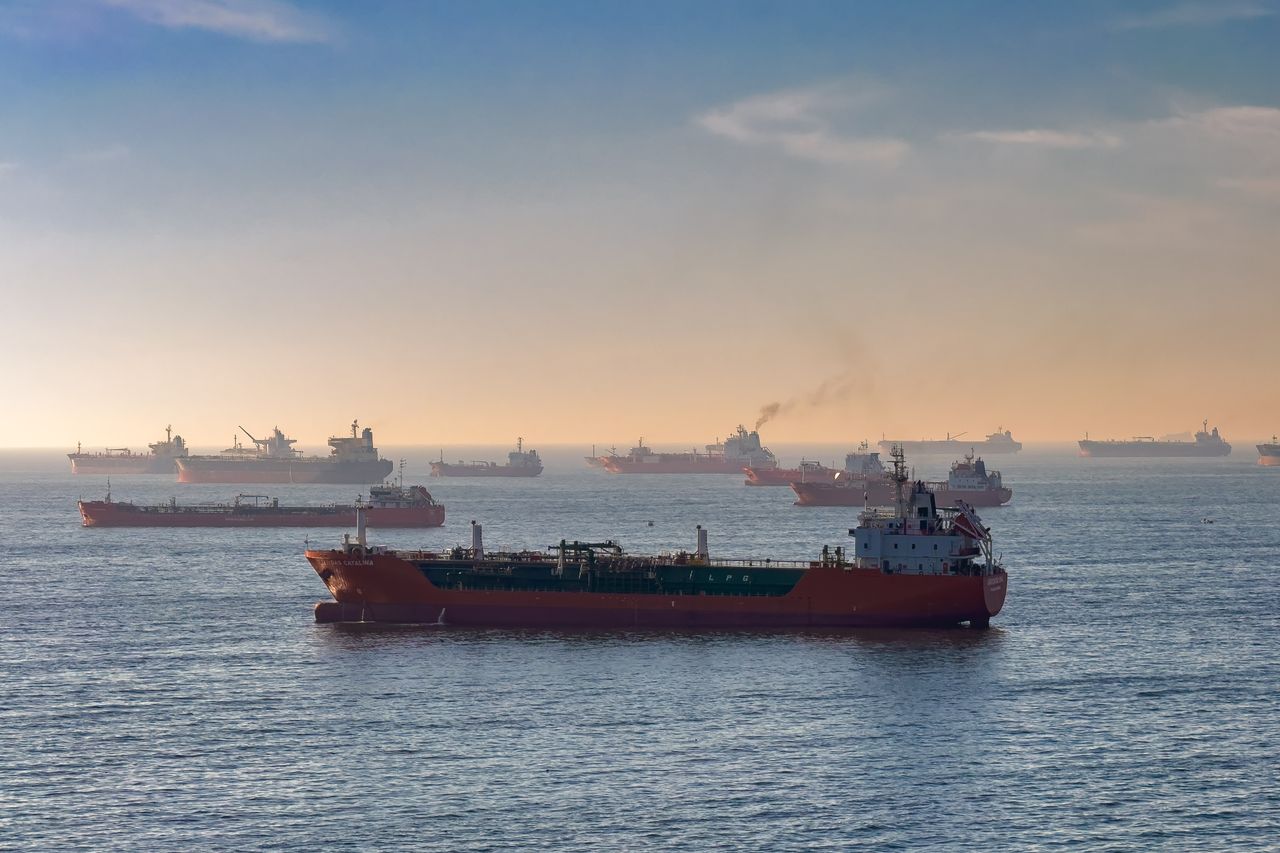
Renewed fighting between the US and Iran has halted traffic in the Strait of Hormuz, threatening global energy supplies and forcing producers to seek alternative export routes.
Key facts
- •The US has revoked a sanctions waiver that previously allowed Iran to sell its oil.
- •Iran has reportedly demanded that ships use a northern route through its territorial waters.
- •The US Navy is currently escorting vessels through a southern route near the coast of Oman.
- •MARISKS, a maritime risk-management firm, warned that Iran is threatening Gulf oil infrastructure including refineries and pipelines.
- •Expanding pipeline capacity to bypass the strait would require years of construction and billions of dollars in investment.
Traffic in the Strait of Hormuz has nearly stopped this week as military conflict between the US and Iran intensifies. Iran has launched attacks on tankers and military facilities in Bahrain, Kuwait, and Jordan, while the US has responded with strikes and a naval blockade of Iranian ports. A preliminary ceasefire agreement signed in June is no longer in effect, leading to heightened risks for regional energy infrastructure.
By the numbers
Impact on Global Energy Flows
The Strait of Hormuz serves as a critical gateway for approximately 20% of the world's oil and 20% of global liquefied natural gas. Before the conflict escalated, the waterway saw an average daily flow of 20 million barrels of oil. By the first quarter of this year, that volume had dropped to 14.6 million barrels per day, with further sharp declines reported recently.
Producers Seek Alternative Routes
Oil and gas producers are attempting to bypass the strait using existing pipelines, such as Saudi Arabia's East-West Pipeline and the United Arab Emirates' Abu Dhabi Crude Oil Pipeline. However, these alternatives have a combined maximum capacity of 8.8 million barrels per day, which is insufficient to replace normal volumes passing through the strait. Furthermore, analysts warn that these pipelines are also vulnerable to attacks, potentially extending the conflict to the Red Sea and the Bab el-Mandeb Strait.
Timeline
- February 28The war began, ending the status of the Strait of Hormuz as a toll-free international waterway.
- June 17A preliminary US-Iran ceasefire deal was signed, providing temporary relief for shipping.
- This weekTraffic in the strait nearly stopped following renewed attacks and military escalation.
Advertisement
This article was independently rewritten by ManyPress editorial AI from reporting originally published by Deutsche Welle Business.