As the US announces new sanctions on Iran, experts and trading partners assess the potential economic consequences and enforcement challenges.
Key facts
- •China accounted for 26.9% of Iran's exports in 2025, according to the International Trade Centre.
- •Pakistan is a key mediator in US-Iran peace talks but faces challenges in policing its 900km border against oil smuggling.
- •US Treasury Secretary Scott Bessent stated the sanctions are intended to block every potential source of Iranian revenue.
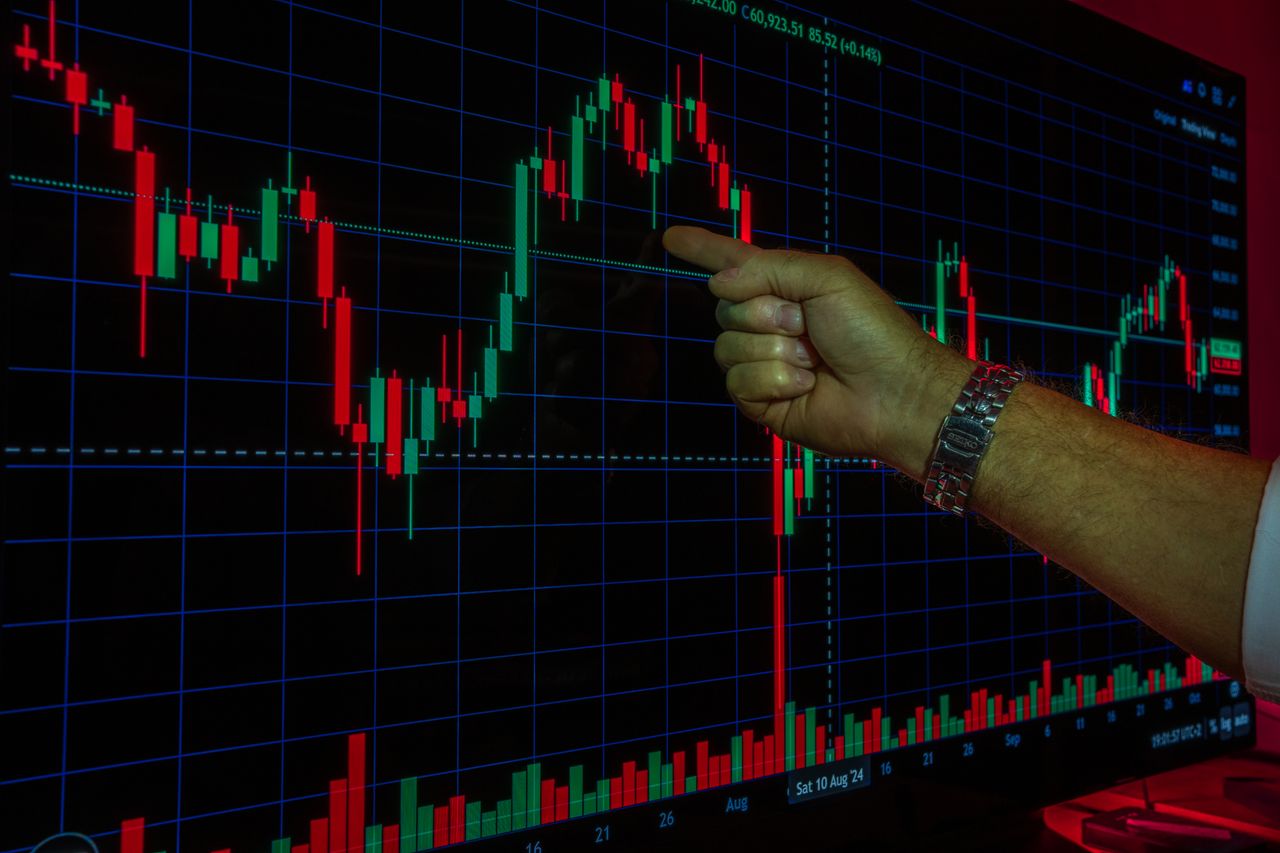
- •Global stock markets showed little reaction to the announcement, with major indexes remaining largely stable.
- •Experts suggest that the effectiveness of the new sanctions will depend on the US's ability to enforce penalties on other trading nations.
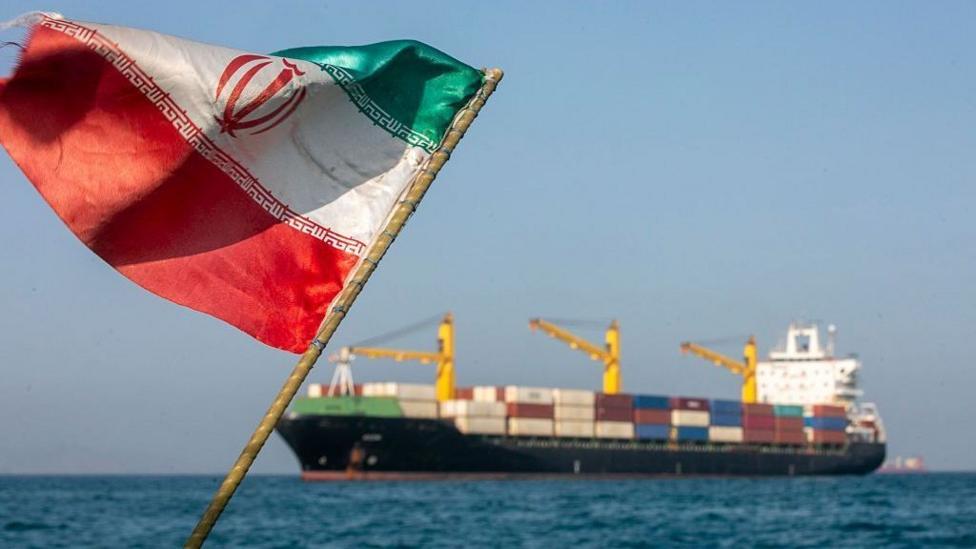
China remains Iran's largest export market, accounting for 26.9% of its exports in 2025 according to International Trade Centre data. Following the US announcement of "economic D-Day" sanctions, China stated its opposition to unilateral measures. Meanwhile, countries like Pakistan face a complex position as they balance trade ties with both Iran and the US while struggling to control illicit fuel smuggling across their shared 900km border.
By the numbers
Economic and Enforcement Challenges
US Treasury Secretary Scott Bessent stated that the new sanctions aim to block all potential revenue sources for Iran. However, analysts at Oxford Economics suggested the direct impact on Iranian revenue may be limited. Ali Vaez of the International Crisis Group noted that Iran is already subject to multiple layers of sanctions, shifting the focus to the US's ability to enforce penalties on nations that continue trading with Tehran. Experts also raised concerns regarding the humanitarian impact of these measures. Former State Department advisor Aya Ibrahim noted that such sanctions may primarily affect the civilian population by restricting access to basic necessities, while potentially incentivizing countries to find ways to circumvent the US-led financial system.
Market and Regional Response
Global markets have shown a muted reaction to the announcement. While global oil prices declined, they remain significantly higher than levels recorded before the conflict. Major stock indexes in the US, Europe, and Asia experienced minimal movement following the news. Pakistan, which shares a 900km border with Iran, faces significant pressure. While it is a major trade partner for Iran, its primary export partner is the US, creating a difficult diplomatic and economic balancing act. Furthermore, the Pakistani government has struggled to curb the smuggling of Iranian oil across its border, a practice that reports suggest has increased since the start of the conflict.
Advertisement
This article was independently rewritten by ManyPress editorial AI from reporting originally published by BBC Business.