A long-standing dispute over the legal status of the Okinotori feature has intensified following recent Sino-Russian military drills in the area.
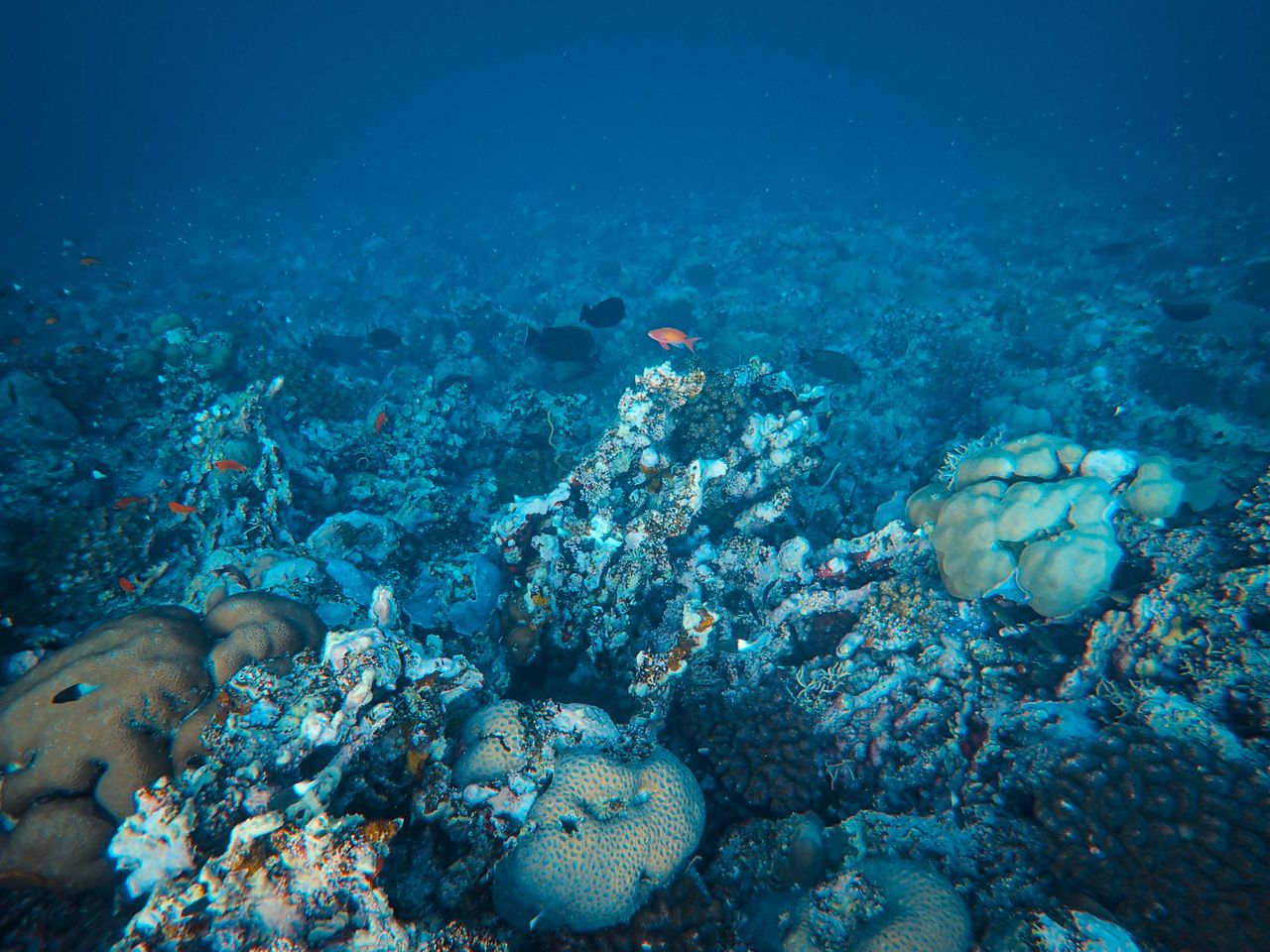
Key facts
- •Okinotori is an uninhabited feature located more than 1,000 miles south of Tokyo.
- •Japan claims a 150,000-square-mile exclusive economic zone based on the feature's status as an island.
- •China, South Korea, and Taiwan reject the island classification, arguing Okinotori is a rock.
- •Japan has spent over $600 million on erosion protection and monitoring infrastructure at the site.
- •None of the neighboring countries challenge Japan's sovereignty over the feature itself, only its legal maritime entitlements.
Japan recently protested live-fire drills conducted by China and Russia within the exclusive economic zone it claims around Okinotori, a remote feature located over 1,000 miles south of Tokyo. While Japan classifies Okinotori as an island entitled to an exclusive economic zone and continental shelf, China, South Korea, and Taiwan maintain it is merely a rock. The dispute highlights broader regional tensions involving maritime order and Japan's deepening security cooperation with the Philippines.
By the numbers
The Legal Dispute Over Okinotori
Okinotori consists of two rocks with a land area of less than 10 square meters at high tide. Japan argues that under the United Nations Convention on the Law of the Sea, the feature qualifies as an island capable of sustaining economic life. However, China and South Korea have formally objected to this status, arguing the feature cannot sustain human habitation. Because the Commission on the Limits of the Continental Shelf has no mandate to resolve this specific classification, the issue has remained unresolved for two decades.
Strategic Context and Regional Tensions
The recent military exercises are viewed as part of a broader Chinese response to Japan's increasing involvement in the South China Sea and its security partnerships with Manila and Taipei. China has paired its legal objections with an expanded physical presence, including patrols and drills, to assert its maritime claims. Meanwhile, Japan has strengthened its maritime security cooperation with the Philippines through the transfer of coast guard vessels and new bilateral agreements, including the 2025 Reciprocal Access Agreement.
Timeline
- 2004China first formally objected to Japan's claim that Okinotori is an island.
- 2012The Commission on the Limits of the Continental Shelf deferred a decision on Japan's submission regarding Okinotori.
- 2016An international arbitration ruling on the South China Sea established a test for defining islands versus rocks.
- May 2026Japan and the Philippines launched maritime boundary delimitation talks.
Advertisement
This article was independently rewritten by ManyPress editorial AI from reporting originally published by War on the Rocks.