President Emmanuel Macron is set to address the nation after widespread protests over living costs and public services resulted in significant damage and hundreds of arrests.

Key facts
- •President Macron is scheduled to address the nation at 8 p.m. on Sunday following an emergency meeting with Prime Minister Sébastien Lecornu.
- •Interior Minister Laurent Nuñez reported more than 2,000 people in custody and over 600 security personnel injured.
- •Protest turnout estimates vary, with authorities citing 550,000 participants and organizers claiming 800,000.
- •The unrest, which originated from student protests over school conditions, has evolved into a broader movement against the cost of living.
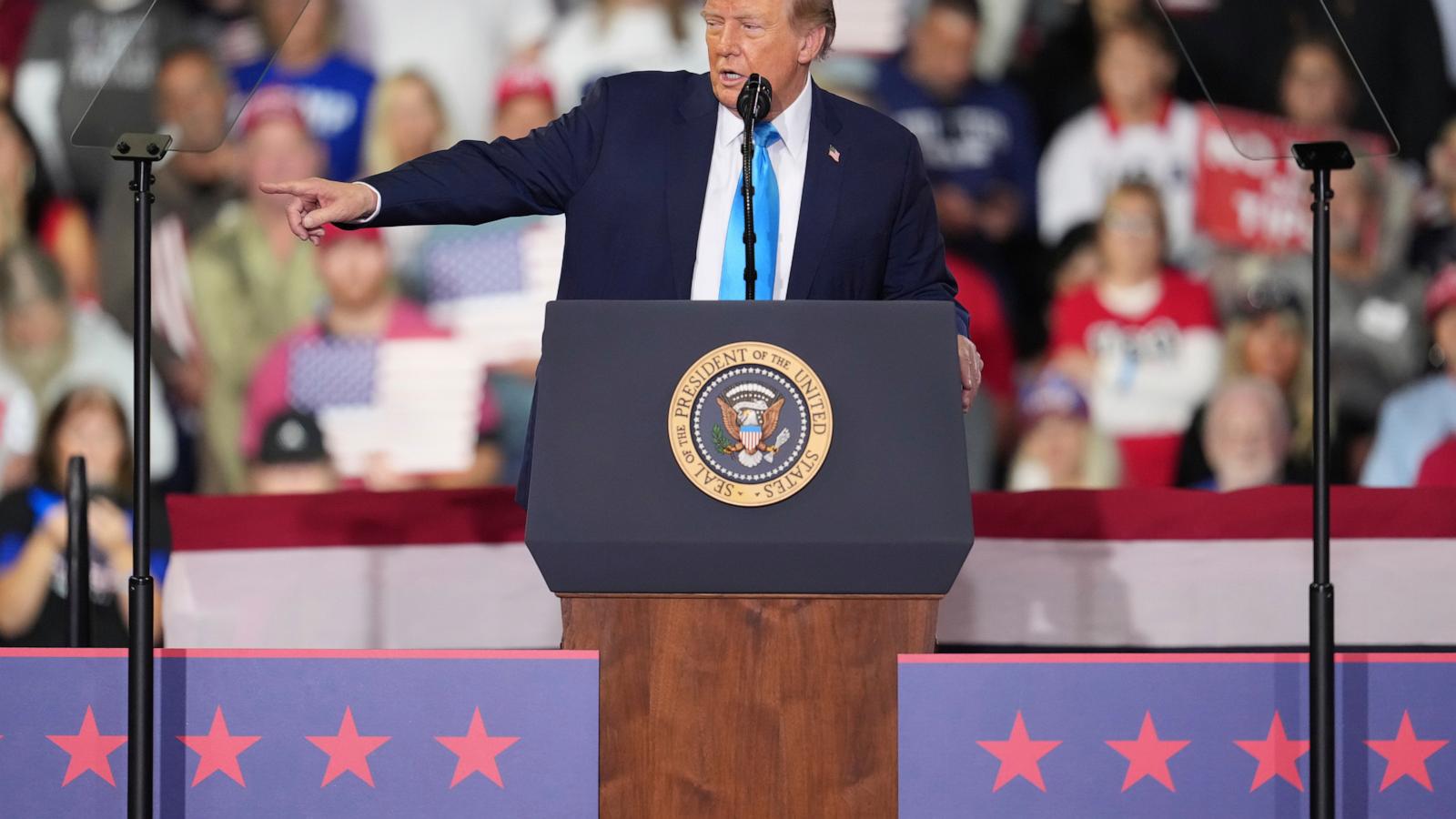
- •U.S. President Donald Trump and Vice President JD Vance both issued statements linking the violence to immigration policies.
French President Emmanuel Macron is scheduled to deliver a solemn address to the nation on Sunday evening following days of violent protests across France. The demonstrations, which began as student protests over school conditions, have expanded into a nationwide movement against rising living costs and the withdrawal of public services. The unrest has led to widespread property damage, hundreds of injuries among security forces, and thousands of arrests.
By the numbers
Scale of Unrest and Damage
The protests have resulted in significant destruction, with footage showing looted shops, smashed windows, and burned-out vehicles. In the central city of Limoges, rioters set fire to the 19th-century City Hall, causing its roof to partially collapse. Interior Minister Laurent Nuñez reported that over 600 police officers, gendarmes, and firefighters have been injured, while more than 2,000 people have been taken into custody. One demonstrator died after suffering a heart attack during the events.
Political Context and International Reaction
The protests have become a central political issue as the campaign for next year’s presidential election intensifies. The movement has drawn participants from diverse groups, including students, labor unions, Yellow Vests, and ordinary citizens. U.S. President Donald Trump commented on the situation via social media, blaming migration for the unrest and urging France to close its borders. U.S. Vice President JD Vance also addressed the events, characterizing them as a failure of Western liberal policies regarding assimilation.
Advertisement
This article was independently rewritten by ManyPress editorial AI from reporting originally published by Economic Times, Politico Europe.