A study of the 'Open Dialogue' approach shows it can significantly lower psychiatric hospital admissions and improve patient-reported recovery outcomes.

Key facts
- •Patients receiving Open Dialogue treatment were three times less likely to be admitted to a psychiatric hospital.
- •The study involved 500 patients who had approached mental health services while in crisis.
- •Patients in the Open Dialogue group who were hospitalized spent half the average time in inpatient care compared to those receiving traditional treatment.
- •Open Dialogue is currently used in more than 20 countries worldwide.
- •The North East London NHS Foundation Trust has been using Open Dialogue with community patients since 2019.
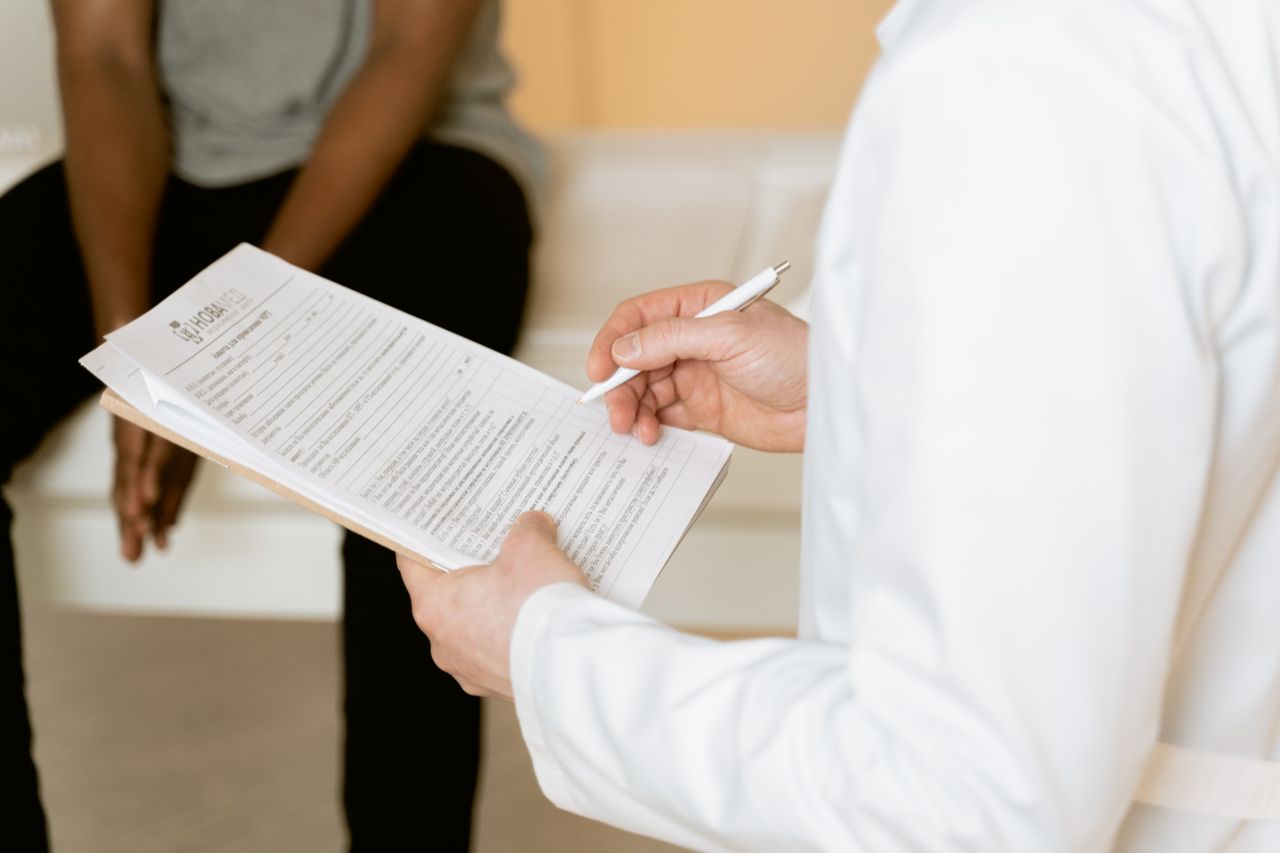
A study led by University College London found that involving a patient's family and friends in mental health treatment makes psychiatric hospital admissions three times less likely. The research evaluated 'Open Dialogue,' a care model that focuses on patient priorities and consistent clinical teams, across five NHS trust areas. While the approach did not prevent relapses, patients reported higher quality of life and shorter hospital stays when admission was necessary.
The Open Dialogue Approach
Open Dialogue, originally developed in Finland in the 1980s, centers on regular 'network meetings.' These sessions include the patient, two practitioners, and the patient's support network, such as family, friends, or colleagues. The meetings facilitate open conversations about the patient's feelings and desired support, allowing the network to contribute observations and remain involved in the recovery process.
Study Findings and Clinical Perspectives
The trial involved 500 patients in crisis, comparing Open Dialogue to traditional treatment. Researchers observed no significant difference in relapse rates between the two groups. However, those in the Open Dialogue group who required hospitalization spent half the time in inpatient care on average compared to the control group. Dr. Russell Razzaque, the trial's clinical lead, noted that the model could reduce costs by decreasing reliance on expensive inpatient beds. Some experts remain cautious. Consultant psychiatrist Dr. Sameer Jauhar suggested that the observed benefits might stem from the extra resources allocated to the trial rather than the specific elements of Open Dialogue, noting that further research is required to determine if the model provides advantages beyond well-staffed community care.
Advertisement
This article was independently rewritten by ManyPress editorial AI from reporting originally published by BBC Health.